Introduction
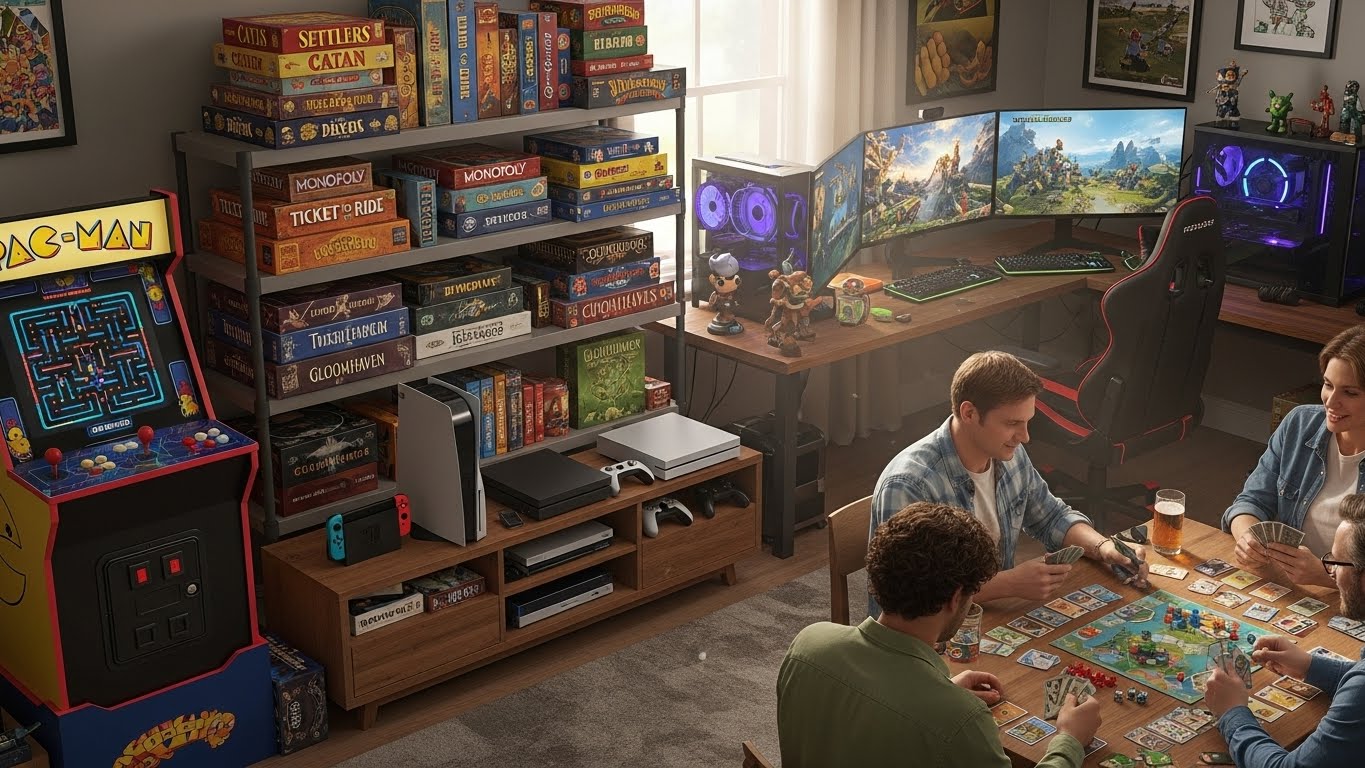
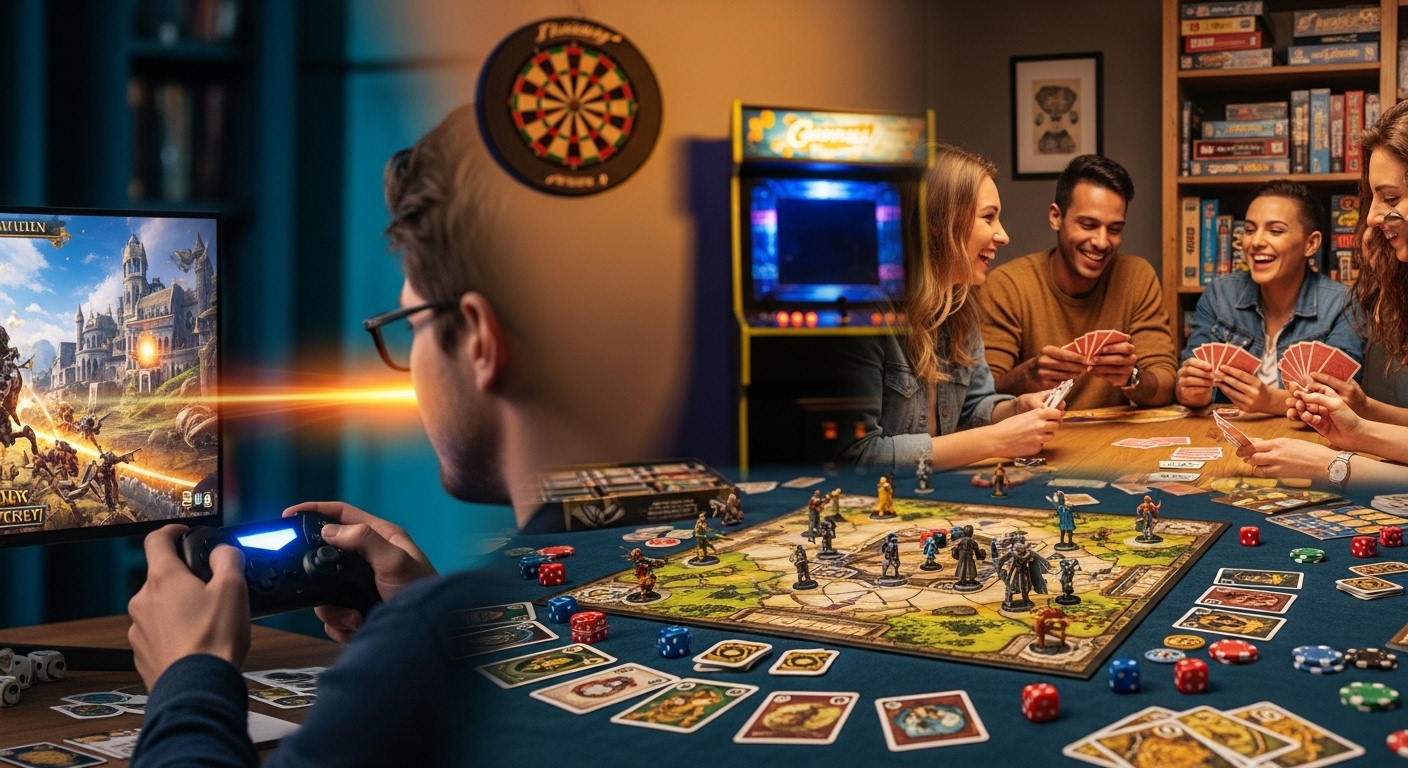
Games have become an inseparable part of human life, evolving from simple play to complex digital experiences that define modern entertainment. What began as a form of recreation has transformed into a multi-dimensional world of creativity, learning, and connection. Whether digital or physical, games hold the power to engage our emotions, challenge our intellect, and unite people from across the globe. In today’s world, games are no longer confined to consoles or computers; they are cultural phenomena, economic powerhouses, and tools for innovation. This blog explores the evolution of games, their impact on society, and how they continue to shape the future.
The Origins of Gaming
The story of games is as old as human civilization itself. Ancient cultures created games as forms of storytelling, strategy, and competition. The earliest known board games, such as Senet in ancient Egypt and Go in China, were not just entertainment—they reflected philosophy, spirituality, and intellect. These games taught lessons about patience, foresight, and human interaction.
When technology entered the picture, gaming evolved rapidly. The 20th century introduced video games that captured the imagination of a new generation. Early creations like Pong, Tetris, and Pac-Man laid the foundation for the vast industry that exists today. As computers became more powerful, developers began exploring complex gameplay mechanics, visual storytelling, and interactive experiences that could engage people emotionally as well as mentally.
The Rise of Digital Gaming
The digital revolution changed everything about how people played. Consoles like the Atari, Nintendo Entertainment System, and PlayStation redefined entertainment for families and individuals alike. Games were no longer simple diversions; they became stories, challenges, and worlds to explore.
The 1990s marked a major leap with the introduction of 3D graphics and immersive gameplay. Players could now step into virtual environments that felt alive. This was followed by the rise of the internet, which introduced online multiplayer gaming—a concept that revolutionized how players interacted. No longer limited to local opponents, people could now connect, compete, and cooperate with others across the world.
From simple pixelated adventures to lifelike simulations, digital gaming began to blend art and technology seamlessly. The result was an entirely new form of entertainment—one that engaged multiple senses and emotions simultaneously.
The Evolution of Game Design
Game design has come a long way from basic mechanics to intricate storytelling and open-world experiences. Modern games are carefully crafted works of art, involving thousands of creative minds working together. Artists design worlds filled with detail, programmers create responsive systems, and writers build stories that resonate deeply with players.
Games like The Legend of Zelda, God of War, and Red Dead Redemption showcase how design and narrative can merge to create unforgettable journeys. Each level, challenge, and dialogue choice serves a purpose in drawing the player deeper into the experience.
Even mobile games have adopted these sophisticated principles. What once were quick distractions have become elaborate worlds with depth, strategy, and creativity. The accessibility of mobile platforms has also allowed gaming to reach billions of people worldwide, making it one of the most inclusive entertainment mediums in history.
Games as a Reflection of Society
Games often mirror the society in which they are created. They reflect our hopes, fears, and aspirations. Historical games allow players to explore past civilizations, while futuristic ones imagine possible worlds ahead. Through gameplay, players experience moral choices, empathy, and human emotion.
For example, strategy games teach planning and resource management, while narrative-driven games evoke reflection on complex topics like justice, survival, and human relationships. Games are no longer just about winning or losing—they are about understanding perspectives, building connections, and exploring possibilities.
In many ways, games have become interactive art forms that express the human condition. They let us explore scenarios that might be impossible in real life, giving players the ability to imagine, create, and reflect.
The Psychology of Gaming
The psychological appeal of gaming lies in its ability to challenge and reward. Games activate the brain’s reward systems by providing goals, achievements, and feedback. Every completed mission or solved puzzle gives players a sense of accomplishment. This feeling of progress fuels motivation and engagement.
Beyond fun, games offer emotional and mental benefits. They enhance cognitive functions like memory, attention, and problem-solving. Strategy games sharpen decision-making skills, while puzzle games improve logical thinking. Multiplayer games, on the other hand, strengthen communication and teamwork.
However, balance is key. Just as games can enhance mental abilities, excessive play can lead to fatigue or addiction. Healthy gaming habits ensure that the experience remains enriching and positive.
The Cultural Power of Games
Today, games influence culture on a global scale. They inspire movies, music, fashion, and even language. Iconic characters such as Mario, Lara Croft, and Master Chief are recognized worldwide. Gaming conventions, fan art, and cosplay events bring millions together, celebrating the creativity and passion of the gaming community.
Games have also become platforms for storytelling that rival traditional cinema. Titles like The Last of Us and Horizon Zero Dawn use narrative and emotion to connect deeply with players, making them reflect on real-world issues through virtual experiences.
The growth of streaming and social platforms has further expanded gaming culture. Millions of people now watch others play games, turning gaming into a shared spectacle rather than a solitary activity. This shift has created new celebrities, industries, and communities that thrive on creativity and interaction.
The Educational Value of Games
Games are no longer confined to entertainment—they have entered classrooms and workplaces as tools for learning and development. Educational games teach complex subjects through engagement and interaction. Instead of passively absorbing information, players learn by doing, which enhances understanding and retention.
Simulation games allow players to experience real-world systems, from city management to flying aircraft. These experiences provide insight into problem-solving, leadership, and strategic thinking.
Additionally, gamified learning systems are being used in schools and corporations to make education and training more enjoyable. They encourage participation and creativity while rewarding progress, fostering an environment of active learning.
The Economic Impact of the Gaming Industry
The gaming industry is one of the largest entertainment sectors globally, generating billions in revenue every year. It surpasses both film and music industries combined. The success of gaming comes from its ability to adapt, innovate, and reach diverse audiences.
From major studios to independent developers, game creation has become more accessible thanks to modern tools and digital platforms. Indie games have shown that creativity can triumph over budget, giving rise to masterpieces developed by small teams with big ideas.
Monetization models have also evolved. Instead of one-time purchases, many games now use in-game purchases, downloadable content, and seasonal updates to keep players engaged. Subscription services have introduced libraries of games for affordable prices, giving players unlimited access and variety.
This economic success has also led to job creation across multiple disciplines—art, music, programming, marketing, and psychology—making gaming one of the most dynamic industries of the modern era.
The Social Side of Gaming
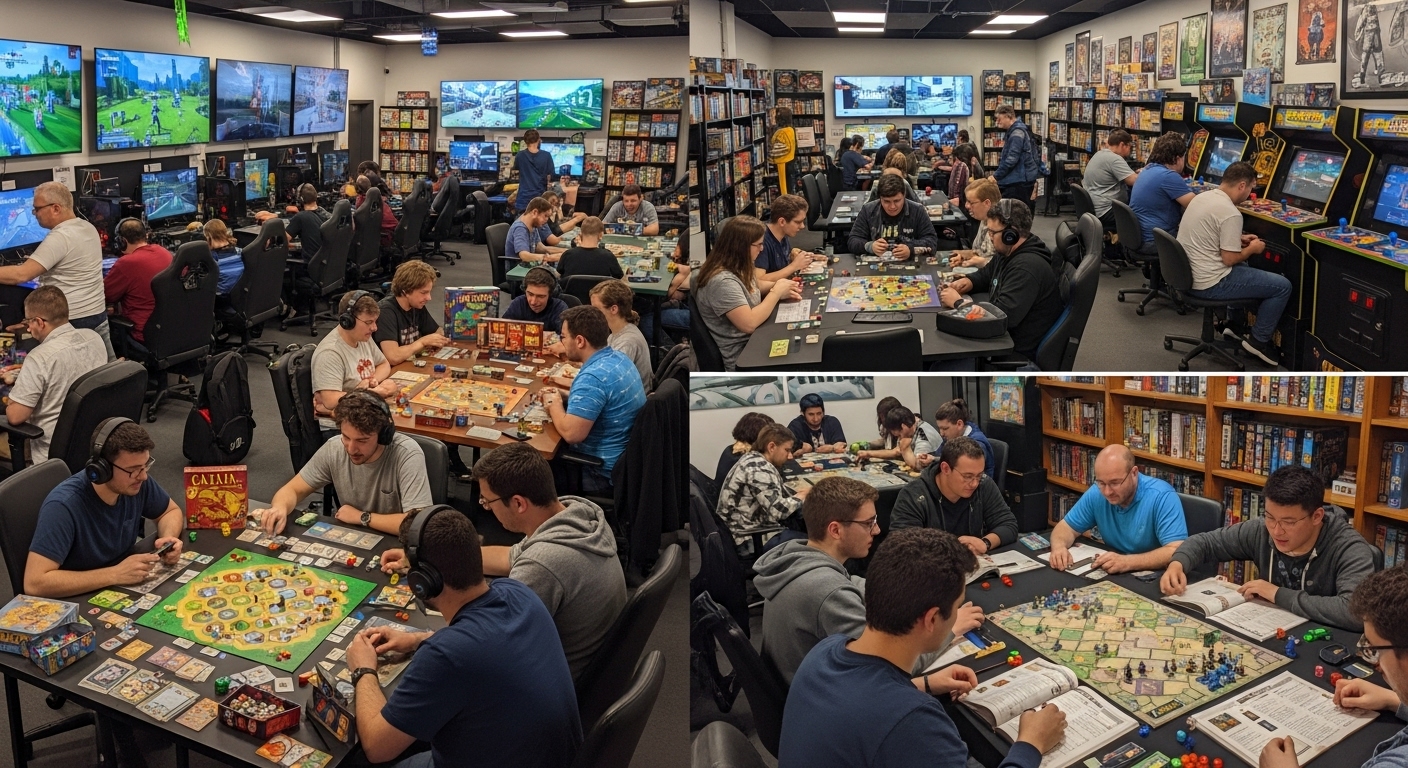
Gaming is no longer a solitary activity. Online platforms have turned games into social spaces where friendships are formed, communities are built, and collaborations are nurtured. Players across continents can communicate, strategize, and share experiences in real time.
Cooperative gameplay teaches teamwork, leadership, and communication. In multiplayer games, success often depends on how well players work together rather than individual skill. This collaborative aspect has made gaming an important social experience for many.
Moreover, gaming communities have proven to be supportive and inclusive spaces where players can find belonging. They provide forums for creativity, discussion, and mutual encouragement, reinforcing the idea that games are a bridge that connects people.
Games and Technology: A Symbiotic Relationship
Technology and gaming fuel each other’s growth. Each innovation in computing power, graphics, and connectivity pushes gaming to new heights. Likewise, gaming drives demand for better hardware and software solutions.
The introduction of virtual reality and augmented reality has opened doors to fully immersive experiences. Players can now step into virtual worlds that feel tangible and interactive. Artificial intelligence enhances gameplay by creating adaptive and responsive environments.
Cloud gaming, which allows players to stream games without high-end hardware, is making gaming more accessible than ever. This synergy between technology and gaming ensures that the medium will continue to evolve and surprise us.
The Future of Gaming
The future of gaming is boundless. As technology advances, games will continue to break barriers between reality and imagination. Artificial intelligence will create smarter, more responsive virtual worlds. Virtual reality will grow more immersive, allowing players to live entire experiences rather than merely observe them.
Cross-platform play will eliminate the boundaries between devices, uniting players across consoles, PCs, and mobile systems. Developers will continue to experiment with storytelling, blending interactive elements with emotional depth to create experiences that touch the soul.
Inclusivity will be a key focus of gaming’s future. Developers are working to make games accessible to everyone, regardless of ability or background. Games will also play a vital role in education, therapy, and innovation, proving that play is one of the most powerful human tools for growth.
Conclusion
Games have traveled a long path from ancient boards to immersive digital universes. They entertain, educate, inspire, and connect people in ways that few other mediums can. More than just a pastime, games are reflections of creativity, technology, and human emotion.
As the industry grows and technology evolves, the world of games will continue to expand its influence. It will shape cultures, challenge minds, and redefine how we learn and connect. Gaming is not merely about playing—it is about imagining, experiencing, and evolving.
The journey of games is a story of innovation and passion, proving that play is not only for leisure but for life itself. The future of games holds limitless potential, and as long as curiosity drives humanity, games will remain one of our greatest creative frontiers.