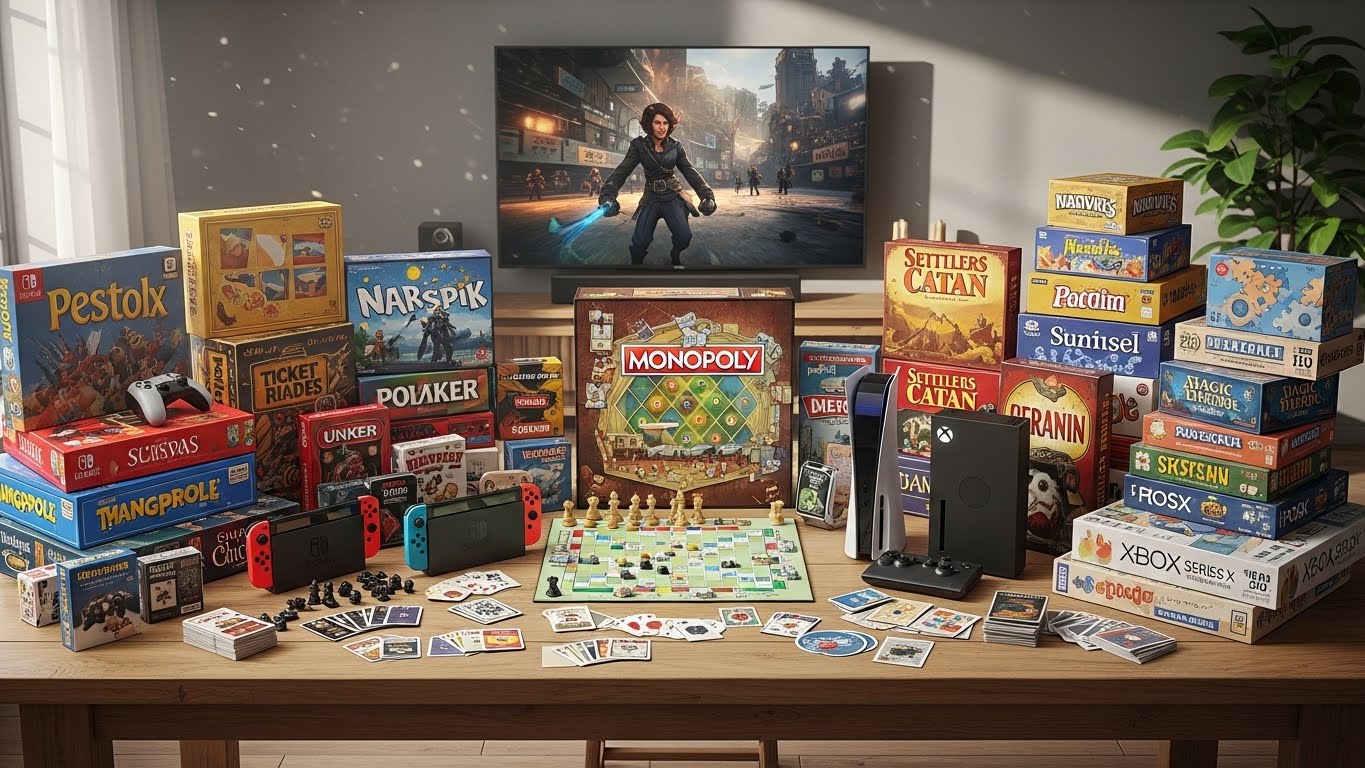
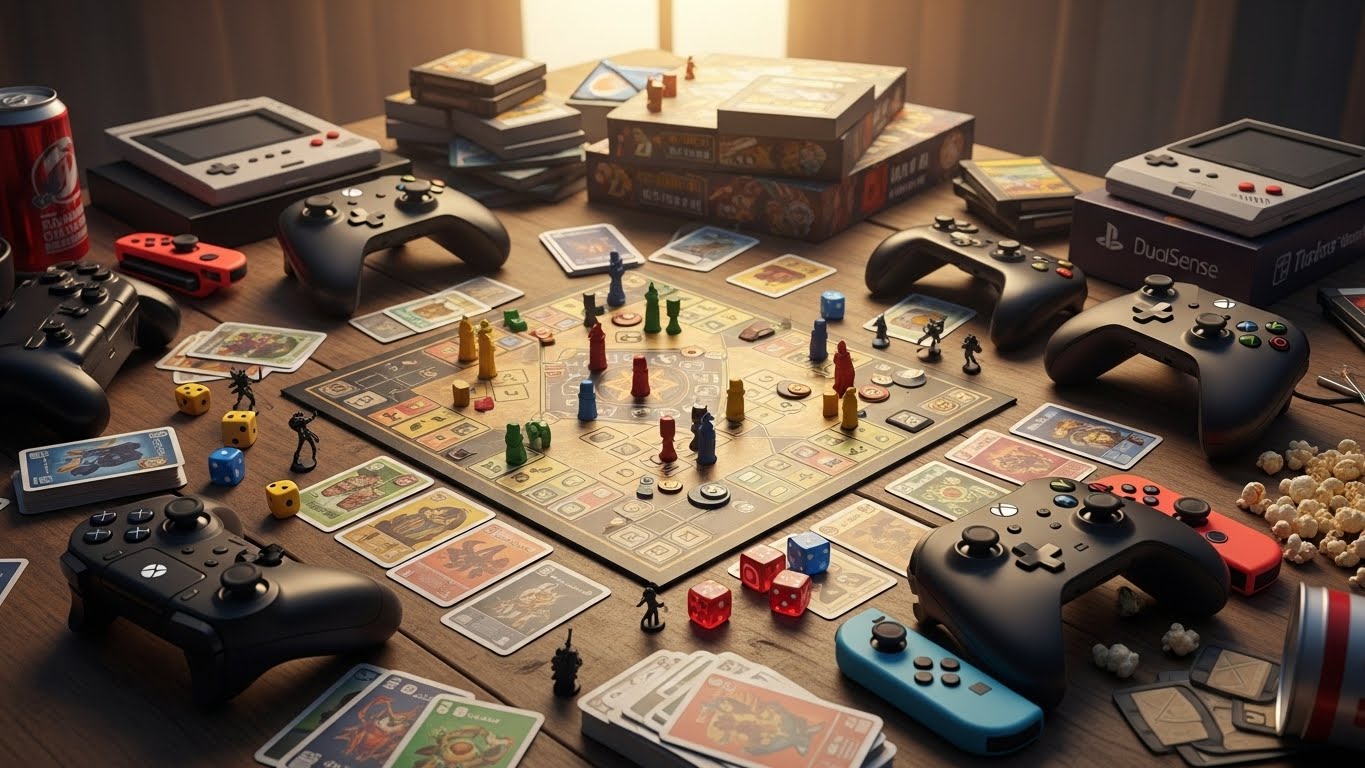
Games have always been a crucial part of human culture, serving as a source of entertainment, learning, and social interaction. From the simple board games of ancient civilizations to the vast, interactive worlds of modern video games, the way we play has evolved immensely. In this blog post, we will explore the fascinating history of games, how technology has reshaped the gaming industry, and what the future holds for gamers worldwide.
The Humble Beginnings: Games as Ancient Entertainment
Long before the rise of modern video games, humans enjoyed various forms of entertainment through games. The earliest known board game, Senet, dates back to around 3100 BCE in ancient Egypt. Other ancient civilizations, including the Greeks and Romans, had their own games, such as Petteia (a strategy game) and Ludus Latrunculorum (a form of chess). These games often had elements of strategy and competition, mirroring many aspects of the games we enjoy today.
In the centuries that followed, games became a way for people to socialize, pass the time, and even reflect on their societies’ values. For example, the game of chess, which originated in India around the 6th century, has long been considered a game of strategy and intellect. The variety of ancient games demonstrates that the desire for competition, strategy, and entertainment has been ingrained in human culture for thousands of years.
The Birth of Video Games: The 1950s to 1970s
The dawn of the video game era began in the mid-20th century. The earliest video games were simple and experimental, reflecting the limited technology of the time. In 1952, OXO, a rudimentary version of tic-tac-toe, was created by A.S. Douglas as part of his Ph.D. thesis. This marked one of the first instances of a computer-based game. But it wasn’t until 1958 that Tennis for Two, developed by physicist William Higinbotham, offered an interactive game experience on a screen.
In 1972, the first commercially successful video game, Pong, was released by Atari. This simple ping-pong simulation game became a massive hit in arcades, offering a new form of entertainment that didn’t require physical pieces or complex setups. Pong was followed by other arcade classics like Space Invaders and Pac-Man, which solidified the idea that video games could provide an immersive, interactive experience that was fun, competitive, and social.
The Golden Age of Arcade Games: The 1980s
The 1980s were a defining period for the gaming industry. The rise of arcade games brought video games into the mainstream, and millions of people flocked to arcades to play games. Titles like Donkey Kong, Ms. Pac-Man, and Galaga became pop-culture icons, while companies like Atari, Nintendo, and Sega emerged as major players in the industry.
The 1980s also saw the birth of home consoles, with systems like the Nintendo Entertainment System (NES) and the Sega Master System making gaming more accessible to households. Home consoles allowed people to play games in the comfort of their own homes, and franchises like Super Mario Bros., The Legend of Zelda, and Metroid began to emerge, creating the foundations for some of the most beloved franchises in gaming history.
One of the most important developments of this era was the evolution of game design. With the growing complexity of games, developers began to experiment with more advanced mechanics, better graphics, and immersive storylines. By the end of the decade, gaming had become a major cultural phenomenon, and the industry’s potential was beginning to be fully realized.
The Rise of 3D Graphics and the Birth of Modern Gaming: 1990s to Early 2000s
The 1990s marked a major turning point in the world of gaming, with the advent of 3D graphics and more powerful gaming systems. The launch of consoles like the Sony PlayStation, Sega Saturn, and Nintendo 64 introduced gamers to three-dimensional worlds, providing new possibilities for game design. Super Mario 64, The Legend of Zelda: Ocarina of Time, and Final Fantasy VII were among the groundbreaking titles that showcased the capabilities of these new systems.
The transition to 3D allowed for richer, more expansive game worlds, which made exploration, immersion, and storytelling more important than ever. Titles like The Elder Scrolls III: Morrowind and Grand Theft Auto III took players into sprawling open worlds where they could live out virtual lives, exploring cities, solving quests, and interacting with NPCs in ways never before possible.
The 1990s and early 2000s also saw the rise of the first-person shooter (FPS) genre, thanks to games like Doom, Quake, and GoldenEye 007. These games introduced fast-paced action, multiplayer modes, and competitive play, making FPS a dominant genre in the industry. Online gaming also began to take off in this era, with games like Diablo and Warcraft leading the charge in connecting players over the internet for cooperative and competitive experiences.
The Rise of Online Gaming and Mobile Platforms: 2000s to Present
In the 2000s, the gaming world expanded even further with the growth of online gaming and the rise of mobile platforms. The internet revolutionized how people played games, with massively multiplayer online games (MMOs) like World of Warcraft and EVE Online allowing thousands of players to interact in shared virtual worlds. These games created rich, persistent environments that required long-term commitment and social interaction, blurring the lines between gaming and social networking.
At the same time, the explosion of mobile gaming began to reshape the industry. The introduction of smartphones like the iPhone opened up a whole new frontier for gaming, enabling developers to create simple yet addictive games that could be played anywhere. Titles like Angry Birds, Candy Crush Saga, and Clash of Clans dominated mobile gaming, making games accessible to a broader audience and proving that gaming didn’t have to be confined to consoles or PCs.
The rise of digital distribution platforms like Steam, PlayStation Network, and Xbox Live further altered the way games were sold and consumed. Players could now purchase and download games directly to their consoles or PCs, eliminating the need for physical media and allowing for instant access to an almost unlimited library of titles.
Additionally, the expansion of esports turned gaming into a global competitive phenomenon. Professional players, teams, and organizations began competing for large cash prizes in games like League of Legends, Counter-Strike, and Dota 2. Esports have since become a multibillion-dollar industry, with events attracting millions of viewers both online and in person.
Virtual Reality and Augmented Reality: The Next Frontier of Gaming
As technology continues to advance, virtual reality (VR) and augmented reality (AR) are emerging as the next big thing in gaming. VR headsets like the Oculus Rift, HTC Vive, and PlayStation VR offer players fully immersive experiences, allowing them to step inside virtual worlds and interact with their surroundings in ways that were previously unimaginable.
Games like Beat Saber, Half-Life: Alyx, and VRChat showcase the potential of VR, providing players with new forms of gameplay that involve physical movement and complete immersion. VR is also opening up opportunities for new genres of games, including fitness games, educational simulations, and interactive storytelling experiences.
On the other hand, augmented reality, as seen in games like Pokémon Go, allows players to interact with the real world in unique ways. AR blends digital elements with physical spaces, creating games that encourage players to explore their surroundings and engage with the environment in real time.
The future of VR and AR gaming looks incredibly promising. As the technology improves, we can expect even more sophisticated and immersive experiences, with full-body motion tracking, haptic feedback, and even advanced AI-driven interactions that make virtual worlds feel even more lifelike.
The Social Aspect of Gaming: Communities, Streaming, and Content Creation
While gaming was once seen as a solitary activity, it has increasingly become a social one. Multiplayer games, social gaming platforms, and live streaming have all played a huge role in transforming how people interact with games. Games like Fortnite, Minecraft, and Apex Legends bring players together to collaborate, compete, and socialize in virtual spaces.
Streaming platforms like Twitch and YouTube Gaming have allowed players to broadcast their gameplay to a global audience. This has led to the rise of gaming influencers, who attract millions of viewers and create communities around their content. The streaming culture has made gaming more interactive, as fans can engage with their favorite streamers in real time through chats, donations, and even multiplayer participation.
Additionally, platforms like Discord have allowed gamers to build communities, share experiences, and collaborate across different games and genres. These platforms have created vibrant spaces where players can not only game but also form friendships, share tips, and discuss their favorite games.
The Future of Gaming: What’s Next?
As technology continues to evolve, the future of gaming looks incredibly exciting. Advancements in artificial intelligence (AI), machine learning, and cloud gaming are expected to revolutionize the gaming industry. AI-driven NPCs, for example, could create more realistic and dynamic game worlds, while cloud gaming platforms like Google Stadia and NVIDIA GeForce Now may eliminate the need for expensive hardware, allowing players to stream high-quality games directly to any device.
Additionally, the gaming industry is likely to become even more integrated into other forms of entertainment, such as film, television, and virtual reality. With the rise of interactive movies and TV shows, the line between gaming and storytelling may continue to blur, allowing for more personalized and immersive experiences.