
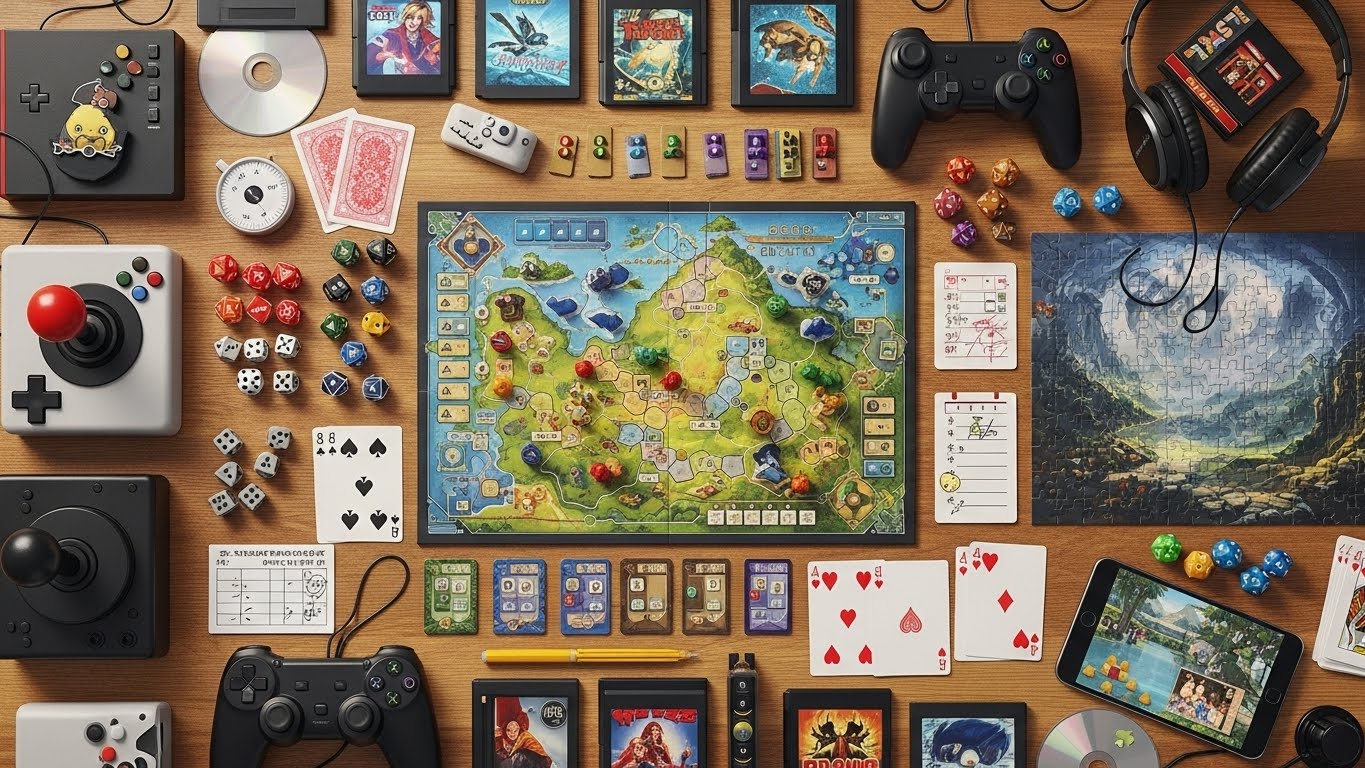
Video games are no longer just a pastime for the young or an occasional diversion for adults; they have evolved into one of the most influential and lucrative forms of entertainment in the world. With millions of people of all ages playing games across various platforms, it’s hard to ignore the profound impact video games have had on culture, technology, and social interaction. In this blog post, we will explore the fascinating history of video games, the current trends driving the industry, and the future possibilities for gaming.
The Origins of Video Games: A Humble Beginning
The history of video games dates back to the early 1950s, when they were first conceived in academic settings and research laboratories. The very first video game, Tennis for Two, was created by physicist William Higinbotham in 1958 as a demonstration for visitors at the Brookhaven National Laboratory. While not the commercial sensation we think of today, it marked the beginning of a technological journey that would change the entertainment world forever.
However, it wasn’t until the 1970s that video games began to emerge into the public sphere. In 1972, Atari released Pong, one of the first commercially successful arcade games. Pong introduced many people to the concept of gaming, with its simple but addictive gameplay centered around two paddles bouncing a ball back and forth. This laid the foundation for the arcade boom that followed, and arcade gaming became a massive social activity.
By the late 1970s and early 1980s, home consoles like the Atari 2600 and the Nintendo Entertainment System (NES) began to bring video games into the home. The early gaming experience was largely shaped by 2D, pixel-based graphics and relatively simple gameplay mechanics, but these early games laid the groundwork for the rich and varied gaming experiences we enjoy today.
The Rise of 3D Graphics and the Golden Age of Gaming
The 1990s marked a major turning point for video games with the introduction of 3D graphics and more complex storytelling. This era also saw the arrival of iconic gaming consoles like Sony’s PlayStation and the Nintendo 64, which ushered in a new generation of gaming. These consoles enabled developers to create fully immersive 3D worlds, bringing a level of realism to games that was previously unimaginable.
The early 3D games such as Super Mario 64, The Legend of Zelda: Ocarina of Time, and Final Fantasy VII showcased how video games could be more than just simple entertainment; they could tell compelling stories, create vast virtual worlds, and engage players in new ways. These games were no longer confined to simple mechanics or static images—they were full-fledged experiences that rivaled movies and books in terms of narrative depth and emotional engagement.
The 1990s also saw the explosion of the PC gaming market, with the release of landmark titles like Warcraft, Starcraft, Doom, and Quake. These games not only introduced online multiplayer modes, but also spurred the development of a global gaming community. The rise of the internet allowed players from around the world to connect and compete against each other, laying the groundwork for the competitive esports scene we know today.
The Evolution of Game Genres: More Than Just Action and Adventure
While early video games were often limited to a few genres, today’s gaming landscape is a diverse and expansive ecosystem with something for everyone. As technology advanced, so did the complexity and variety of video game genres. Here’s a look at some of the most popular genres that have emerged over the years:
1. Action and Adventure Games
The action and adventure genre is arguably the cornerstone of gaming. These games often focus on exploration, puzzle-solving, and combat. Titles like The Legend of Zelda, Uncharted, and Tomb Raider fall under this category. They combine elements of storytelling with action-oriented gameplay to deliver immersive experiences that keep players coming back for more.
2. Role-Playing Games (RPGs)
RPGs have become one of the most beloved genres in the gaming world, thanks to their intricate storylines, character development, and often vast open worlds. Games like The Elder Scrolls V: Skyrim, Mass Effect, and Final Fantasy offer players the chance to step into the shoes of a character and make decisions that shape the world around them. The focus on narrative and player choice has made RPGs some of the most critically acclaimed titles of all time.
3. First-Person and Third-Person Shooters
The first-person shooter (FPS) genre revolutionized gaming in the mid-90s, with titles like Doom and GoldenEye 007. These games allowed players to experience combat from a first-person perspective, putting them in the action in a way that had never been done before. Over time, the genre evolved with the rise of online multiplayer modes, most notably with games like Call of Duty and Halo.
Third-person shooters, such as Gears of War and The Last of Us, brought the camera behind the character, offering players a broader view of the environment and adding a new level of tactical gameplay.
4. Strategy and Simulation Games
For players who prefer mental challenges over fast-paced action, strategy games offer a rewarding experience. Titles like Starcraft, Age of Empires, and Civilization demand careful planning and resource management. Simulation games like The Sims or SimCity allow players to create and manage complex worlds, providing a sense of control and creativity that appeals to many.
5. Sports and Racing Games
Sports games, such as FIFA, NBA 2K, and Madden NFL, have been popular for decades, allowing players to simulate real-world sports in a digital space. Racing games like Gran Turismo and Mario Kart offer fast-paced, adrenaline-pumping action and are staples of competitive gaming.
6. Indie Games and Art Games
In recent years, indie games have become a prominent force in the industry, thanks to platforms like Steam and the rise of crowdfunding. Indie games often focus on creative, experimental gameplay and storytelling, and have garnered massive critical acclaim. Titles like Hollow Knight, Undertale, and Celeste offer unique experiences that push the boundaries of traditional gaming.
The Rise of Online Gaming and Esports
One of the most significant developments in the gaming world has been the rise of online gaming and esports. While early games were primarily played in isolation, the advent of the internet allowed players to connect with others in real-time, opening up a whole new world of competitive play.
Massively multiplayer online role-playing games (MMORPGs) like World of Warcraft and Final Fantasy XIV allow thousands of players to interact in a shared virtual world. These games are built around community, collaboration, and often require players to work together to complete challenges, quests, and dungeons. The social aspect of these games has made them incredibly popular, with many players spending years immersed in these digital universes.
The rise of competitive gaming, or esports, has brought gaming into the realm of professional sports. Tournaments for games like League of Legends, Dota 2, and Counter-Strike: Global Offensive now attract millions of viewers worldwide. Esports athletes train for hours a day, competing for massive cash prizes and global recognition. The emergence of esports has not only transformed gaming into a spectator sport but has also led to the establishment of gaming organizations, sponsors, and even college esports programs.
The Future of Gaming: Virtual Reality, AI, and Beyond
Looking ahead, the future of gaming is filled with exciting possibilities. Virtual reality (VR) is already starting to transform how we experience games, offering a fully immersive environment where players can interact with the game world in ways previously thought impossible. Games like Beat Saber and Half-Life: Alyx have shown the potential of VR, and as the technology improves, we can expect even more innovative and immersive experiences.
Artificial intelligence (AI) will also play a major role in the future of gaming. Developers are already using AI to create more realistic NPCs (non-playable characters) that can react to players’ actions in unpredictable ways. AI can also be used to generate content dynamically, creating ever-changing game worlds that respond to player input.
Cloud gaming, powered by platforms like Google Stadia and Xbox Cloud Gaming, could make gaming more accessible by eliminating the need for expensive hardware. Players could stream high-quality games directly to their devices, leveling the playing field and allowing anyone with an internet connection to experience cutting-edge titles.
Conclusion: The Enduring Appeal of Video Games
The gaming industry has come a long way since the days of Pong and Pac-Man. Today, video games are a central part of our culture, offering rich, immersive experiences that entertain, educate, and bring people together. The diversity of genres, the growth of online communities, and the rise of esports have all contributed to making gaming a global phenomenon.
As technology continues to advance, we can expect gaming to evolve in ways we can only imagine. Whether through VR, AI, or cloud gaming, the future promises even more exciting opportunities for gamers and developers alike. What remains constant, however, is the unique ability of video games to engage and inspire, providing a form of entertainment that is as diverse as its audience. From casual players to professional gamers, video games will continue to be an integral part of the entertainment landscape for generations to come.