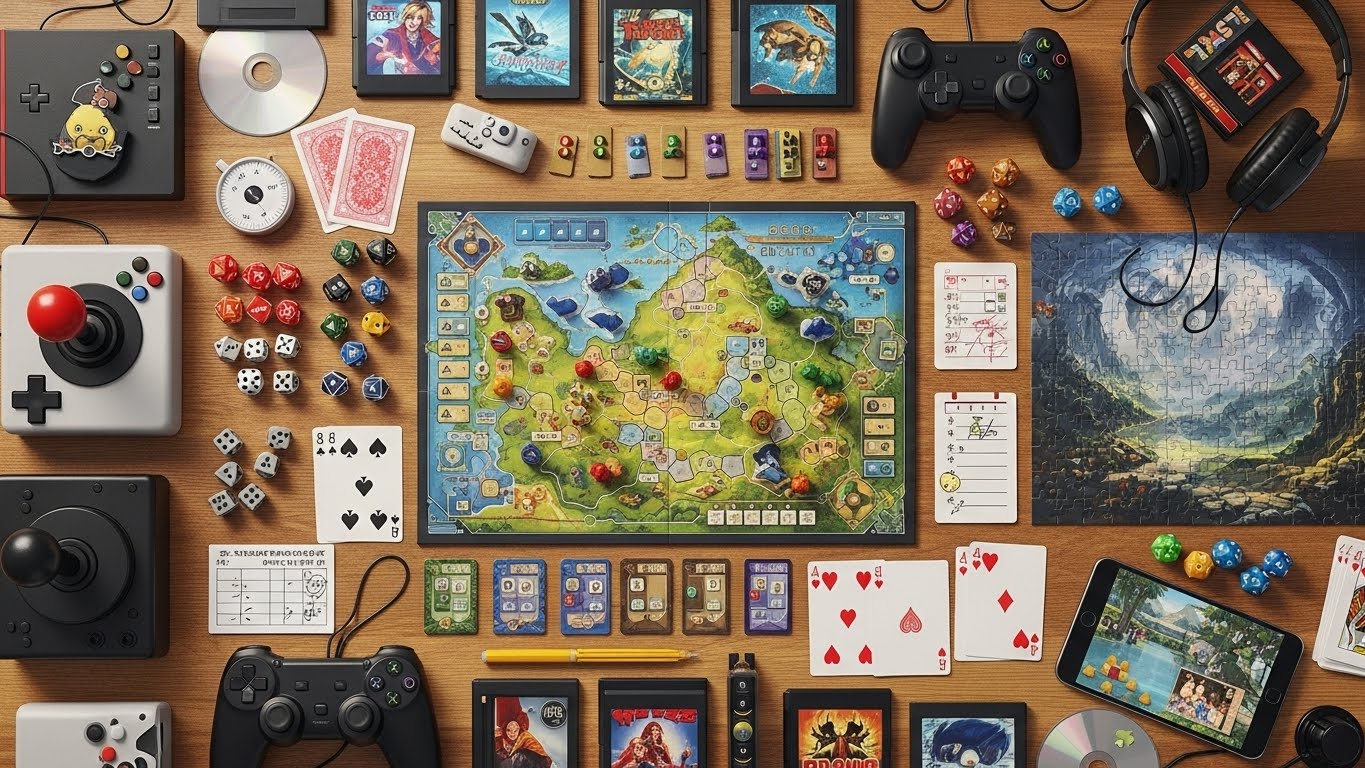
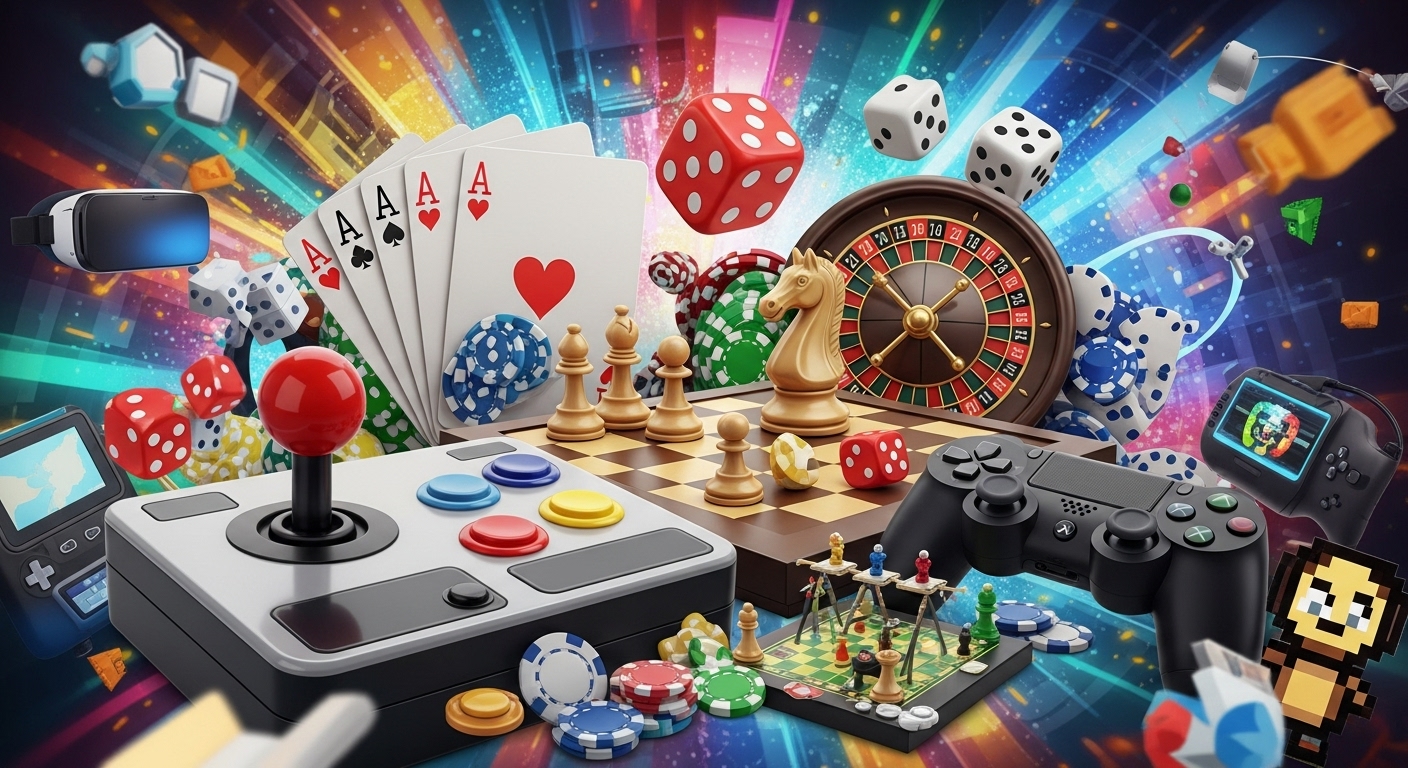
Games have been an integral part of human culture for centuries. From traditional board games to immersive digital experiences, they offer entertainment, challenge, and a unique way to connect with others. In today’s fast-paced world, the gaming industry has evolved into a multi-billion-dollar sector, captivating millions of players across the globe. This article explores the fascinating universe of games, their benefits, and the innovations shaping their future.
The Essence of Games
At its core, a game is more than just fun. It is a structured form of play that challenges the mind, tests skills, and often tells a story. Games can be physical, like sports and outdoor challenges, or digital, like video games and mobile apps. Regardless of the format, they share common elements such as objectives, rules, and rewards, which provide players with a sense of accomplishment.
Games also encourage problem-solving, strategy, and creativity. Whether solving a puzzle, building virtual worlds, or competing in a team sport, players engage both cognitively and emotionally, making gaming an enriching activity.
The Rise of Digital Gaming
The advent of technology has transformed the way we play. Video games, mobile games, and online multiplayer platforms have made gaming more accessible than ever. Modern games offer intricate storylines, realistic graphics, and interactive worlds that immerse players in new experiences.
Online multiplayer games have also created global communities where players can connect, compete, and collaborate in real time. These platforms have turned gaming into a social experience, breaking geographical barriers and fostering friendships worldwide.
Popular Types of Games
Games come in various forms, each catering to different interests and skills:
- Video Games: These range from action-packed adventures to strategic role-playing games that require careful planning and decision-making.
- Board Games: Classic and modern board games encourage critical thinking, collaboration, and social interaction.
- Mobile Games: Convenient and portable, mobile games provide entertainment on the go with short, engaging gameplay.
- Sports and Physical Games: From football to chess, physical and mental sports promote health, discipline, and teamwork.
Each type of game offers unique experiences, allowing players to choose according to their preferences and lifestyle.
Benefits of Gaming
Beyond entertainment, gaming offers several cognitive, social, and emotional benefits. It can improve hand-eye coordination, enhance memory, and boost problem-solving skills. Multiplayer and team-based games encourage collaboration, communication, and leadership abilities.
Games can also serve as stress relievers. Immersive gameplay provides a mental escape, helping players relax and recharge. Additionally, the sense of achievement from completing challenges or leveling up builds confidence and motivation.
Challenges in the Gaming World
While gaming has numerous benefits, excessive or uncontrolled play can lead to negative consequences. Gaming addiction, social isolation, and disrupted sleep patterns are common concerns. Responsible gaming practices, including time management and balanced engagement, are essential for maintaining a healthy relationship with games.
Game developers also face the challenge of creating inclusive and diverse content that appeals to a broad audience. Representation, accessibility, and fair design are becoming increasingly important in the industry.
Innovations Shaping the Future
The future of gaming promises even more exciting developments. Virtual reality (VR) and augmented reality (AR) are creating immersive experiences that blend the physical and digital worlds. Artificial intelligence is enhancing game design, offering adaptive challenges and smarter non-player characters.
Cloud gaming and streaming technologies are also transforming access, allowing players to enjoy high-quality games without expensive hardware. These innovations continue to redefine what games can be, pushing the boundaries of imagination and interaction.
Conclusion
Games are far more than simple pastimes—they are dynamic experiences that challenge, entertain, and connect people. From traditional board games to futuristic VR adventures, the world of games continues to evolve, reflecting both technological advancements and human creativity. As the gaming landscape expands, it offers endless opportunities for learning, engagement, and joy, making games an enduring part of our culture and daily lives.