Introduction: The Universal Language of Play
Games have existed since the dawn of civilization. From ancient board games carved into stone tablets to complex virtual worlds that millions explore daily, games are a universal form of human expression. They cross cultures, languages, and generations, binding people through play, strategy, and imagination. Whether it’s a child playing hide and seek in a backyard, a family gathered around a card table, or a team competing in a global esports tournament, games represent more than entertainment—they are a reflection of human creativity, learning, and connection.
In every culture and era, games have evolved alongside people, adapting to new tools and technologies. What began as simple forms of recreation has now expanded into vast industries, with digital gaming alone shaping economies and influencing art, technology, and even education. To understand games is to understand one of the most enduring and evolving aspects of human life.
The Origins of Play: Where It All Began
Long before the modern concept of video games existed, humans played to learn and to connect. Ancient Egyptians played Senet, a board game that symbolized the journey of the soul. The Chinese created Go, one of the oldest strategic games still played today, emphasizing balance and forethought. Even dice, one of the simplest game tools, date back thousands of years.
Games were not merely for entertainment. They often carried spiritual, educational, or social meanings. They were ways to teach children about hunting, logic, or cooperation. They helped societies simulate battles, prepare for challenges, or celebrate rituals. In a sense, games have always been practice grounds for life itself—spaces where failure was safe, experimentation was encouraged, and learning was inevitable.
As societies grew and communication improved, games spread and diversified. Card games appeared in medieval Asia, sports like soccer and cricket developed in Europe, and storytelling games emerged in native cultures across the world. Every generation added something new, but the purpose remained constant: to play, to connect, and to express.
The Evolution of Games Through the Ages
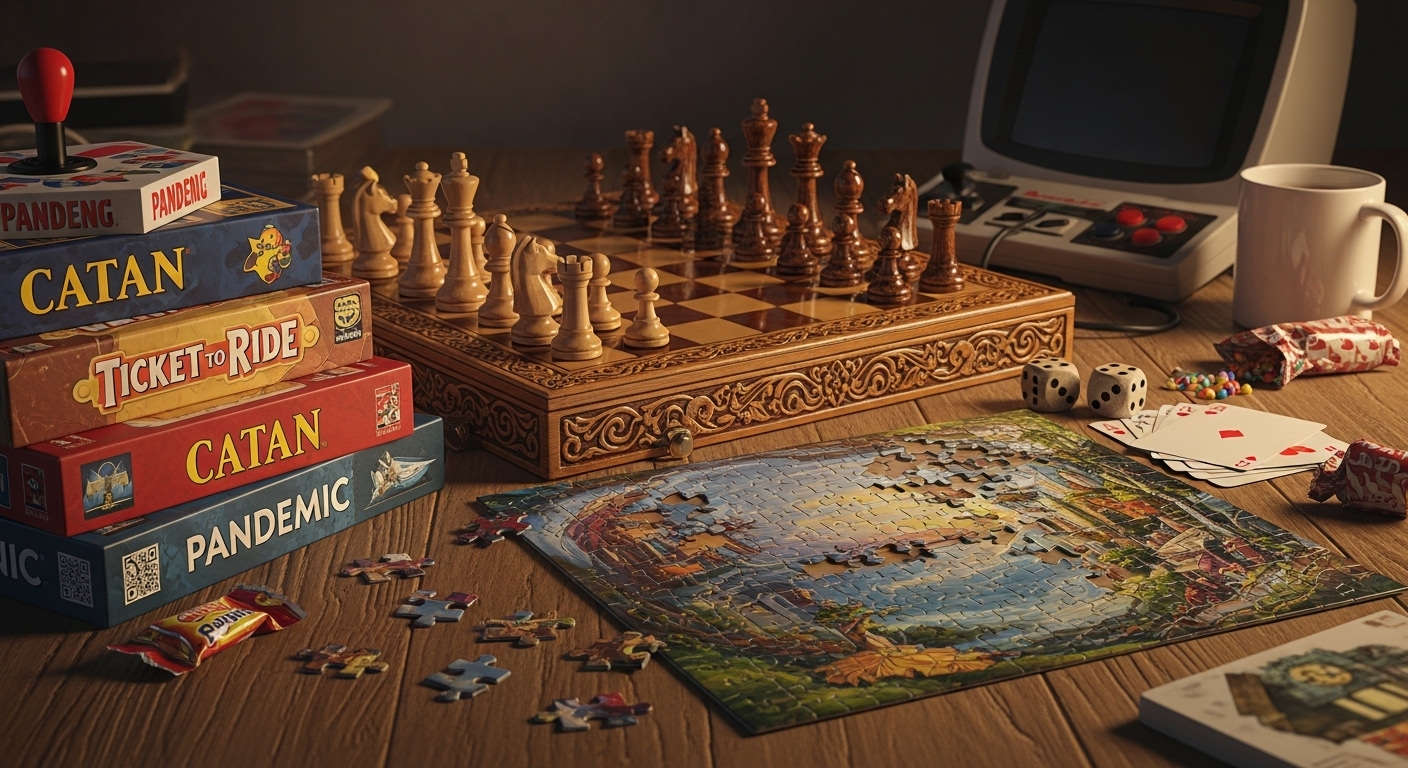
When industrialization came, games took a new form. Leisure time increased, and with it came the birth of modern board games like Monopoly, Scrabble, and Clue. These games reflected the times—competition, strategy, and imagination wrapped into tangible experiences that families could enjoy together.
Then came the digital revolution, and everything changed. The first computer games in the mid-20th century were simple: lines, dots, and text representing ideas that only a few could access. Yet they opened the door to something extraordinary. Pong, Space Invaders, and Pac-Man introduced the idea that digital play could be accessible to everyone.
In the 1980s and 1990s, consoles like the NES, Sega Genesis, and PlayStation transformed gaming from a niche hobby into a global cultural force. Developers began telling stories through pixels, designing worlds that were not just challenges but narratives. Mario became a household name, and adventures like The Legend of Zelda inspired imagination on a scale that previous generations could only dream of.
The 21st century introduced online multiplayer gaming, bringing the world together in unprecedented ways. Games were no longer isolated experiences—they were social networks, communities, and ecosystems. The idea of a “player” evolved into that of a “participant” in vast, living worlds.
The Rise of Video Games as a Cultural Force
Today, video games rival and even surpass film and music in cultural and economic impact. From immersive open-world adventures to competitive esports arenas, games have become central to modern identity. Millions tune in to watch professional players compete, just as previous generations watched sports.
But the influence of games goes far beyond entertainment. They shape how we tell stories, how we learn, and even how we think. Narrative-driven games like The Last of Us or Red Dead Redemption show that games can deliver emotional depth and storytelling on par with the finest novels or films. Meanwhile, games like Minecraft and Roblox turn players into creators, empowering them to design worlds, systems, and stories of their own.
Games also reflect social realities and moral dilemmas. They raise questions about identity, choice, and consequence. In doing so, they become not just playthings but mirrors to the human condition.
The Psychology of Play: Why We Love Games
Why do humans play? Psychologists and philosophers have explored this question for centuries. The answer lies deep in our biology and emotions. Play is a form of exploration—it allows us to test boundaries, learn systems, and experience emotions in safe environments. Whether winning a match, solving a puzzle, or exploring an unknown world, the brain rewards us with satisfaction and pleasure.
Games trigger curiosity and mastery, two fundamental human drives. The sense of progression—getting better, advancing levels, achieving goals—mirrors our real-life desire for growth. Even failure in games teaches resilience. When we lose, we learn, and when we try again, we improve. This cycle makes games deeply addictive in a healthy, motivational way.
Another powerful factor is social connection. Multiplayer games satisfy our innate need to belong and cooperate. They create shared experiences, friendships, and even rivalries. In an increasingly digital world, games are often the new playgrounds, the new cafes, and the new meeting spaces.
Different Types of Games: Diversity in Play
The word “games” covers an enormous variety of experiences. From physical sports to tabletop strategy, from mobile puzzles to VR simulations, the diversity is endless. Here are some of the main categories that define the gaming landscape.
Board Games
Traditional board games are timeless. Chess, checkers, and Monopoly continue to be family favorites because they combine simplicity with strategy. Modern board games, however, have grown more creative, offering rich storytelling and cooperative experiences that rival video games.
Video Games
This is the dominant form of gaming today. From consoles to PCs and mobile phones, video games are everywhere. Genres range from action, adventure, and simulation to strategy, role-playing, and survival. Each offers unique mechanics and appeals to different types of players.
Sports and Physical Games
Football, basketball, tennis, and countless other sports remain essential forms of play. They combine physical skill, teamwork, and discipline, making them both fun and beneficial for health.
Educational and Serious Games
Not all games are about winning. Many are designed to teach, train, or raise awareness. Educational games help students learn concepts through engagement, while simulation games assist professionals in medicine, aviation, or engineering.
Role-Playing Games
Role-playing games (RPGs) deserve special mention for their emphasis on imagination. Whether tabletop versions like Dungeons & Dragons or digital worlds like Skyrim, RPGs allow players to create characters, make choices, and shape stories.
The Social Side of Gaming
In the past, games were seen as solitary or even isolating, especially video games. But in reality, games have become powerful tools of connection. Online gaming communities, streaming platforms, and multiplayer experiences have turned gaming into a global social network.
People from different continents form friendships, teams, and alliances. They communicate, collaborate, and compete in shared virtual spaces. Gaming has even become a cultural bridge—players learn about other cultures, languages, and perspectives simply by playing together.
Esports takes this connection to another level. Professional gaming competitions fill stadiums and attract millions of online viewers. The best players are treated like athletes, and the events themselves are global celebrations of skill and teamwork.
Games and Creativity
One of the most beautiful aspects of gaming is creativity. Many modern games are not just about playing—they’re about making. Players build worlds, design characters, and craft stories. Sandbox games encourage experimentation and imagination, turning players into artists.
This creativity extends beyond the screen. Fan art, modding communities, and cosplay are thriving subcultures built around gaming. Developers and players constantly inspire each other, blurring the line between creator and consumer.
Games also drive innovation in technology and storytelling. Virtual reality, artificial intelligence, and interactive narratives are pushing boundaries that traditional media can’t. In a sense, games are laboratories for the imagination of the future.
The Educational Power of Games
For decades, educators have recognized that games are powerful learning tools. Unlike passive learning, games engage active problem-solving, decision-making, and feedback. They teach perseverance, logic, and collaboration.
Educational games are used in classrooms to teach subjects like math, science, and history. Simulations help students understand complex systems, while storytelling games build empathy and language skills. Even commercial games, though not designed for education, often enhance cognitive abilities such as memory, spatial awareness, and coordination.
Serious games are also used in training fields like medicine, engineering, and the military. They provide realistic, risk-free environments for learning through practice. This blending of fun and function shows that games are not just entertainment—they’re tools for growth.
The Dark Side: Challenges in Gaming
While games offer countless benefits, they also come with challenges. Game addiction, toxicity in online communities, and exploitative business practices are growing concerns. Excessive play can affect mental health, sleep, and social balance.
Moreover, issues like representation, inclusivity, and ethical storytelling are constantly debated. The gaming industry must balance creativity with responsibility. Developers and communities alike are learning how to make gaming safe, fair, and inclusive for everyone.
Violence in games has also sparked controversy. While research shows that games alone do not cause aggression, the discussion continues about how exposure to violent or unethical choices affects behavior. The key lies in moderation, context, and understanding the purpose of play.
The Future of Games: Beyond Reality
The future of gaming looks boundless. With rapid advances in technology, the line between reality and play continues to blur. Virtual reality and augmented reality are making games more immersive. Artificial intelligence is creating dynamic, responsive worlds where every choice matters.
Cloud gaming allows people to play high-quality games without expensive hardware, making gaming more accessible. Meanwhile, the metaverse concept envisions vast interconnected virtual worlds where people live, work, and play together.
Storytelling in games is evolving, too. Procedural generation, branching narratives, and player-driven worlds mean no two experiences are ever the same. Games are becoming personalized adventures shaped by the player’s decisions and imagination.
The Emotional Impact of Games
Beyond fun and challenge, games have emotional depth. They make players laugh, cry, reflect, and dream. A well-designed game can evoke empathy and understanding in ways that few mediums can. Players form attachments to characters, experience moral dilemmas, and even confront real-world issues through interactive storytelling.
Games like Journey, Celeste, and Life is Strange have shown that games can be profoundly moving. They offer solace, healing, and a sense of connection during times of loneliness. For many, gaming is not just a pastime—it’s a form of emotional expression and community.
Games as Art
There was once debate over whether games could be considered art. Today, that question seems outdated. Games combine music, writing, visual design, and interactivity into cohesive experiences. They allow the player to participate in art, to move through it, to shape it.
Each game is a creative collaboration between developers, artists, composers, and storytellers. The result is an art form unique to our time—one that lives through participation and imagination. Just as paintings reflect the spirit of their age, games reflect the digital soul of ours.
Conclusion: The Endless Game of Life
From ancient stones to virtual galaxies, games have followed humanity through every stage of its journey. They teach us, entertain us, and connect us in ways no other medium can. Games are not an escape from reality—they are an extension of it, a playground for the mind and soul.
As technology and creativity evolve, the essence of play remains unchanged. We play because it is in our nature—to explore, to challenge, to connect, to imagine. Games remind us that life itself is a game: unpredictable, beautiful, and full of possibilities.
And perhaps that is why, no matter how far the world advances, humans will always find a way to play.