Introduction: The Universal Appeal of Games
Games have been an integral part of human society for centuries. From ancient board games like Senet in Egypt to modern video games played on advanced consoles, games serve as both entertainment and a way to challenge the mind. While once considered a leisure activity for children or hobbyists, games today have evolved into a multi-billion-dollar industry that influences culture, social interaction, education, and even professional sports. The appeal of games lies in their ability to combine fun with challenge, creativity with strategy, and competition with collaboration.
The Psychology of Gaming
The human brain is naturally drawn to games because they trigger reward systems that provide a sense of accomplishment. Achievements, levels, and milestones in games create positive reinforcement, encouraging continued engagement. Games also offer problem-solving opportunities, which stimulate critical thinking and cognitive flexibility. Beyond mental stimulation, gaming can serve as a stress-reliever. Immersing oneself in a virtual world or completing a challenging puzzle can provide a temporary escape from everyday pressures. Games are, in many ways, designed to balance challenge and reward, keeping players motivated and emotionally engaged.
Types of Games and Their Unique Benefits
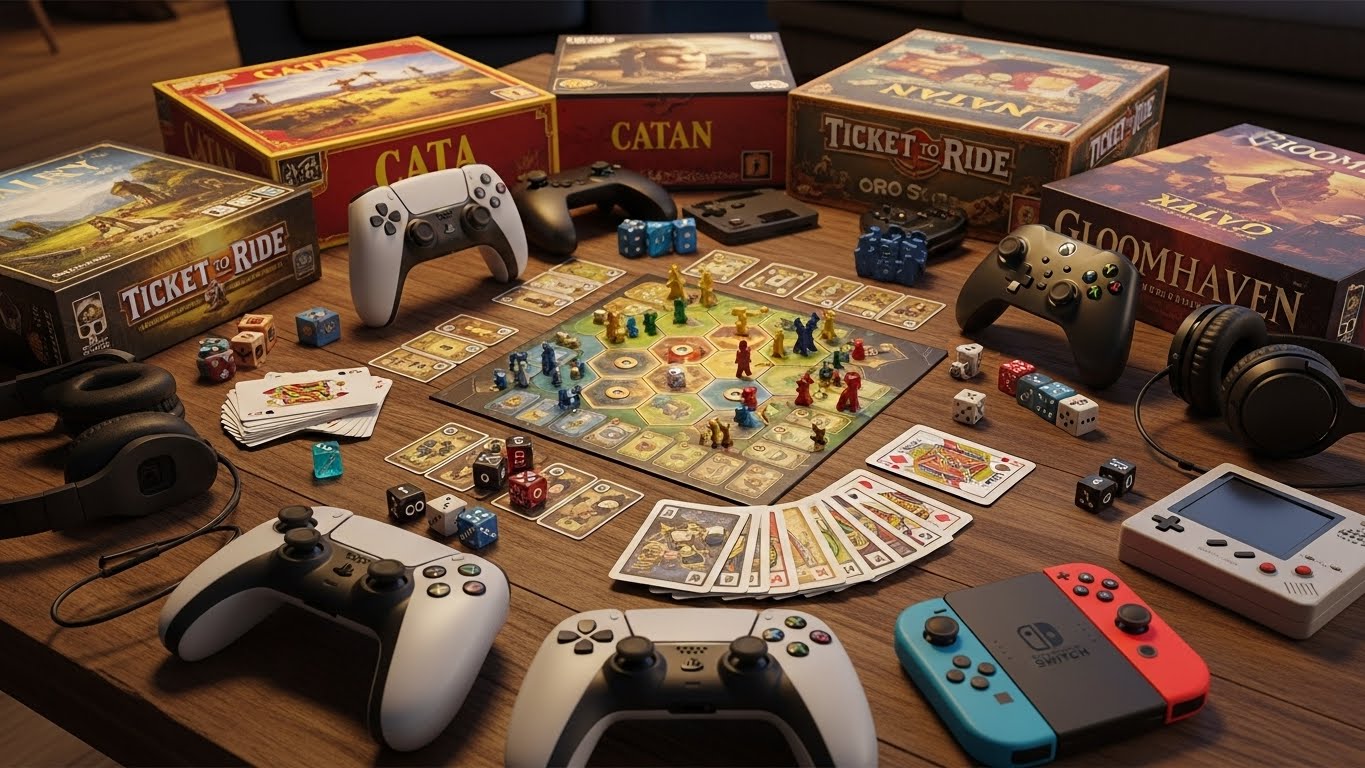
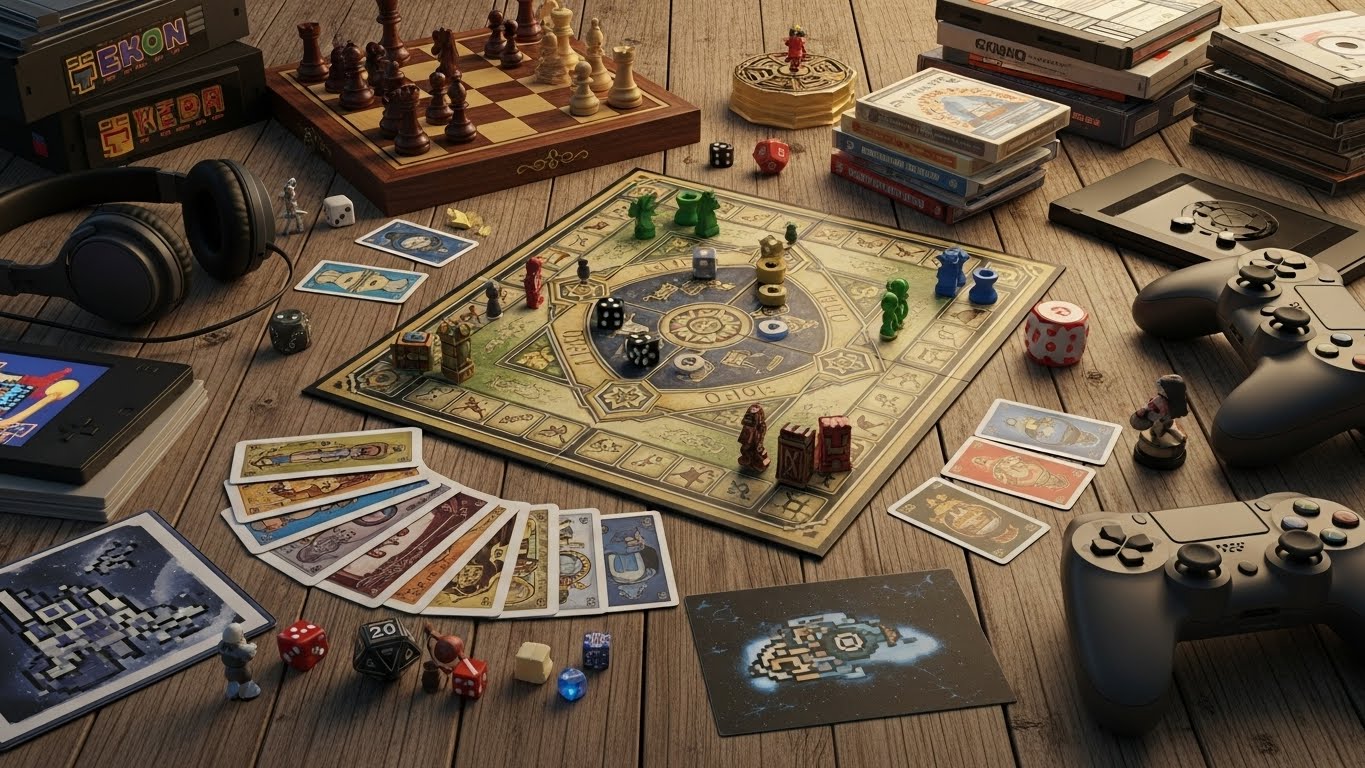
Games come in a variety of forms, each offering unique experiences and benefits. Board games and card games often emphasize strategy, memory, and social interaction, helping players develop analytical skills and communication. Video games, ranging from role-playing games to action-adventures, enhance hand-eye coordination, multitasking ability, and strategic thinking. Puzzle games challenge the mind and improve problem-solving capabilities, while simulation games allow players to explore real-world scenarios in a safe environment. Even physical games like sports and outdoor challenges build teamwork, coordination, and endurance. The diversity of games ensures that there is something for every interest, skill level, and age group.
Gaming and Cognitive Development
Contrary to outdated stereotypes, gaming can have significant cognitive benefits. Strategy games require careful planning, adaptability, and anticipation of opponents’ moves, which strengthens decision-making skills. Fast-paced action games enhance reaction time and visual-spatial awareness, training the brain to process information quickly. Multiplayer games often require collaboration and negotiation, fostering social intelligence and teamwork skills. Additionally, educational games designed with learning objectives in mind can reinforce knowledge in subjects like math, science, language, and history. The mental stimulation provided by games demonstrates that gaming can be both entertaining and intellectually enriching.
Social Interaction Through Games
Modern games have a strong social dimension. Multiplayer online games connect players across the globe, creating communities united by shared goals and experiences. In these virtual spaces, players form friendships, work collaboratively, and engage in healthy competition. Even offline games provide opportunities for bonding among family and friends. Board game nights, team sports, and cooperative challenges strengthen interpersonal relationships and communication skills. Social gaming fosters a sense of belonging, demonstrating that games are not just about individual achievement but also about human connection and cooperation.
The Rise of Competitive Gaming
Esports, or competitive gaming, has transformed the perception of games as a professional pursuit. Today, professional gamers compete in tournaments with prize pools reaching millions of dollars. Like traditional sports, esports requires rigorous practice, strategy, teamwork, and mental endurance. It has created a new ecosystem of coaches, analysts, commentators, and content creators. Competitive gaming not only offers career opportunities but also inspires young players to pursue their passion seriously. The legitimacy of esports as a career demonstrates the growing recognition of gaming as more than just a pastime.
Games as Creative Outlets
Games are not only about winning or achieving goals—they are platforms for creativity. Open-world and sandbox games allow players to design, build, and manipulate environments according to their imagination. Story-driven games enable players to explore narratives, shape characters’ destinies, and engage with complex moral decisions. Beyond gameplay, many enthusiasts create mods, fan art, and in-game content that extend the game’s universe. This creative expression highlights the transformative power of games to foster imagination and artistic talent, proving that games can be a medium for personal expression as much as for entertainment.
Technological Innovations in Gaming
Advancements in technology have revolutionized how games are created and experienced. High-definition graphics, realistic physics engines, and artificial intelligence have enhanced immersion and realism. Virtual reality (VR) and augmented reality (AR) have taken interactivity to a new level, allowing players to step into digital worlds with unprecedented realism. Cloud gaming services now make it possible to play high-quality games on multiple devices without expensive hardware. These innovations reflect how the gaming industry continuously pushes the boundaries of technology, offering experiences that are increasingly lifelike, interactive, and accessible.
Games and Education
Educational games are gaining traction as effective learning tools. By integrating academic concepts into interactive gameplay, these games make learning engaging and memorable. Simulation games allow learners to experiment with real-world scenarios, enhancing understanding of complex systems. Role-playing games teach empathy by immersing players in diverse perspectives. Even mainstream games can provide educational value; strategy games develop analytical thinking, while puzzle games enhance logic and memory. As schools and educators recognize the potential of games, they are increasingly incorporating them into curricula to combine fun with skill development.
The Cultural Impact of Games
Games have become a significant cultural phenomenon. Iconic characters, storylines, and worlds transcend their medium to influence fashion, music, film, and art. Gaming communities foster shared experiences that strengthen cultural identity and connection. Additionally, games increasingly reflect social issues and diverse perspectives, promoting inclusivity and awareness. The cultural impact of games demonstrates that they are not isolated entertainment but powerful mediums that shape collective imagination and societal values.
Mental Health and Games
While excessive gaming can have negative effects, moderate and mindful gaming can positively influence mental health. Games provide a sense of achievement, progression, and control, which can boost self-esteem. Multiplayer games offer social interaction that combats loneliness and isolation. Therapeutic games are designed to address mental health issues such as stress, anxiety, and ADHD, offering safe ways to engage the mind. Games’ ability to balance challenge, reward, and immersion makes them valuable tools for mental stimulation and emotional resilience.
Economic Influence of Gaming
The gaming industry is a global economic powerhouse. It generates billions in revenue annually, surpassing both film and music industries combined. Game development supports a wide range of careers, including programming, design, marketing, and production. Mobile gaming has expanded access, bringing entertainment to millions worldwide. In-game purchases and subscription models create sustainable revenue streams for developers, enabling continuous innovation. The economic impact of games demonstrates that they are more than leisure—they are a vital component of modern economies and creative industries.
The Future of Gaming
The future of gaming promises continued innovation and integration into daily life. Artificial intelligence will create adaptive gameplay experiences that respond to individual player behavior. Virtual and augmented reality will blur the lines between digital and physical worlds, offering deeper immersion. Cross-platform play and cloud gaming will make high-quality experiences more accessible to diverse audiences. Personalized storytelling and interactive narratives will allow players to shape their own adventures. As technology and creativity advance, gaming will continue to evolve, offering experiences that are increasingly immersive, engaging, and meaningful.
Conclusion: Games as More Than Entertainment
Games are no longer just a form of pastime; they are a multifaceted phenomenon that influences minds, cultures, and societies. They stimulate cognitive development, foster social connections, inspire creativity, and provide emotional relief. The rise of esports, digital gaming platforms, and educational games demonstrates that games are relevant in both professional and academic contexts. As technology continues to advance, the role of games in shaping culture, innovation, and human experience will only grow. Ultimately, games remind us that play is not merely for children—it is a lifelong pursuit that challenges, entertains, and enriches the human experience.