Introduction
Games have been a fundamental part of human culture for centuries, providing entertainment, challenge, and social connection. From traditional board games to modern video games, they engage the mind, enhance creativity, and bring people together. Games are not just a pastime; they are a reflection of human ingenuity, strategy, and imagination.
The History of Games
Games have existed since ancient times, serving both recreational and educational purposes. Early societies played games to teach strategy, mathematics, and teamwork. Board games like chess and Go developed critical thinking skills, while physical games helped improve strength and coordination. Over the centuries, games have evolved into diverse forms that appeal to all ages and interests.
Physical and Mental Benefits
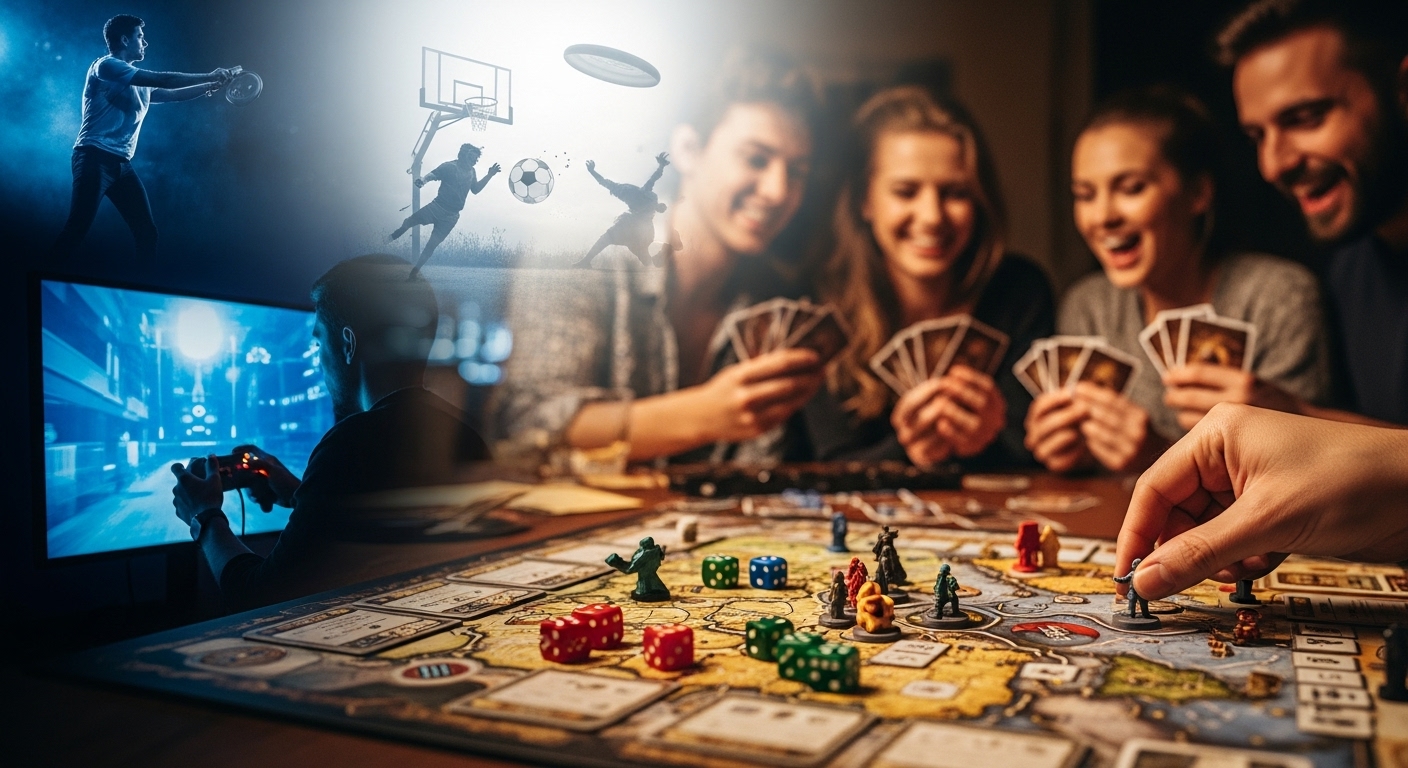
Games offer numerous physical and mental benefits. Physical games, such as sports and active play, improve coordination, endurance, and overall health. Mental games, including puzzles, strategy games, and video games, enhance problem-solving skills, concentration, and decision-making. Playing games also reduces stress, encourages creative thinking, and fosters a sense of accomplishment.
Popular Types of Games
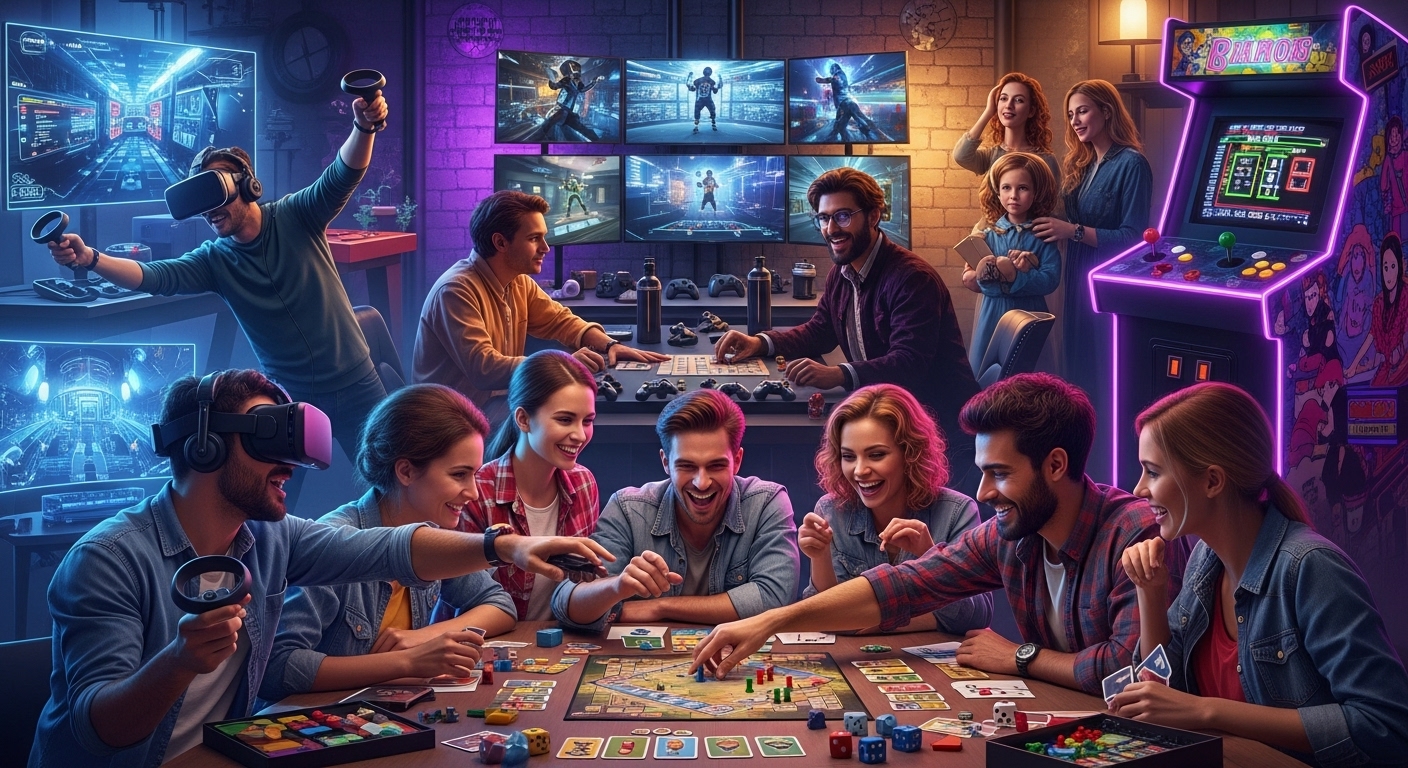
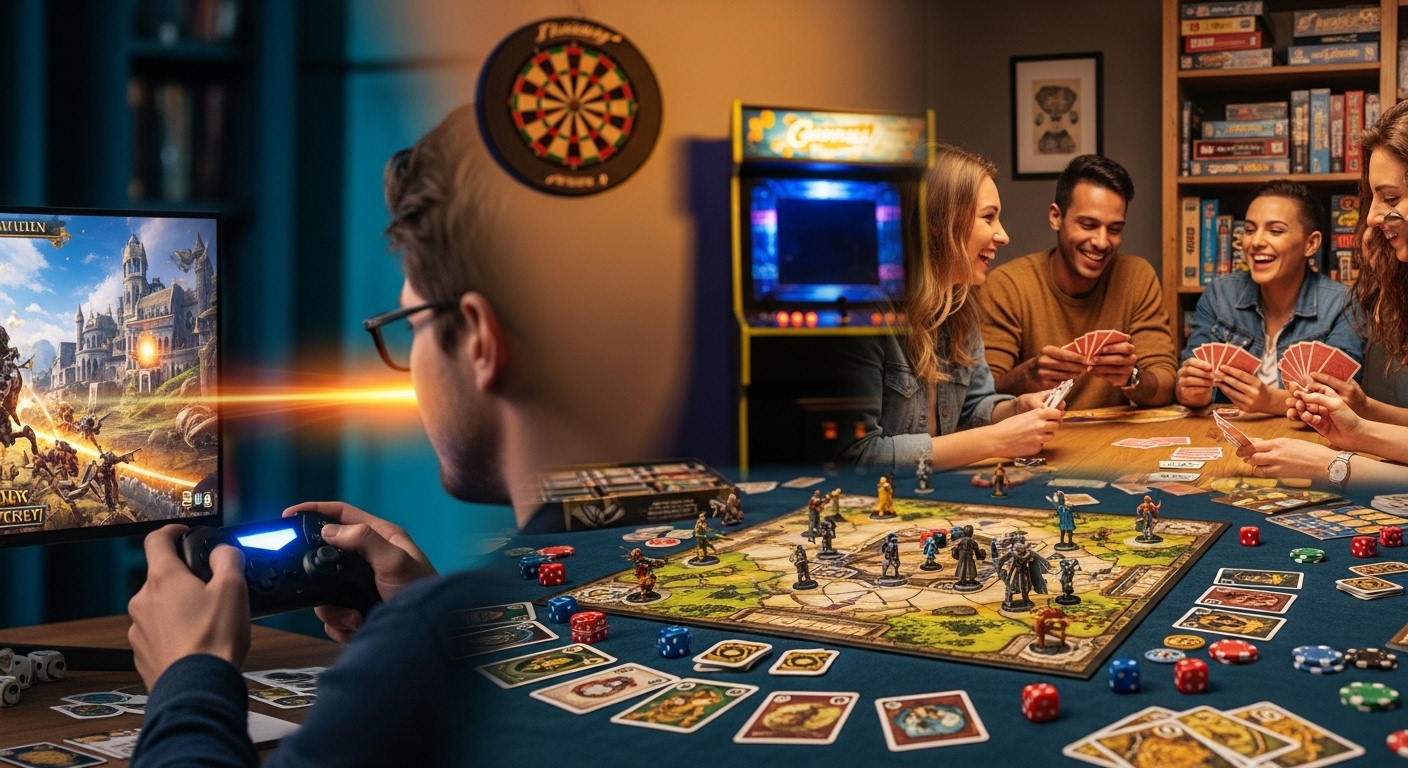
Games come in many forms, catering to different interests. Board and card games encourage strategy, logic, and social interaction. Video games provide immersive experiences, combining storytelling, action, and skill. Outdoor games and sports promote fitness and teamwork. Role-playing games, both tabletop and digital, allow players to explore new worlds and develop collaborative skills.
Games and Education
Games have increasingly been recognized as effective educational tools. Gamification in learning uses game mechanics to engage students, making lessons interactive and enjoyable. Educational games teach concepts in mathematics, science, history, and language arts while promoting critical thinking and problem-solving. Incorporating games into education fosters curiosity, motivation, and active participation.
Social Impact of Games
Games create connections and communities. Multiplayer games and online platforms allow people from different regions and cultures to interact, collaborate, and compete. Playing games builds friendships, encourages teamwork, and improves communication skills. In many cultures, games serve as a social tradition, strengthening bonds and shared experiences.
Technology and Modern Gaming
Modern technology has transformed gaming into a global phenomenon. Video games, virtual reality, and mobile gaming offer experiences that are interactive, immersive, and accessible to millions. Advanced graphics, online multiplayer modes, and real-time streaming have expanded gaming beyond personal play into global competitions and entertainment spectacles.
Challenges in Gaming
Despite their benefits, games face challenges. Excessive gaming can lead to addiction, social isolation, and health issues. Balancing screen time, promoting responsible play, and ensuring fair competition are critical for healthy gaming practices. The gaming industry also faces issues like cyberbullying and ensuring inclusivity for all players.
The Future of Games
The future of games is full of innovation. Emerging technologies like augmented reality, virtual reality, and artificial intelligence will create even more immersive experiences. Games are expected to continue shaping education, entertainment, and social interactions, making them an integral part of future culture and human development.
Conclusion
Games are far more than simple entertainment. They stimulate the mind, strengthen the body, foster social connections, and nurture creativity. Whether played for fun, learning, or competition, games have a lasting impact on individuals and communities. As technology and imagination advance, games will continue to play a vital role in shaping human experiences and connections.