
Introduction
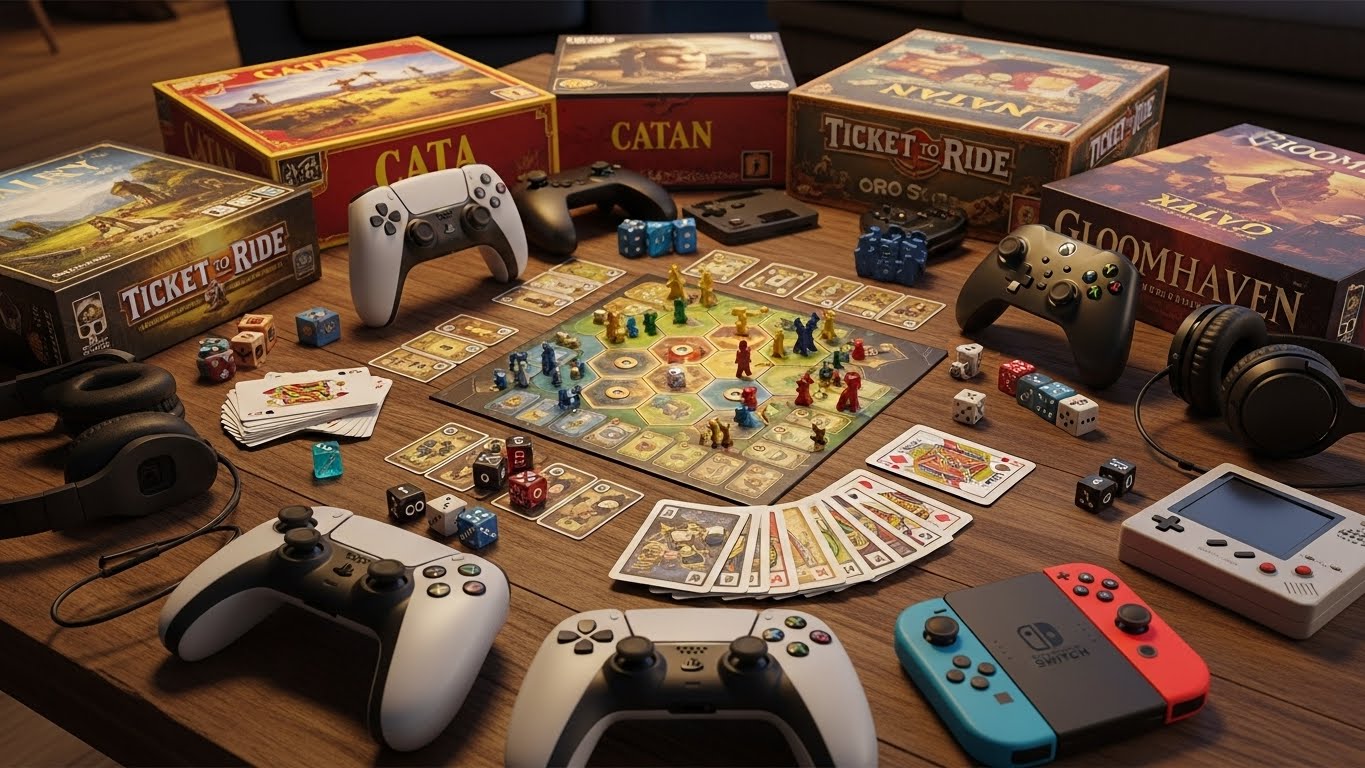
Games have always been a vital part of human culture, bringing joy, excitement, and creativity into our lives. From ancient board games to the high-tech digital experiences of today, games have evolved into something far greater than simple entertainment. They inspire imagination, strengthen the mind, and connect people across the world. Whether played for fun, learning, or competition, games hold a special place in everyone’s life.
The Evolution of Games
The story of games began thousands of years ago. Ancient civilizations enjoyed games like chess, checkers, and dice to pass time and sharpen their thinking. With the arrival of technology, gaming entered a new era. Video games introduced an entirely different experience, transforming play into an interactive adventure. Today, games are played on consoles, computers, and smartphones, offering experiences that range from simple puzzles to expansive virtual worlds.
Types of Games and Their Appeal
One of the most beautiful things about games is their diversity. There is a game for every interest, personality, and age group. Action games test quick reflexes and courage, strategy games demand planning and foresight, while role-playing games invite players to live out epic stories. Puzzle games stimulate the brain, while sports and racing games deliver excitement and competition. This variety ensures that everyone can find a game that suits their taste and mood.
The Role of Technology in Modern Gaming
Technology has completely reshaped how we play and experience games. High-definition graphics, realistic sound effects, and advanced physics engines make modern games feel lifelike. Innovations like virtual reality and augmented reality take immersion to the next level, allowing players to step directly into the world of the game. Artificial intelligence enhances gameplay by making opponents smarter and challenges more engaging. With every technological leap, games become more immersive, interactive, and accessible.
Games and Human Connection
Games are not just about winning; they are about connecting. Multiplayer games allow friends and strangers from all over the world to come together, communicate, and compete. Gaming communities have grown into global networks that foster teamwork, cooperation, and friendship. Through games, people learn the value of collaboration, strategy, and respect for others, turning digital spaces into vibrant social platforms.
The Educational Value of Games
Modern games are more than entertainment—they can also be powerful learning tools. Educational games teach subjects like mathematics, science, and language in creative ways. Simulation games help players understand real-world systems, from city planning to business management. Even traditional games like chess or Sudoku improve concentration, memory, and problem-solving abilities. Gaming encourages learning through exploration, helping players think critically and creatively.
Psychological and Emotional Benefits
Playing games offers numerous mental and emotional benefits. They help reduce stress, improve focus, and boost cognitive function. Games that involve puzzles or strategy strengthen problem-solving skills, while creative games stimulate imagination and artistic expression. Moreover, games provide a sense of achievement and motivation, helping players develop persistence and resilience. In moderation, gaming can be a healthy and rewarding part of life.
Challenges in the Gaming World
Despite its many advantages, gaming also faces challenges. Excessive gaming can lead to addiction, lack of physical activity, and social isolation. Online environments sometimes expose players to negativity and unfair behavior. To overcome these issues, it is important to promote responsible gaming and maintain a balance between play and real-world responsibilities. Parents, developers, and players all share the responsibility of ensuring gaming remains a positive experience.
The Future of Games
The future of gaming promises even more innovation and excitement. With the rise of virtual reality, artificial intelligence, and cloud gaming, the boundaries between the digital and real worlds continue to blur. Games will become more immersive, educational, and accessible to everyone. Developers are focusing on inclusivity, creativity, and emotional storytelling, ensuring that the future of gaming will be both inspiring and transformative.
Conclusion
Games have come a long way from their humble beginnings. They now stand as a powerful form of entertainment, education, and social connection. Whether it is a board game played with family or an online adventure shared with friends, games bring people together and spark creativity. They teach valuable lessons, encourage imagination, and create unforgettable experiences. As technology continues to evolve, games will remain an essential part of our lives, reminding us that play is one of the purest expressions of human joy and discovery.