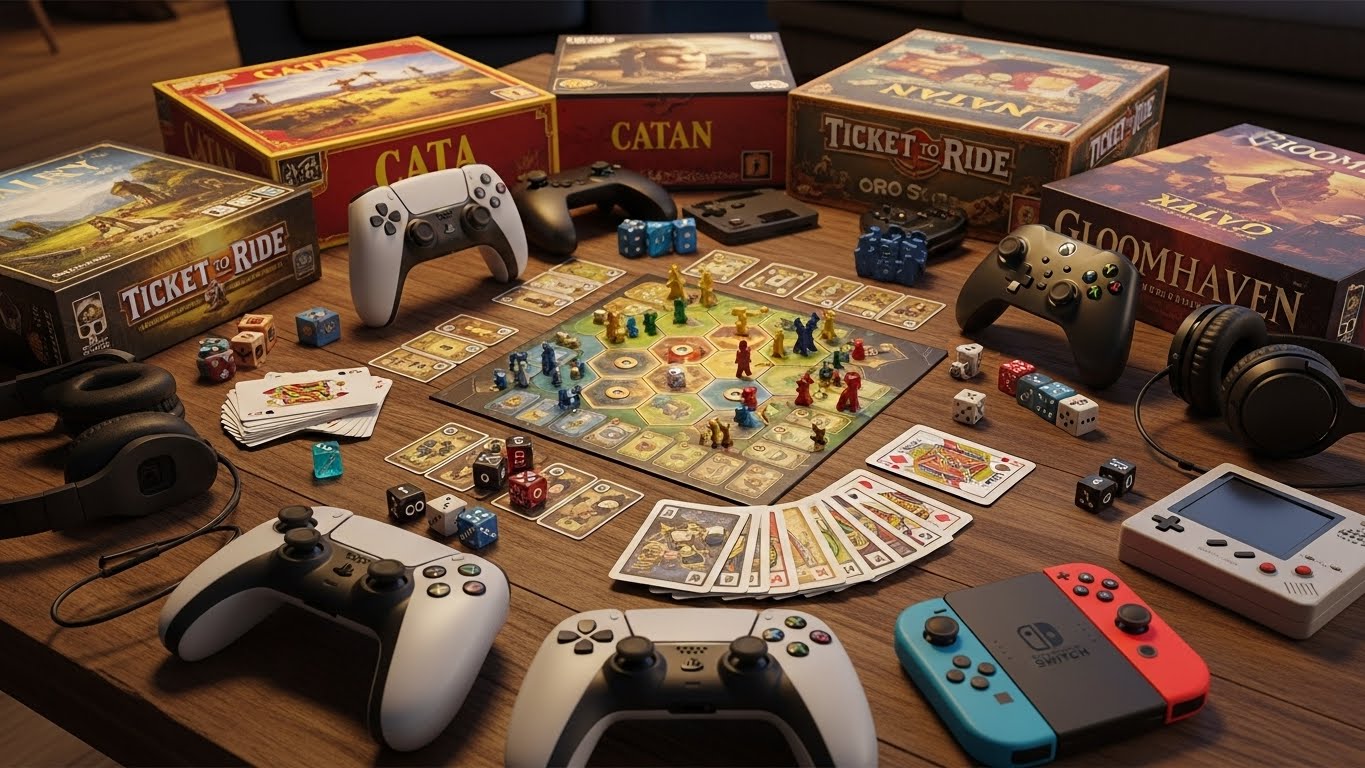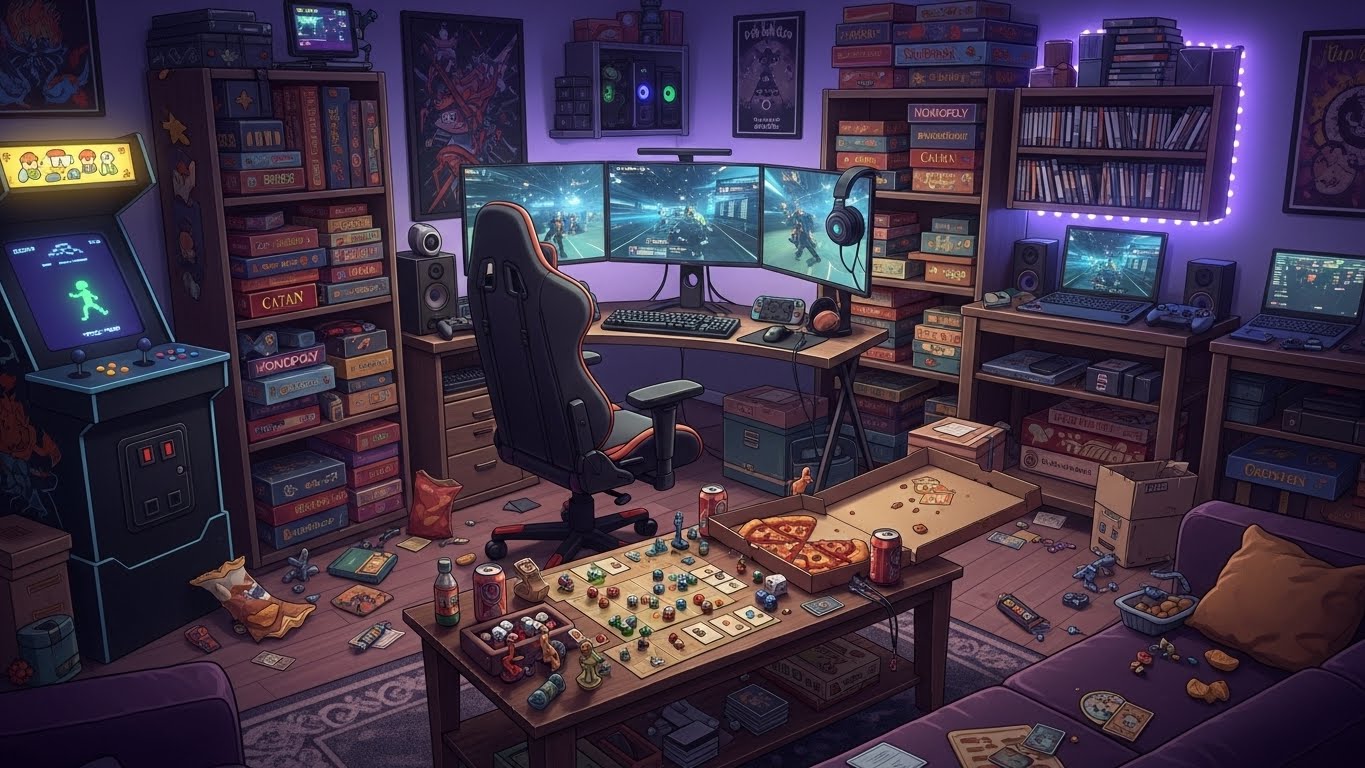
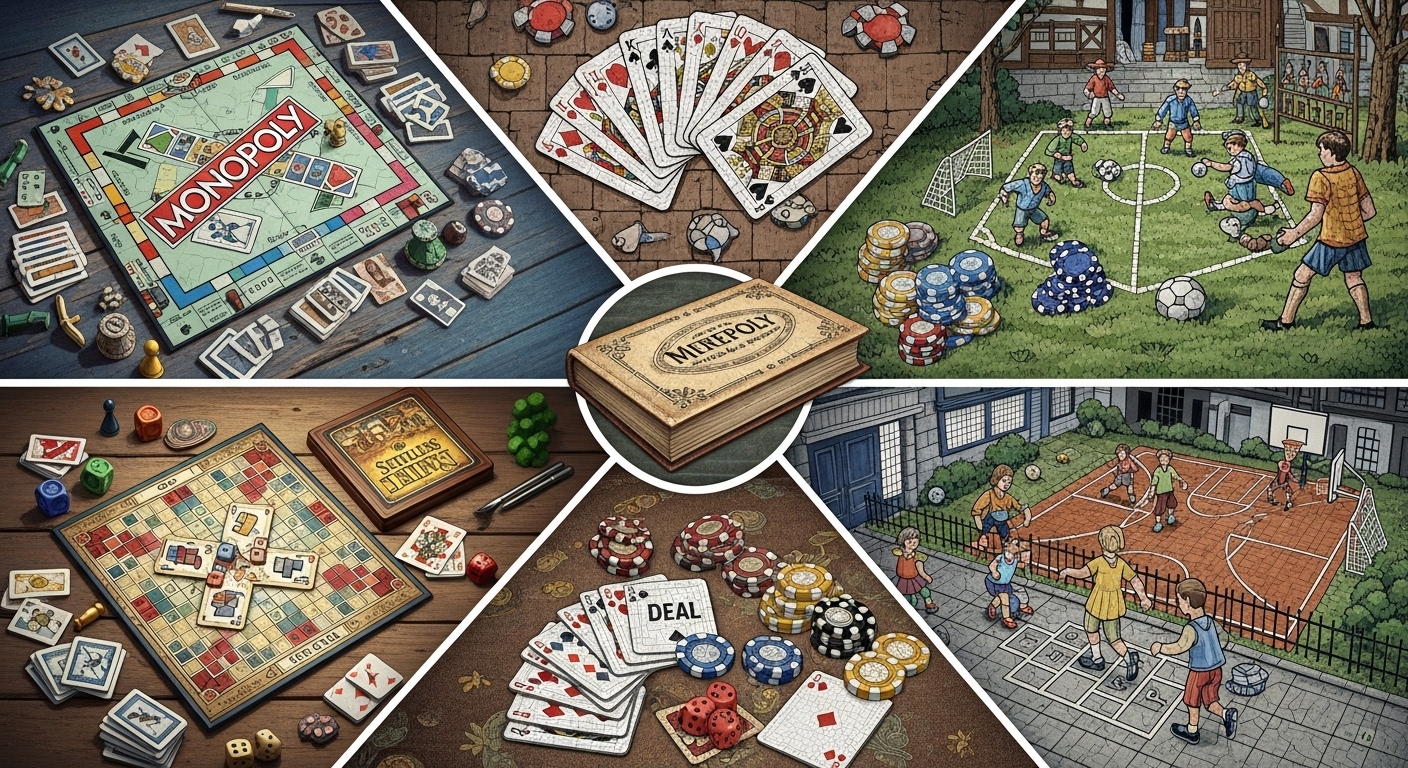
Games have always been an inseparable part of human culture. From ancient times to the modern digital age, games have evolved beyond imagination, transforming into a medium that not only entertains but also educates, connects, and challenges the mind. The world of games is vast and diverse, stretching from physical outdoor activities to virtual experiences played on consoles and computers. This blog explores the magical and multidimensional universe of games, how they influence our lives, their psychological and social impact, and why they remain such a vital aspect of human development and joy.
The Historical Journey of Games
The history of games is as old as civilization itself. Ancient societies played various games for entertainment, spiritual rituals, and even military training. For instance, board games like Senet were played in ancient Egypt, believed to represent the journey of the soul to the afterlife. In Greece and Rome, competitive physical games were a part of festivals and celebrations, showcasing not only athletic skill but also discipline and strategy.
The concept of structured play evolved through centuries. During medieval times, games like chess emerged as intellectual pursuits that mirrored strategy and power dynamics. Chess, originating in India as Chaturanga, spread across continents and became a symbol of intelligence and strategic mastery. Similarly, traditional outdoor games such as tag, hide-and-seek, and ball games became social activities that built camaraderie among children and adults alike.
As time progressed into the industrial and modern eras, games began to take on new forms. The invention of cards, dice, and later, mechanical and electronic devices, transformed play into both pastime and competition. The twentieth century brought forth an explosion of new types of games, including arcade games, board games, and later, video games, leading to a cultural phenomenon that continues to grow today.
The Rise of Video Games and Digital Play
The late 20th century marked a revolution in gaming with the advent of video games. What started as simple electronic amusements on arcade machines soon developed into an entire entertainment industry. The first notable success, Pong, a simple tennis-like game, introduced the idea of interactive play on a screen. This led to the birth of iconic franchises such as Space Invaders, Pac-Man, and Donkey Kong.
The 1980s and 1990s were golden decades for gaming. Companies like Nintendo, Sega, and Sony entered the scene, creating home consoles that transformed living rooms into arenas of fun. Characters like Mario, Sonic, and Link became cultural icons, representing not only entertainment but creativity and innovation. The shift from 2D to 3D graphics during the 1990s expanded the boundaries of immersion, allowing players to explore complex virtual worlds.
The 2000s took gaming to another level with the rise of online multiplayer experiences. Games such as World of Warcraft, Counter-Strike, and Call of Duty turned gaming into a social experience. Players could now compete and collaborate with others around the globe, forming communities and friendships that transcended geography.
Today, with the evolution of technology, the world of gaming has expanded into realms like virtual reality (VR), augmented reality (AR), and mobile platforms. Smartphones have made games accessible to everyone, transforming casual players into daily participants in the gaming culture. Whether it is a competitive esports tournament or a relaxing puzzle game played during a commute, gaming has become an integral part of modern life.
The Psychology of Gaming
Games are more than just fun—they engage our minds in fascinating ways. Psychologists have long studied why humans are drawn to play. One of the core reasons is the concept of challenge and reward. Games provide structured challenges that stimulate our problem-solving abilities and reward us with satisfaction when we succeed. This process releases dopamine, the brain’s “feel-good” chemical, creating a sense of pleasure and accomplishment.
Moreover, games fulfill psychological needs outlined in self-determination theory: autonomy, competence, and relatedness. Autonomy comes from the freedom to make choices within a game. Competence arises from mastering skills or overcoming obstacles. Relatedness develops when players connect with others, either through competition or cooperation.
Games can also serve as an emotional outlet. In stressful times, they offer an escape—a way to immerse oneself in an alternate reality where goals are clear and progress is measurable. Role-playing games, for example, allow individuals to embody different characters, providing a sense of empowerment and exploration.
However, like any powerful tool, gaming must be approached with balance. Excessive gaming can lead to issues like addiction or social isolation if not managed responsibly. Understanding the psychology of gaming helps both players and society appreciate its benefits while mitigating potential drawbacks.
The Educational Value of Games
In the past, games were often dismissed as mere entertainment, but modern educators have recognized their enormous educational potential. Educational games, or edutainment, combine learning with play, making complex subjects engaging and interactive. For example, strategy games enhance decision-making and critical thinking skills. Puzzle games sharpen problem-solving abilities, while simulation games teach resource management and planning.
Games like Minecraft have been used in classrooms to teach architecture, physics, and creativity. Students can build virtual worlds, experiment with materials, and understand concepts through hands-on digital experiences. Language learning apps have gamified vocabulary building, turning repetition into a fun challenge.
Even traditional games contribute to education. Chess, for instance, develops foresight and logical reasoning. Sports games encourage teamwork, leadership, and discipline. When designed thoughtfully, games become tools for cognitive and social development, nurturing skills that go far beyond the virtual environment.
Social Connection Through Games
One of the most powerful aspects of games is their ability to connect people. In the digital age, social gaming has created communities that span across borders. Multiplayer games like Fortnite, League of Legends, and Valorant bring millions of players together, fostering teamwork and communication. These platforms allow friendships to form among people who may never meet in person but share common goals and experiences.
Even offline, games have always been a social glue. Family board game nights, neighborhood sports matches, and friendly competitions strengthen relationships and promote cooperation. Playing together helps people learn about one another’s personalities, strengths, and weaknesses in ways that conversation alone cannot achieve.
In an increasingly isolated world, games offer a sense of belonging. For many, online gaming communities act as support systems, where players can express themselves freely, share experiences, and find acceptance. This social dimension adds depth to the idea that gaming is not just about winning—it’s about connecting.
The Art and Creativity Behind Games
Every great game is a work of art. From visual design and storytelling to music and mechanics, games combine multiple art forms into one immersive experience. Game designers, artists, writers, and composers collaborate to build worlds that feel alive. Each environment, character, and sound effect contributes to the atmosphere, telling a story that players live rather than just watch.
Narrative-driven games such as The Last of Us, Red Dead Redemption, or Journey demonstrate how storytelling can evoke deep emotions. These games explore themes of love, sacrifice, and morality, pushing the boundaries of what interactive art can achieve. The emotional power of games often rivals that of cinema or literature because the player becomes an active participant in the story.
Moreover, independent developers have revolutionized creativity in gaming. With limited resources but boundless imagination, indie games have produced some of the most innovative concepts in the industry. Titles like Celeste, Undertale, and Hollow Knight prove that passion and storytelling can outweigh massive budgets.
Game design is also a reflection of cultural identity. Different regions bring their unique aesthetics and philosophies to the gaming world. Japanese games often emphasize emotional storytelling and symbolism, while Western games might focus on freedom and realism. This diversity enriches the global tapestry of gaming culture.
Sports, Competition, and Esports
Competition has always been at the heart of play, and gaming is no different. The emergence of esports—organized competitive gaming—has transformed video games into a spectator sport. Professional gamers now compete in massive tournaments with millions of viewers and lucrative prize pools. Games like Dota 2, Counter-Strike, and League of Legends have established themselves as the cornerstones of this phenomenon.
Esports athletes train rigorously, just like traditional sports professionals. They develop reflexes, strategies, and teamwork, often supported by coaches and analysts. The discipline required to excel in esports has shattered old stereotypes that gamers are lazy or antisocial. Instead, they are now recognized as dedicated, skilled competitors at the top of their craft.
The popularity of esports also highlights the global nature of gaming. Fans from different countries cheer for their favorite teams and players, creating a shared cultural experience similar to international sports events. This fusion of competition, technology, and entertainment signifies a new chapter in human recreation.
The Impact of Games on Society
The influence of games extends far beyond leisure. Economically, the gaming industry is one of the largest entertainment sectors in the world, surpassing even film and music. It provides millions of jobs, from developers and designers to streamers and journalists.
Culturally, games shape how we think, communicate, and view technology. They inspire films, music, merchandise, and even academic research. Games have become a language of expression—one that allows players to experience worlds, narratives, and emotions from perspectives different from their own.
Games also serve humanitarian and social purposes. Many developers use gaming to raise awareness about social issues, mental health, and environmental concerns. Games like That Dragon, Cancer or Life is Strange address deep emotional and ethical themes, prompting players to reflect on their choices and empathy.
In addition, games can promote inclusivity. Adaptive technologies and accessibility options have opened gaming to people with disabilities, ensuring that everyone can participate in the joy of play. This inclusiveness continues to grow as developers prioritize diversity in characters, stories, and gameplay experiences.
The Future of Games
The future of games is limitless. With advancements in artificial intelligence, virtual reality, and augmented reality, the line between the real and virtual worlds continues to blur. Imagine games that adapt dynamically to your emotions or environments that change based on your decisions in real time. AI-driven storytelling could make every playthrough unique, tailored to the player’s personality.
The integration of gaming with wearable technology and the metaverse promises even deeper immersion. Players may soon step inside digital worlds, interacting with characters and objects using natural gestures and speech. As technology evolves, games could become powerful tools for training, therapy, and creativity, far beyond entertainment.
Moreover, the democratization of game development tools allows anyone with imagination to create their own games. This accessibility ensures that the next generation of storytellers, artists, and dreamers will continue to redefine what gaming means.
Conclusion
Games are more than just entertainment—they are a reflection of human creativity, connection, and growth. From ancient board games carved in stone to immersive virtual realities, the essence of gaming remains the same: joy, challenge, and imagination. They teach us to think strategically, to cooperate, to express ourselves, and most importantly, to dream.
The world of games is infinite, constantly expanding as technology advances and creativity flourishes. Whether played for relaxation, competition, or learning, games unite us in ways no other form of art or activity can. They are a universal language that transcends culture and age, reminding us that play is not just for children—it is a fundamental part of what makes us human.
In every move, every quest, every victory, and even in every defeat, games celebrate life’s greatest adventure: the pursuit of fun, meaning, and connection.