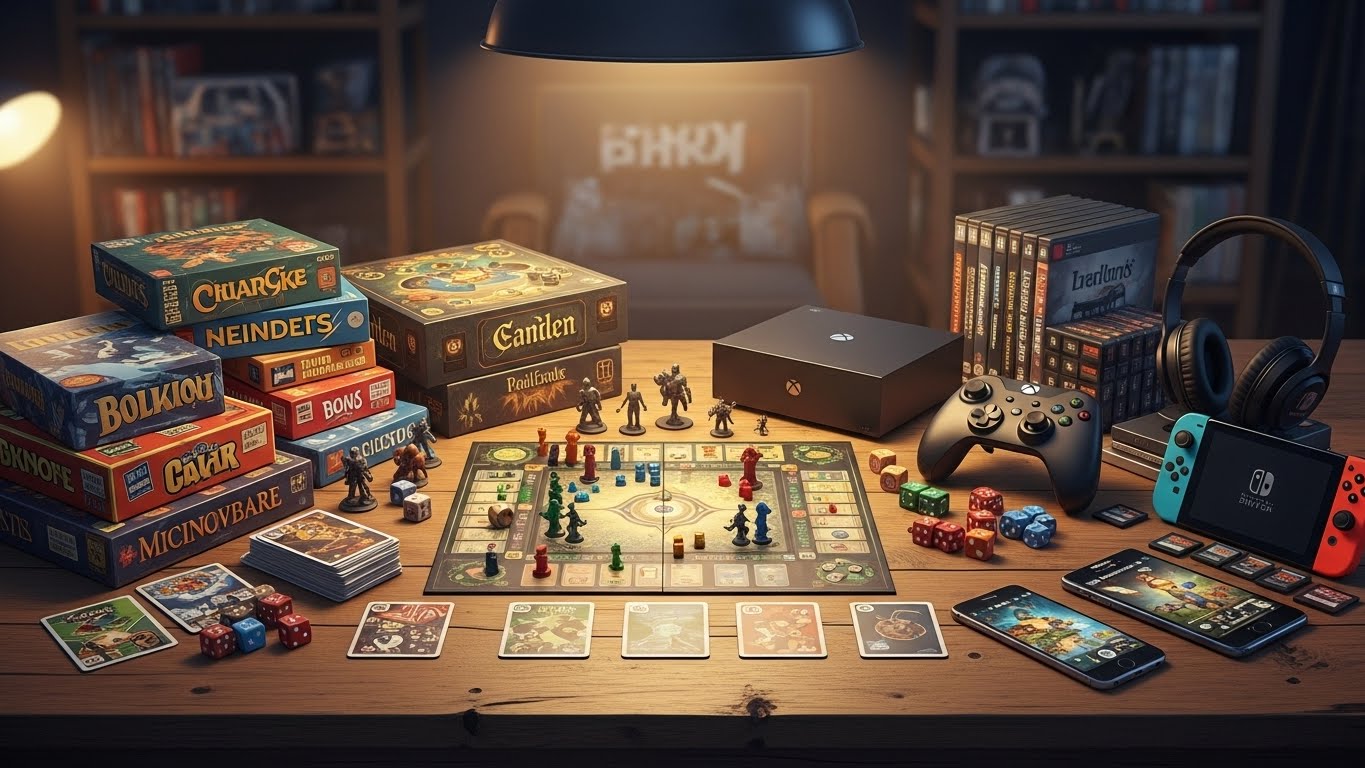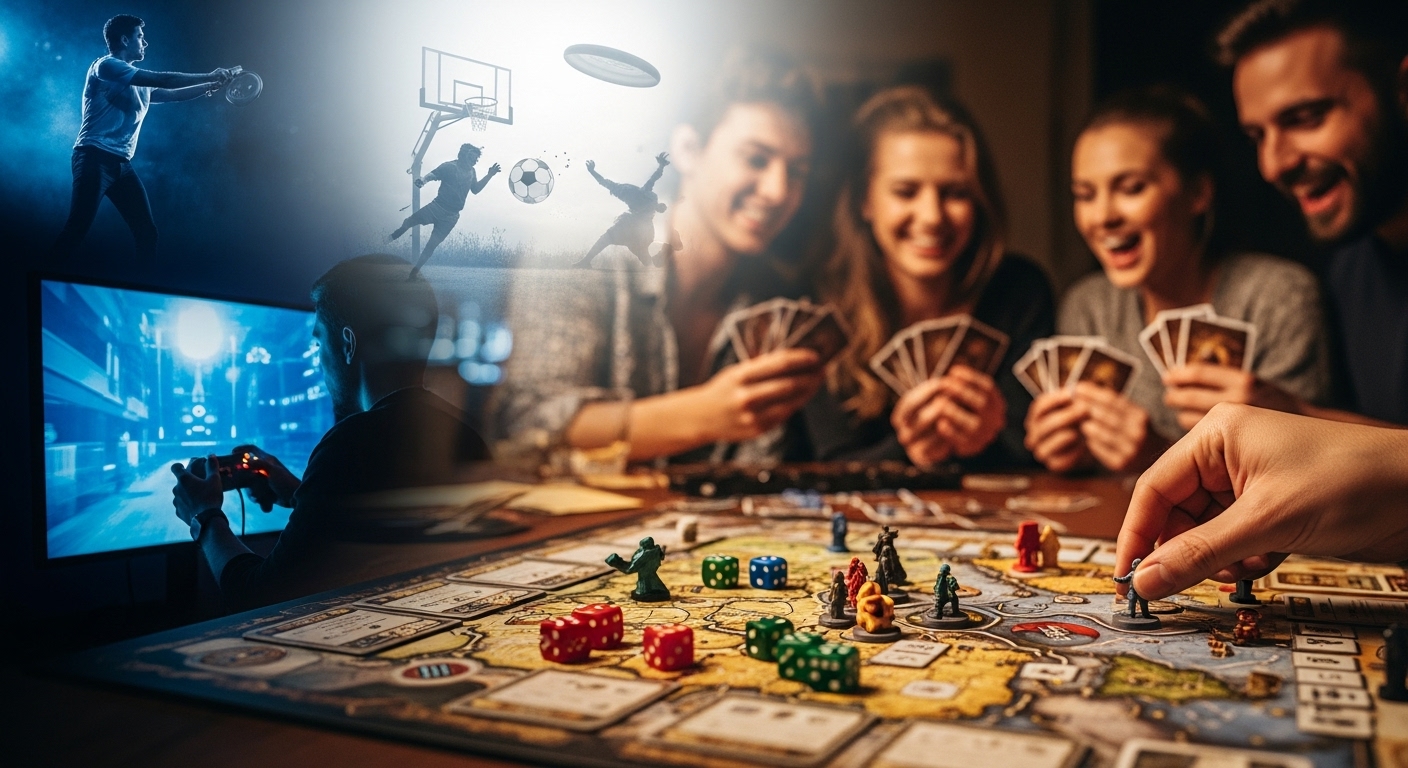
Games have always been an inseparable part of human civilization. From the earliest days of humanity, when ancient tribes played with stones and sticks, to the modern digital age of virtual reality and esports tournaments, games have evolved dramatically. They are not just a form of entertainment but also a means of learning, developing skills, building relationships, and exploring creativity. The concept of games has expanded far beyond recreation, becoming a powerful cultural and economic force. In this blog, we will explore the vast world of games, their evolution, types, impact, and the role they play in shaping human life and society.
The Origins of Games
Games date back thousands of years. Archaeologists have discovered evidence of gaming artifacts from ancient civilizations such as Mesopotamia, Egypt, China, and Greece. One of the oldest known board games is Senet, played in ancient Egypt around 3100 BC. It was not just entertainment; it carried religious and symbolic meaning. Similarly, games like Go in China and Mancala in Africa have existed for centuries, reflecting cultural traditions and human creativity.
In ancient Greece, games were closely tied to physical fitness and honor. The Olympic Games, established around 776 BC, became a global tradition that continues today. These early games celebrated human strength, skill, and perseverance. They also established a social and cultural framework for competition and achievement that still defines gaming in the modern era.
The Role of Games in Society
Games have always been more than play. They have served educational, social, and even political purposes. In early societies, games were used to train warriors, teach children essential skills, and strengthen social bonds. Chess, for example, was originally designed to teach strategic thinking and military tactics. Its influence on logic and problem-solving has made it a symbol of intelligence and foresight.
Socially, games bring people together. Whether it is a family board game night, children playing in a park, or friends competing in a digital arena, games create connections. They break down barriers, allowing people of different backgrounds and cultures to interact through a shared experience. Even in competitive settings, games promote communication, teamwork, and respect.
The Evolution of Games Through the Ages
The journey from physical games to digital ones is one of the most fascinating stories in human creativity. Traditional games such as cards, chess, and sports dominated human leisure for centuries. But with the invention of computers and the rise of technology in the twentieth century, a new kind of game emerged: the video game.
The 1950s and 1960s saw the creation of the earliest computer games, often developed by scientists and researchers experimenting with new machines. “Spacewar!” (1962) is considered one of the first digital games ever made. It was followed by arcade classics in the 1970s like “Pong,” which introduced millions to the joy of interactive play. The 1980s brought a golden age with consoles such as the Atari, Nintendo Entertainment System, and Sega Genesis. Characters like Mario, Sonic, and Pac-Man became cultural icons.
By the 1990s, games had become more advanced, featuring 3D graphics, soundtracks, and immersive worlds. The arrival of personal computers and the internet transformed gaming further, enabling multiplayer experiences and global connectivity. Players could now compete or cooperate with others around the world. The 2000s introduced mobile gaming and online communities, while the 2010s expanded into open-world games, virtual reality, and esports. Today, the line between reality and virtual play is blurrier than ever.
Types of Games
The world of games is incredibly diverse, catering to different tastes, ages, and purposes. Let’s explore some major types.
Board Games
Board games remain timeless. From chess and checkers to modern favorites like Monopoly and Catan, they foster strategy, patience, and interaction. They often serve as tools for family bonding or casual entertainment, blending skill with chance.
Sports and Outdoor Games
Sports are among the most traditional and widely played games in human history. Football, cricket, basketball, tennis, and countless others have united nations and inspired generations. Sports emphasize physical ability, teamwork, and discipline. They also teach resilience, leadership, and sportsmanship.
Card Games
Card games are portable, easy to learn, and adaptable. Whether it’s poker, bridge, or Uno, they mix strategy, memory, and luck. Card games have even become professional-level competitions with significant followings.
Video Games
The digital age has given rise to a completely new realm of gaming. Video games encompass a vast range of genres, from action and adventure to strategy, role-playing, and simulation. Titles like The Legend of Zelda, Grand Theft Auto, and Minecraft have become cultural milestones, inspiring fan communities and shaping pop culture.
Mobile Games
With smartphones in nearly every hand, mobile gaming has exploded. Games like Candy Crush, Clash of Clans, and PUBG Mobile reach billions of players worldwide. They offer accessibility and instant entertainment, turning gaming into a daily habit for many.
Esports
Esports, or competitive gaming, has revolutionized how we view games. Professional players, teams, and leagues now compete for fame and massive prize pools. Games like League of Legends, Dota 2, and Counter-Strike have created international tournaments that rival traditional sports events in viewership and excitement.
Educational and Serious Games
Not all games are purely for fun. Educational games are designed to teach skills, concepts, or problem-solving. From children’s learning apps to simulation-based training in medicine or aviation, games have become valuable tools for development. They blend enjoyment with education, proving that learning doesn’t have to be boring.
The Psychology of Gaming
Why do people love games so much? The psychology behind gaming is complex and fascinating. Games appeal to fundamental human desires: challenge, achievement, curiosity, and social interaction. They provide a safe environment for experimentation and failure, allowing players to learn through trial and error.
The sense of accomplishment when completing a level, the joy of discovery, and the satisfaction of improving skills all trigger positive emotions. Games activate the brain’s reward system, releasing dopamine, which reinforces motivation and engagement. This is why gaming can be so immersive and sometimes even addictive.
Multiplayer games also fulfill social needs. They create communities where players collaborate, compete, and communicate. For many, gaming becomes a way to belong, express identity, and form friendships that extend beyond the virtual world.
The Cultural Impact of Games
Games have become a major part of modern culture. They influence movies, music, fashion, and art. Iconic game characters and themes inspire creativity across industries. Cosplay events, gaming conventions, and fan art demonstrate how deeply gaming culture resonates with people around the world.
Moreover, games often reflect societal issues. Titles like “The Last of Us,” “Bioshock,” and “Undertale” explore themes of morality, survival, and empathy. They can provoke thought and discussion about human nature and ethics. This creative storytelling potential has led many to view video games as an art form, deserving the same respect as literature or cinema.
The Economic Power of Gaming
Gaming is no longer a niche hobby; it is a global industry worth hundreds of billions of dollars. Game development employs millions, from designers and programmers to artists and musicians. The rise of digital distribution and streaming platforms has transformed how games are sold and played. Independent creators can now reach audiences without major publishers.
Esports and live-streaming have created new careers, with professional gamers, commentators, and influencers earning substantial incomes. The success of this industry has even encouraged traditional entertainment companies to invest in gaming. This economic power ensures that games will remain a central part of the global economy for decades to come.
The Dark Side of Gaming
While gaming has countless benefits, it also presents challenges. Addiction, excessive screen time, and social isolation are growing concerns. Some players spend too many hours immersed in virtual worlds, neglecting real-life responsibilities. The World Health Organization has even recognized gaming disorder as a behavioral condition in extreme cases.
Additionally, issues like online harassment, toxic communities, and unethical monetization practices have raised ethical questions. Microtransactions and pay-to-win systems can create unfair experiences and exploit players. Developers and governments are now working toward solutions, such as parental controls, content ratings, and healthier gaming habits.
The Role of Parents and Education in Gaming
Parents often struggle to understand or manage their children’s gaming habits. However, not all games are harmful. With proper guidance, gaming can teach critical thinking, coordination, and creativity. Educational games enhance learning through interactivity, making subjects like mathematics or science more engaging.
Schools and universities have also begun incorporating game-based learning. Simulations, role-playing, and virtual labs encourage active participation. Moreover, gaming clubs and competitions develop teamwork and problem-solving skills, proving that games can complement education rather than distract from it.
The Future of Gaming
The future of gaming looks incredibly promising and exciting. Advancements in technology are pushing boundaries beyond imagination. Virtual reality (VR) and augmented reality (AR) are merging the physical and digital worlds. Players can now step inside their favorite games, exploring lifelike environments in immersive ways.
Artificial intelligence (AI) is also revolutionizing game design. Smarter non-player characters, adaptive difficulty, and personalized experiences make games more engaging. Cloud gaming allows players to stream games without expensive hardware, breaking barriers of accessibility.
The concept of the metaverse—a shared, persistent virtual world—is also gaining traction. In such environments, gaming, social interaction, and digital economies blend seamlessly. Players can create, trade, and explore endless possibilities. This evolution could redefine how humans interact with entertainment and technology.
The Emotional Connection to Games
What makes games truly special is the emotional journey they offer. A powerful story or a challenging experience can leave a lasting impact. Players often remember the moments they triumphed after countless failures, or when a game’s narrative touched their hearts.
Games can be therapeutic, offering escape and relief from stress. During difficult times, many find comfort in familiar virtual worlds or communities. For some, gaming is not just a hobby but a form of expression and identity. It provides purpose, belonging, and joy in ways few other mediums can.
Games as a Universal Language
One of the most beautiful aspects of games is their universality. No matter the culture or language, games speak to everyone. A simple ball game can unite children across continents. A shared digital quest can bond players from different backgrounds. Games transcend boundaries, proving that play is a fundamental part of being human.
Even in the most technologically advanced forms, the core idea of games remains the same—to connect, to challenge, and to create joy. Whether ancient or modern, physical or digital, games are a reflection of our creativity and our desire to explore and achieve.
Conclusion
Games have journeyed from primitive playthings to complex virtual worlds, yet their essence has never changed. They continue to inspire imagination, promote learning, and connect people. From children playing tag in the streets to professionals competing in global tournaments, the world of games encompasses every age, culture, and generation.
As technology evolves, the definition of games will keep expanding, but their purpose will remain eternal—to entertain, to teach, and to bring people together. Games are not just activities; they are an expression of humanity’s boundless creativity and desire for discovery. Whether you are a casual player or a passionate gamer, every game you play adds another chapter to this endless story of play, connection, and imagination.