In the ever-evolving world of entertainment, few mediums have made such a lasting impact as video games. What began as a simple form of amusement has transformed into an expansive digital universe, offering players more than just fun—it’s a place for connection, challenge, and creative expression. In this blog post, we dive into the multifaceted world of gaming, exploring its evolution, cultural influence, and the potential that lies ahead for this dynamic industry.
The Early Days: From Arcades to Consoles
The story of gaming begins with the humble arcade machines of the late 1970s. Games like Pong and Pac-Man captured the attention of a generation, laying the foundation for what would eventually grow into a massive global industry. The early days of gaming were simple but addictive, offering players a challenge in the form of pixelated visuals and basic mechanics.
By the 1980s, home consoles started making their way into living rooms. The release of systems like the Nintendo Entertainment System (NES) and the Sega Genesis introduced players to a new world of interactive entertainment. These consoles allowed games to reach wider audiences and brought iconic franchises such as Super Mario and Sonic the Hedgehog into homes around the world. The evolution from arcades to consoles marked a turning point, creating an industry that would only continue to grow and expand.
The Rise of Multiplayer Gaming: Connecting the World
One of the most transformative shifts in the gaming world has been the rise of multiplayer gaming. In the early days, gaming was largely a solitary experience, with players sitting alone in front of a screen. However, as technology advanced, so did the way we interacted with games. The introduction of online multiplayer games in the late 1990s and early 2000s revolutionized how people played together.
Games like Quake and Unreal Tournament allowed players to connect over the internet, paving the way for a new era of competitive and cooperative gaming. Online multiplayer games like World of Warcraft and League of Legends elevated this even further, creating global communities where players could form guilds, participate in large-scale battles, and share experiences across continents. The sense of connection that multiplayer gaming fosters has become one of the most important aspects of the gaming experience today.
The Mobile Revolution: Gaming in Your Pocket
While traditional gaming consoles and PCs dominated the market for decades, the mobile gaming revolution brought a new wave of accessibility. With the advent of smartphones and tablets, gaming became portable, and a massive new audience was introduced to the world of interactive entertainment. Suddenly, anyone with a smartphone could access a wide variety of games—whether it was a casual puzzle game or a full-fledged RPG.
Mobile games like Angry Birds, Candy Crush Saga, and Clash of Clans became household names, attracting millions of players from all walks of life. The success of mobile gaming showed that gaming could be enjoyed in short bursts, on the go, and with minimal commitment. This shift has significantly expanded the gaming demographic, proving that games aren’t just for hardcore enthusiasts but can appeal to people of all ages and interests.
The Immersive World of VR and AR
Looking ahead, the future of gaming lies in even more immersive experiences through Virtual Reality (VR) and Augmented Reality (AR). These technologies have the potential to completely change how players interact with games, taking them beyond the traditional screen and into fully immersive worlds.
Virtual reality, with its headsets and motion controllers, creates an experience where players are physically inside the game, interacting with their surroundings as if they were real. Games like Half-Life: Alyx and Beat Saber have demonstrated the immense potential of VR, offering experiences that feel both real and otherworldly at the same time.
On the other hand, augmented reality blends the virtual and physical worlds, allowing players to interact with digital elements in the real world. Pokémon Go, the AR game that took the world by storm in 2016, encouraged players to explore their surroundings in search of virtual creatures. The future of AR in gaming holds even more exciting possibilities, from location-based games to interactive experiences that could blend seamlessly into our everyday lives.
Storytelling in Gaming: More Than Just a Game
While gameplay is an essential part of any video game, storytelling has become one of the most captivating aspects of modern games. Today’s video games are not only about mechanics and challenges; they are about weaving compelling narratives that engage players emotionally.
Games like The Last of Us, Red Dead Redemption 2, and The Witcher 3: Wild Hunt have shown the power of storytelling in gaming. These titles feature intricate plots, deep character development, and a sense of immersion that rivals movies and books. What sets gaming apart, however, is its interactivity—players aren’t just watching a story unfold; they are actively participating in it, making choices that affect the outcome.
This interactive storytelling aspect makes gaming unique, as players have the ability to shape their own experiences, from making moral decisions to exploring vast open worlds and creating their own narratives within the game’s universe.
Gaming and Social Impact: The Power of Communities
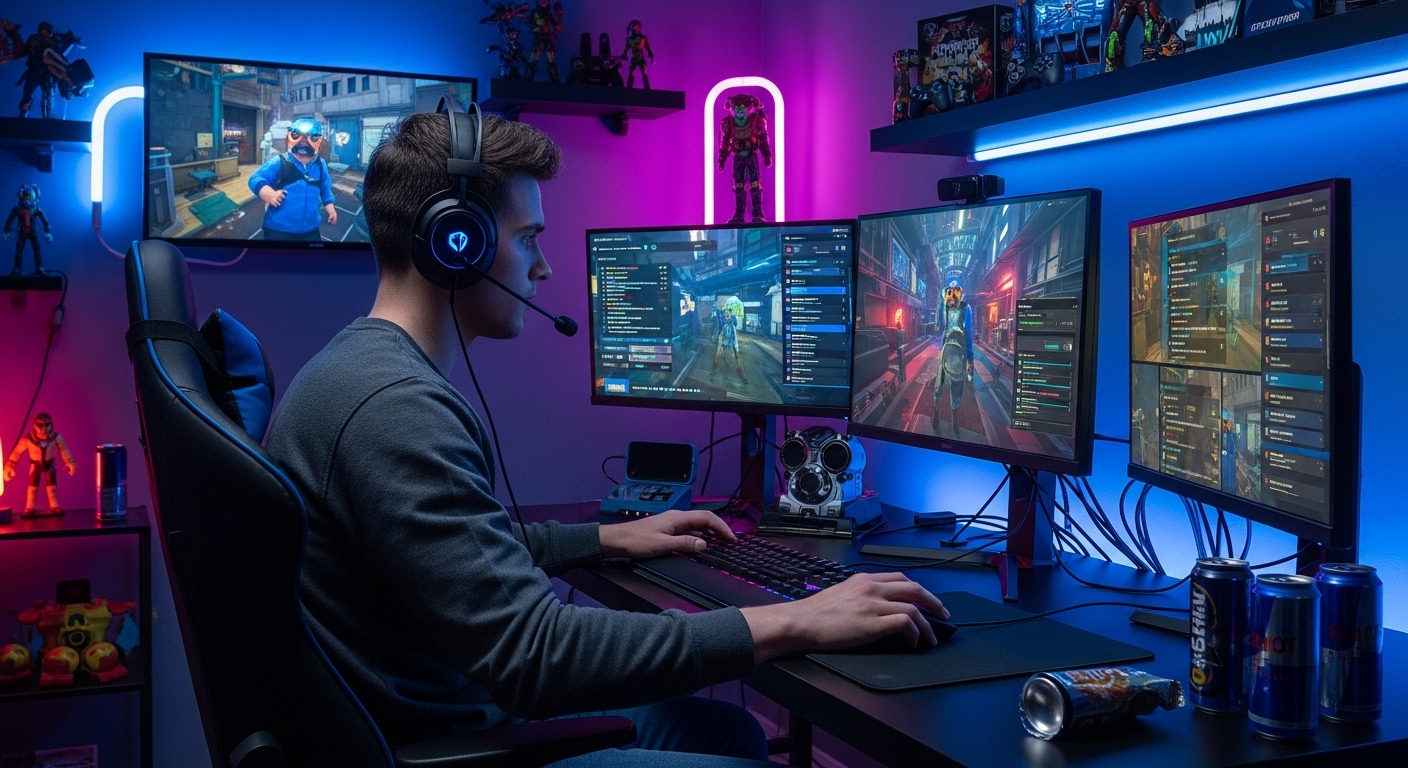
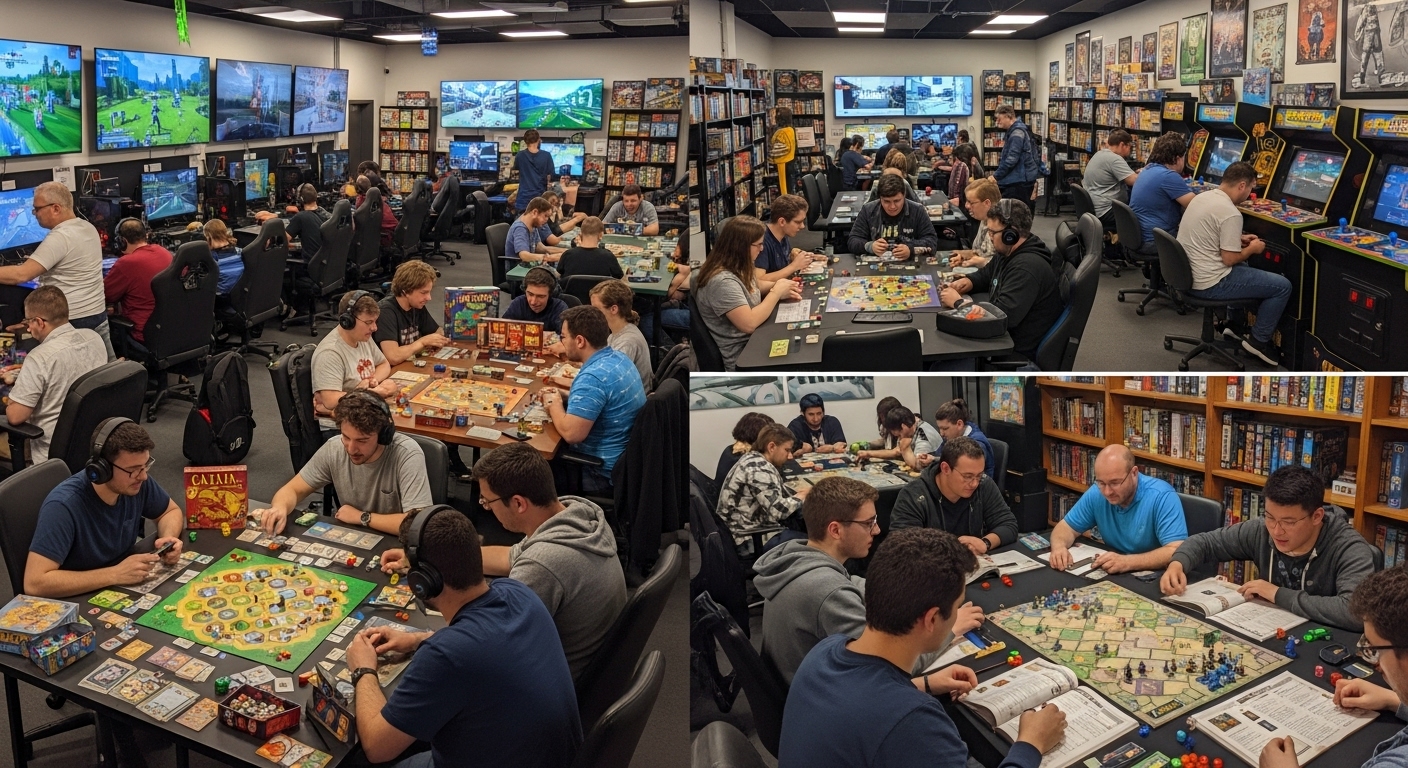
Video games have also become a powerful tool for social connection and community building. Whether it’s joining forces with friends in a cooperative multiplayer game or watching a favorite streamer on platforms like Twitch, gaming has brought people together in ways that go beyond just playing a game.
Esports, or competitive gaming, has emerged as a global phenomenon, with professional players and teams competing for massive prizes in front of millions of viewers. Games like League of Legends, Fortnite, and Overwatch have not only created competitive communities but have also sparked a cultural shift, with gaming now being recognized as a legitimate form of sport.
In addition to competition, gaming communities often foster creativity and collaboration. Games like Minecraft and Roblox allow players to build and share their own creations, from entire cities to intricate puzzles. These platforms have become digital playgrounds for players to experiment, learn, and collaborate with others, contributing to a sense of shared creativity that is at the heart of the gaming culture.
The Future of Gaming: Boundless Opportunities
As technology continues to evolve, so too will the possibilities within the gaming world. The future promises even more immersive experiences, including cloud gaming, which will allow players to access high-quality games on any device, without the need for expensive hardware. Artificial intelligence is also expected to play a significant role in shaping the future of gaming, from smarter NPCs (non-playable characters) to dynamic, AI-driven narratives that adapt to each player’s choices.
Moreover, as virtual and augmented reality technologies continue to improve, we can expect gaming to become even more interactive, realistic, and deeply engaging. The next generation of gaming may include fully immersive worlds where players can interact not just with the game environment, but also with other players in ways that feel as real as life itself.
Conclusion: The Ever-Evolving Digital Landscape
Gaming has come a long way since its early days in the arcades, and it continues to evolve in exciting ways. Whether it’s through the growth of online multiplayer, the rise of mobile gaming, or the promise of VR and AR, the world of gaming is boundless in its potential. As technology advances, so does the depth and richness of the gaming experience, offering players more ways to engage, explore, and connect. In this digital playground, the adventures are endless, and the journey is just beginning.