
Introduction: The Rise of Gaming
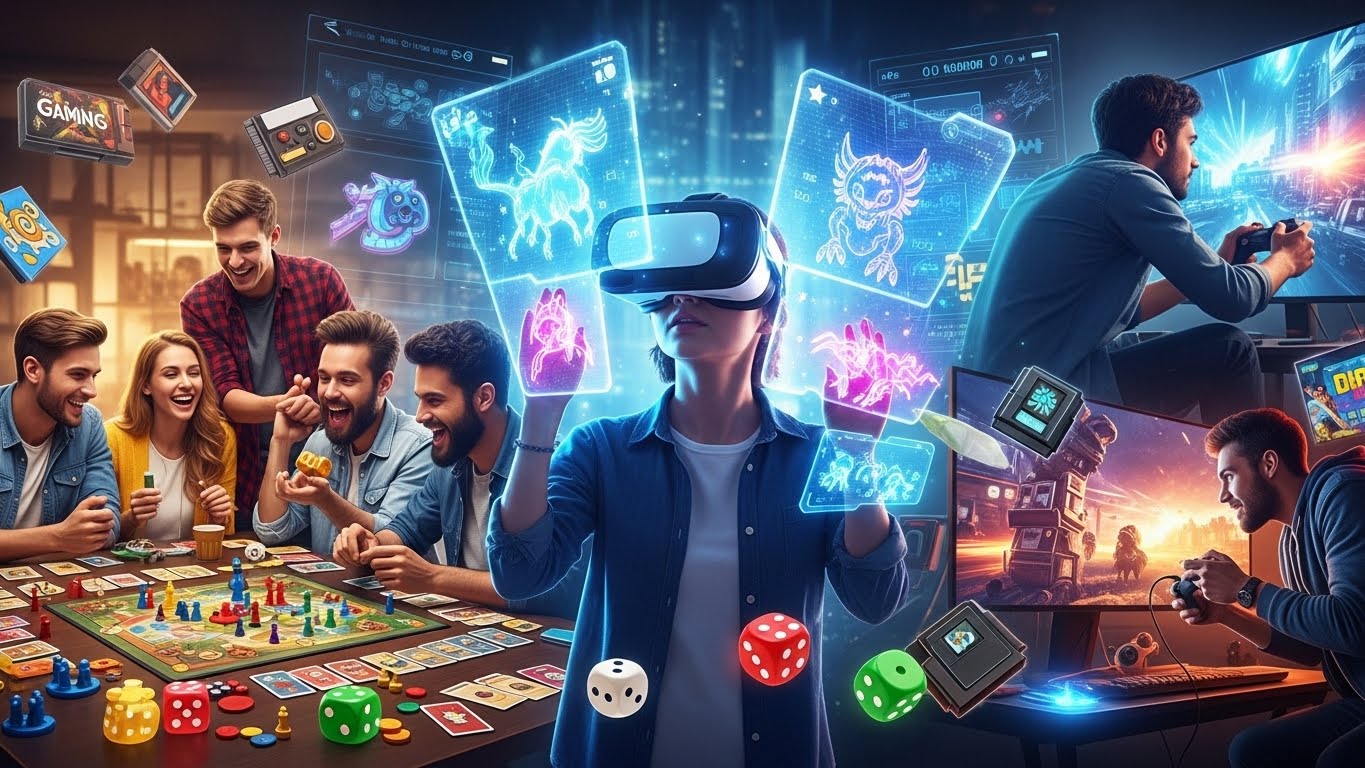
Games have evolved from simple pastimes into a global cultural phenomenon. What once was a hobby enjoyed by children in playgrounds and arcades has transformed into an industry generating billions of dollars and influencing society on multiple levels. Today, gaming is not merely a form of entertainment—it is a medium that shapes creativity, social interaction, problem-solving, and even professional careers. From mobile games to expansive online multiplayer worlds, the world of gaming has grown to encompass diverse experiences that appeal to players of all ages.
The Evolution of Gaming
The history of gaming reflects the evolution of technology and culture. Early video games, like Pong and Space Invaders, were simple yet captivating, introducing the thrill of interactive entertainment. The 1980s and 1990s saw the rise of consoles, home computers, and iconic games that laid the foundation for modern gaming. Games became more complex, visually appealing, and narrative-driven, offering experiences that went beyond simple fun.
The arrival of online gaming marked another milestone, connecting players from different corners of the globe. Multiplayer games created communities, collaborations, and even competitions, turning gaming into a shared social experience. Today, virtual reality, augmented reality, and artificial intelligence promise to push the boundaries of what games can achieve, making them more immersive and interactive than ever before.
Types of Games and Their Appeal
Gaming is no longer a monolithic activity; it spans a wide range of genres and experiences. Each type of game appeals to different aspects of human curiosity, creativity, and challenge.
Action Games: Action games focus on fast-paced gameplay and reflexes, often featuring combat, exploration, or survival elements. These games engage players’ coordination and strategic thinking.
Adventure and Role-Playing Games: These games emphasize narrative and character development, allowing players to immerse themselves in fictional worlds. Role-playing games encourage critical thinking, decision-making, and empathy, as players navigate complex storylines.
Puzzle and Strategy Games: Puzzle and strategy games challenge logic, memory, and planning. They offer mental stimulation and problem-solving satisfaction, making them highly rewarding for players who enjoy intellectual challenges.
Sports and Racing Games: These games simulate real-world activities, from football to Formula One racing. They combine competition, skill development, and a sense of achievement, attracting both casual players and dedicated enthusiasts.
Simulation and Sandbox Games: Games that simulate real-life experiences or provide open-world creativity, such as city-building or life simulation games, empower players to explore possibilities and experiment with creativity in a controlled environment.
Each type of game offers a unique experience, contributing to the diversity and universal appeal of gaming.
Gaming as a Social Experience
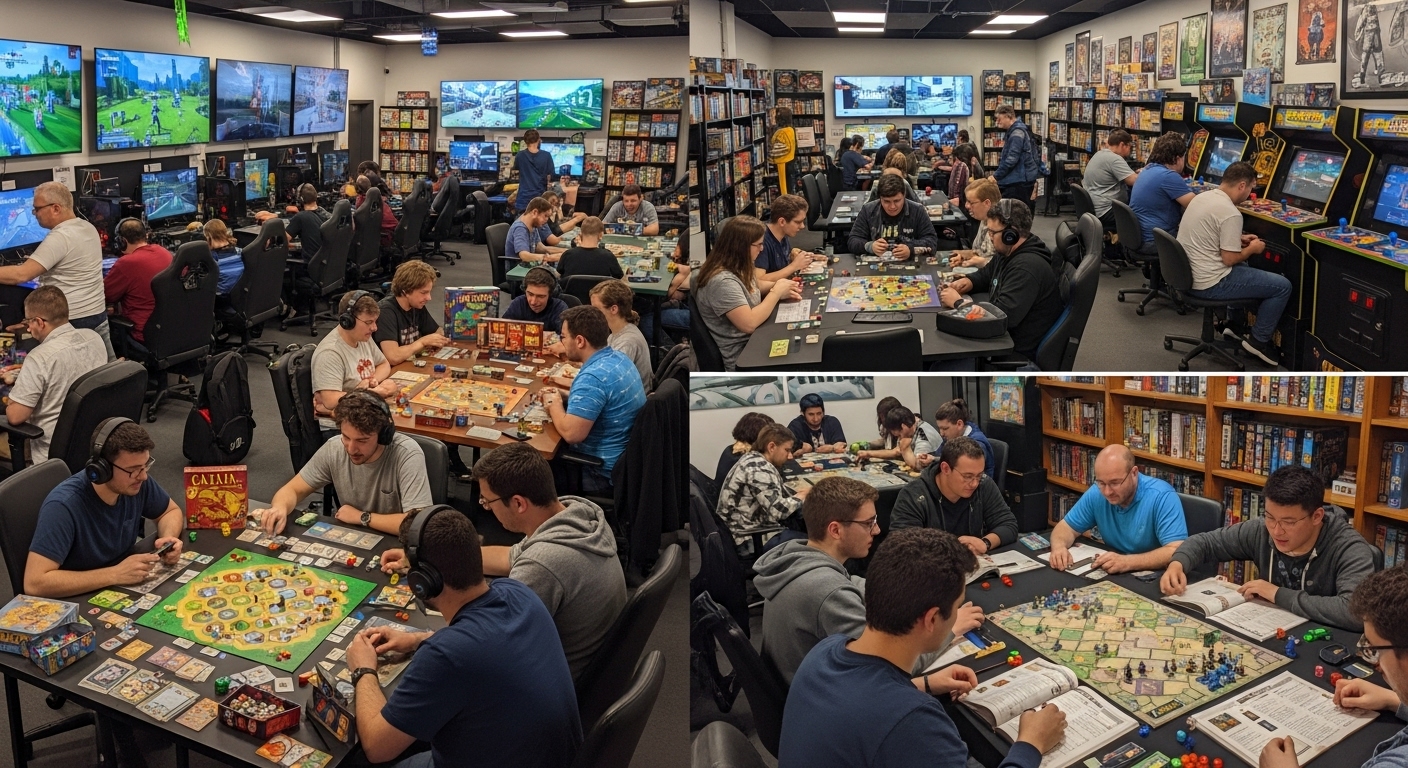
Contrary to the stereotype of the solitary gamer, modern gaming is highly social. Online multiplayer games, cooperative missions, and esports tournaments create communities where players collaborate, compete, and form friendships. Communication, teamwork, and leadership are often required to succeed, making games an avenue for social learning.
Streaming platforms and gaming communities further amplify this social dimension. Players can share experiences, strategies, and achievements with a global audience, turning gaming into a shared cultural phenomenon. Social interaction in gaming extends beyond the screen, fostering friendships, collaboration, and even cross-cultural understanding.
The Psychological and Cognitive Benefits of Gaming
Gaming is not merely entertaining—it also offers significant cognitive and psychological benefits. Studies have shown that games can enhance problem-solving skills, memory, attention, and spatial awareness. Many strategy and puzzle games improve critical thinking and decision-making abilities, while action games can sharpen reflexes and hand-eye coordination.
Beyond cognitive benefits, gaming can support mental health by providing stress relief and emotional engagement. Immersive worlds allow players to temporarily escape from daily pressures, offering relaxation and entertainment in a controlled environment. For many, gaming provides a sense of accomplishment and progression, boosting confidence and motivation.
The Influence of Esports
Esports, or competitive gaming, has emerged as a major component of the gaming industry. Professional players compete in organized tournaments with large audiences and substantial prize money, transforming gaming from a hobby into a legitimate career path. Esports also contributes to the broader recognition of gaming as a serious pursuit, highlighting the skill, strategy, and dedication required to succeed.
Esports tournaments have created global fanbases and media coverage comparable to traditional sports. The rise of professional leagues, sponsorships, and live events has legitimized gaming as a cultural and economic force, further integrating it into mainstream entertainment.
Gaming and Storytelling
One of the most compelling aspects of modern gaming is its capacity for storytelling. Games have evolved into interactive narratives where players are active participants in the story. Unlike movies or books, games allow individuals to shape outcomes, make moral choices, and experience consequences firsthand.
Role-playing and adventure games excel at blending gameplay with narrative, offering emotionally rich experiences. Stories in games can address themes such as heroism, morality, identity, and social issues, providing players with meaningful experiences that go beyond simple amusement. Gaming has become a medium for storytelling that rivals traditional art forms in creativity and impact.
Technology Driving Gaming Innovation
Technological advancements continue to redefine the possibilities of gaming. High-definition graphics, realistic physics engines, and sophisticated artificial intelligence create immersive experiences that were unimaginable decades ago. Virtual reality provides a fully interactive environment, while augmented reality blends digital content with the physical world, allowing players to experience games in entirely new ways.
Cloud gaming is another innovation that removes hardware barriers, allowing players to access high-quality games on a range of devices. These technological shifts not only enhance gameplay but also democratize access, making gaming more inclusive and diverse.
Gaming as an Educational Tool
Beyond entertainment, games are increasingly used as educational tools. Serious games and simulations teach complex subjects, from history and science to teamwork and problem-solving. Educational games engage learners in interactive experiences, making concepts easier to understand and retain.
Gamification, the integration of game elements into non-gaming contexts, further extends the educational potential of gaming. By incorporating rewards, challenges, and progression systems, educators and trainers can make learning more engaging and motivating. In this way, gaming transcends entertainment, becoming a medium for growth and knowledge.
The Cultural Impact of Gaming
Games influence culture in profound ways. They shape language, inspire fashion, and create shared references across generations. Iconic characters, storylines, and game mechanics often find their way into popular culture, from merchandise to movies and music. Gaming communities contribute to creative expression, including fan art, mods, and storytelling extensions that expand the game universe.
Moreover, gaming has become a platform for social commentary, exploring themes such as ethics, diversity, and environmental issues. Through interactive storytelling, players confront societal challenges in a safe yet meaningful way, fostering awareness and empathy.
Challenges and Responsibilities in Gaming
While gaming offers numerous benefits, it also presents challenges. Excessive gaming can lead to health issues such as eye strain, sedentary behavior, and disrupted sleep. Online interactions sometimes expose players to toxicity, harassment, or addictive behaviors. Developers, players, and communities share a responsibility to encourage balanced, healthy gaming habits.
Ethical considerations in game design are also important. Developers must balance entertainment with social responsibility, avoiding content that perpetuates stereotypes or harmful behaviors. Awareness and moderation ensure that gaming remains a positive force rather than a source of harm.
The Future of Gaming
The future of gaming is limitless. Artificial intelligence will create dynamic worlds that adapt to player behavior. Virtual and augmented reality will blur the line between real and digital experiences. Cross-platform connectivity will unite players worldwide, creating truly global communities.
Gaming will continue to integrate with other entertainment forms, such as movies, music, and literature, offering richer, more immersive experiences. It will also expand its educational and professional applications, solidifying its role as a multifaceted medium that entertains, educates, and inspires.
Conclusion: Gaming as a Cultural and Cognitive Force
Games have transcended their status as simple pastimes to become powerful tools of culture, creativity, and cognition. They entertain, challenge, and connect us, reflecting both individual aspirations and societal values. The gaming industry continues to innovate, offering experiences that captivate millions while shaping how we learn, communicate, and imagine.
In the modern world, gaming is more than a hobby—it is a cultural force that influences art, technology, and human interaction. It engages the mind, nurtures creativity, fosters social bonds, and inspires passion. As gaming continues to evolve, it will remain a central part of our lives, shaping the way we play, think, and connect for generations to come.