
Introduction: The Power of Gaming
Video games have grown far beyond a simple pastime to become one of the most influential forms of entertainment worldwide. From the early arcade machines to immersive virtual reality experiences, gaming has shaped culture, technology, and social interactions in profound ways. Today, millions of people across the globe play games on consoles, PCs, and mobile devices, making gaming not only a hobby but a significant industry.
The evolution of games reflects human creativity, technological progress, and cultural shifts. This blog explores the history, impact, and future of gaming, highlighting how games have transformed entertainment, education, and social interaction.
The Evolution of Gaming
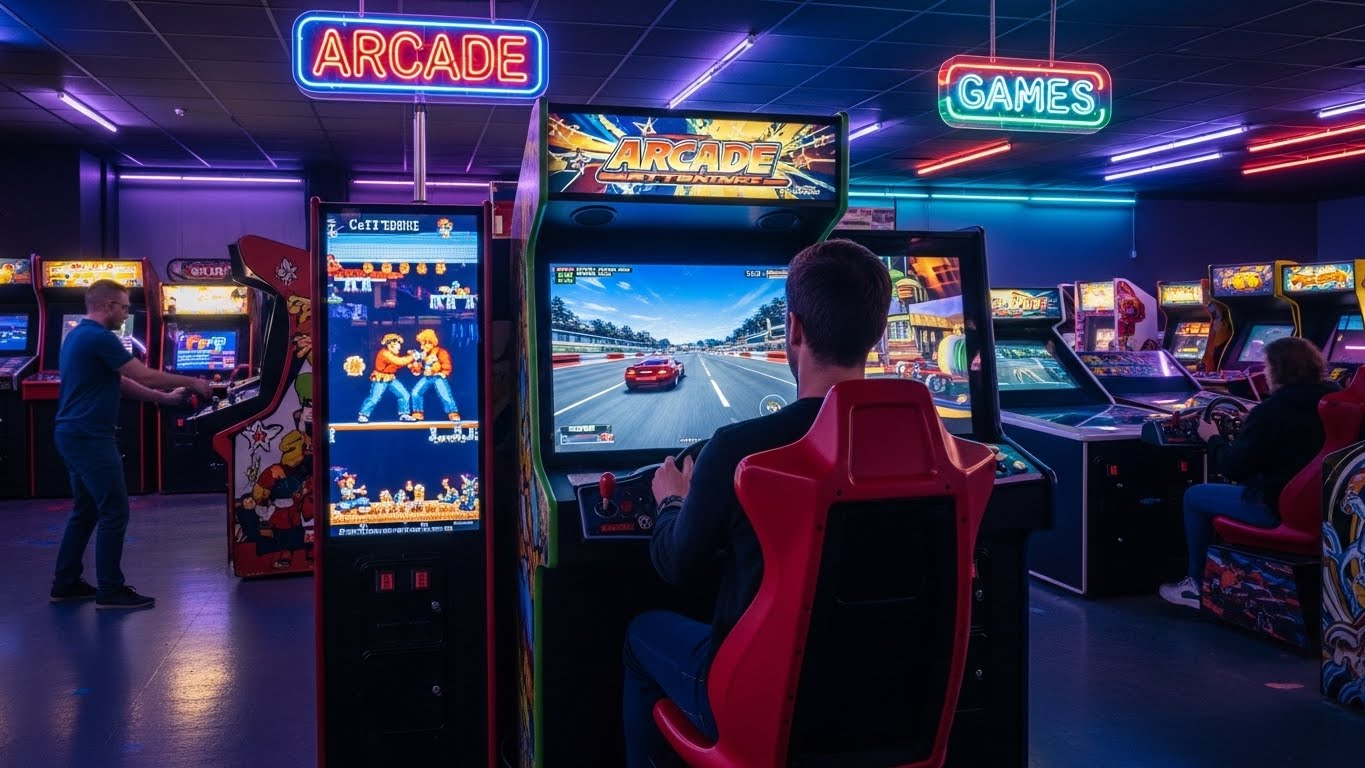
The history of video games dates back to the mid-20th century with experimental titles like “Tennis for Two” and “Pong,” which laid the foundation for modern gaming. Early arcade games became popular in the 1970s and 1980s, introducing competitive gameplay and interactive experiences in public spaces.
The 1980s and 1990s saw the rise of home consoles like the Nintendo Entertainment System and Sega Genesis, bringing gaming into living rooms and making it more accessible. Personal computers added new dimensions with strategy and simulation games, offering deeper storytelling and complex mechanics.
Modern gaming has embraced digital distribution, online multiplayer, and cloud-based services, creating a seamless experience across devices. Today, gaming is not only a form of entertainment but also a medium for storytelling, social interaction, and even professional competition.
Gaming Platforms and Accessibility
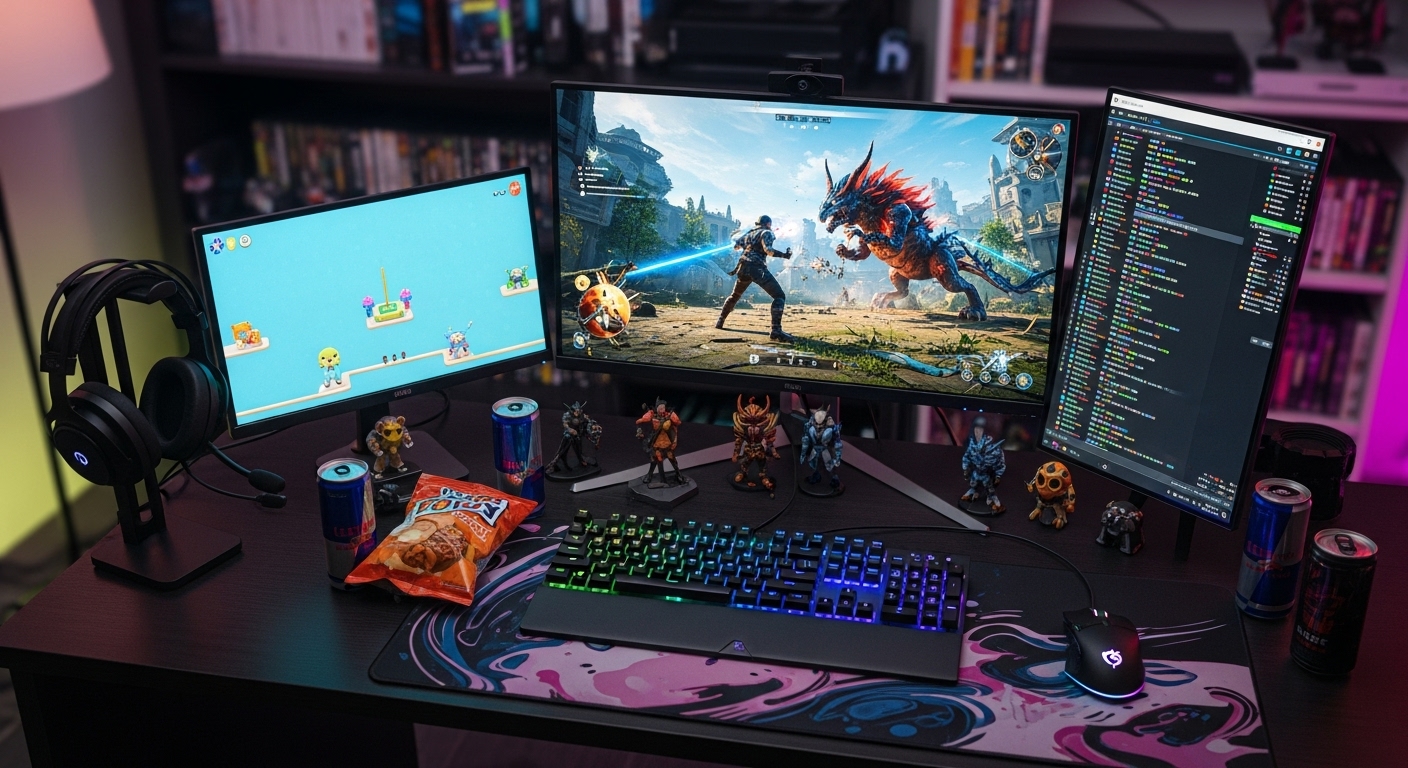
Gaming has become increasingly accessible thanks to various platforms. Consoles, PCs, and mobile devices cater to different audiences and play styles. Consoles offer immersive experiences with high-quality graphics and exclusive titles. PCs provide flexibility, modding communities, and competitive gaming options. Mobile devices allow gaming on the go, attracting casual players and expanding the demographic of gamers worldwide.
Cross-platform gaming has further broken barriers, allowing players on different devices to interact and compete together. Cloud gaming services provide access to high-end games without expensive hardware, making gaming more inclusive than ever. Accessibility and convenience have driven global growth, making gaming a universal form of entertainment.
The Impact of Gaming on Culture
Gaming has become a cultural force, influencing music, film, fashion, and social trends. Iconic games such as “Super Mario,” “The Legend of Zelda,” and “Minecraft” have become cultural touchstones, inspiring creativity, fan communities, and merchandise.
Esports has transformed gaming into a spectator sport, with professional tournaments drawing millions of viewers worldwide. Streamers and content creators have created new entertainment ecosystems around games, blending social media with interactive experiences. Gaming culture encourages collaboration, creativity, and global community-building, demonstrating the power of interactive media to shape modern life.
Storytelling and Creativity in Games
Games are a unique medium for storytelling, combining narrative, interactivity, and player choice. Titles like “The Last of Us,” “Red Dead Redemption,” and “The Witcher” series demonstrate how games can deliver emotionally resonant stories with complex characters and moral dilemmas.
Creative tools within games also allow players to become creators themselves. Sandbox games like “Minecraft” and “Roblox” enable users to design worlds, build structures, and create games within games. This creative potential transforms gaming from passive entertainment to active participation, encouraging imagination and innovation.
Social Interaction and Community Building
Gaming fosters social interaction in ways traditional media cannot. Multiplayer games, online communities, and social features allow players to connect, collaborate, and compete globally. Cooperative gameplay encourages teamwork and communication, while competitive modes challenge players to improve skills and strategize together.
Virtual communities form around shared interests, providing social support, friendship, and a sense of belonging. Events like online tournaments, in-game celebrations, and collaborative challenges create shared experiences that strengthen bonds between players, transcending geographical boundaries.
Educational Potential of Gaming
Beyond entertainment, games have significant educational potential. Serious games, simulations, and educational titles teach skills ranging from problem-solving to strategic thinking. Games encourage critical thinking, decision-making, and creativity, providing interactive learning experiences that traditional methods may lack.
Gamification techniques in education, inspired by game mechanics, have increased student engagement, motivation, and retention. Simulation games in fields like medicine, aviation, and engineering allow learners to practice skills in safe, controlled environments. Gaming demonstrates that fun and learning can coexist, making it a powerful educational tool.
Technological Innovation in Gaming
Gaming drives technological innovation, pushing the limits of graphics, artificial intelligence, physics engines, and virtual reality. Modern games use advanced graphics to create realistic environments, AI to enhance character behavior, and physics simulations for immersive interaction.
Virtual reality and augmented reality have transformed gameplay by creating fully immersive experiences. VR headsets place players inside the game world, while AR games overlay digital elements onto the real world. These technologies not only enhance entertainment but also inspire innovations applicable in education, healthcare, and professional training.
The Economics of Gaming
The gaming industry is one of the largest sectors in global entertainment, generating billions of dollars annually. Revenue comes from game sales, downloadable content, in-game purchases, subscriptions, and esports events. Major franchises and popular titles create entire ecosystems of merchandise, media adaptations, and brand collaborations.
The rise of digital distribution has lowered barriers for indie developers, allowing creative teams to reach global audiences. Crowdfunding, online marketplaces, and community support have democratized game development, fostering innovation and diversity within the industry. Gaming is not only entertainment but also a significant driver of economic growth and technological investment.
Challenges in Gaming
Despite its successes, gaming faces challenges. Addiction, excessive screen time, and online toxicity are concerns that affect players’ mental health and social well-being. Developers and communities are implementing tools for parental controls, moderation, and responsible gaming to mitigate these issues.
Representation and inclusivity are also ongoing challenges. Efforts are being made to diversify characters, stories, and development teams to reflect the global gaming community more accurately. Addressing these challenges ensures that gaming remains a positive and enriching experience for all players.
The Future of Gaming
The future of gaming promises even more innovation. Cloud gaming, artificial intelligence, and advanced graphics will make games more accessible, immersive, and intelligent. Cross-platform integration will allow seamless experiences, and virtual and augmented reality will create worlds that feel as tangible as reality.
Gaming will continue to influence culture, education, and social interaction, offering new ways for people to learn, collaborate, and express themselves. Esports and streaming will expand further, making competitive gaming a mainstream form of entertainment. The potential of games to inspire creativity, foster communities, and drive technological progress ensures that gaming will remain at the forefront of innovation for decades to come.
Conclusion: Gaming as a Cultural and Technological Force
Video games are no longer just a form of entertainment—they are a cultural, social, and technological phenomenon. From storytelling and education to social interaction and technological innovation, gaming has transformed how people experience media, connect with others, and explore creativity.
As gaming continues to evolve, it will shape the future of entertainment, learning, and social interaction. With responsible development, inclusive design, and continued innovation, gaming has the potential to enrich lives, inspire creativity, and build global communities. The evolution of games is a testament to the power of imagination, technology, and human connection, making gaming an integral part of modern culture.