Introduction: The Timeless Appeal of Games
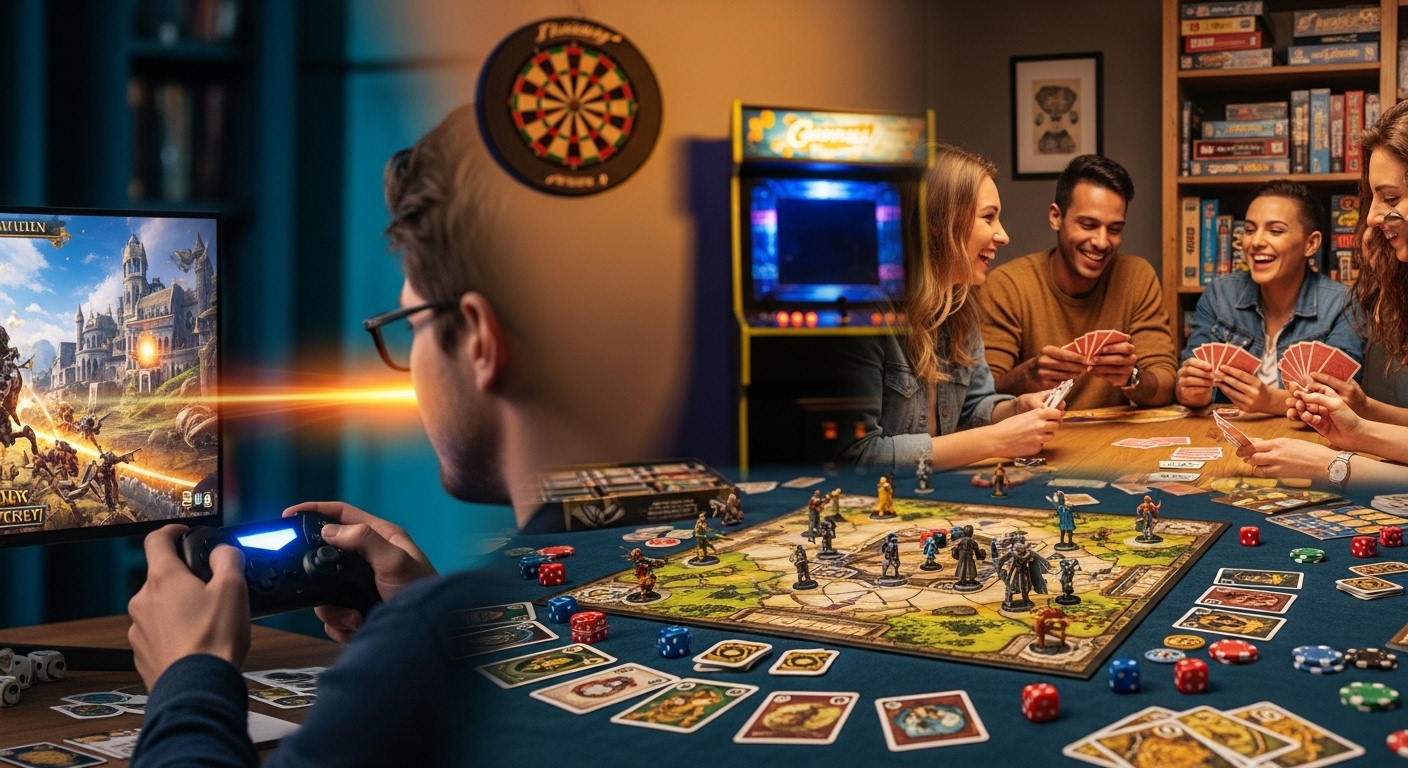
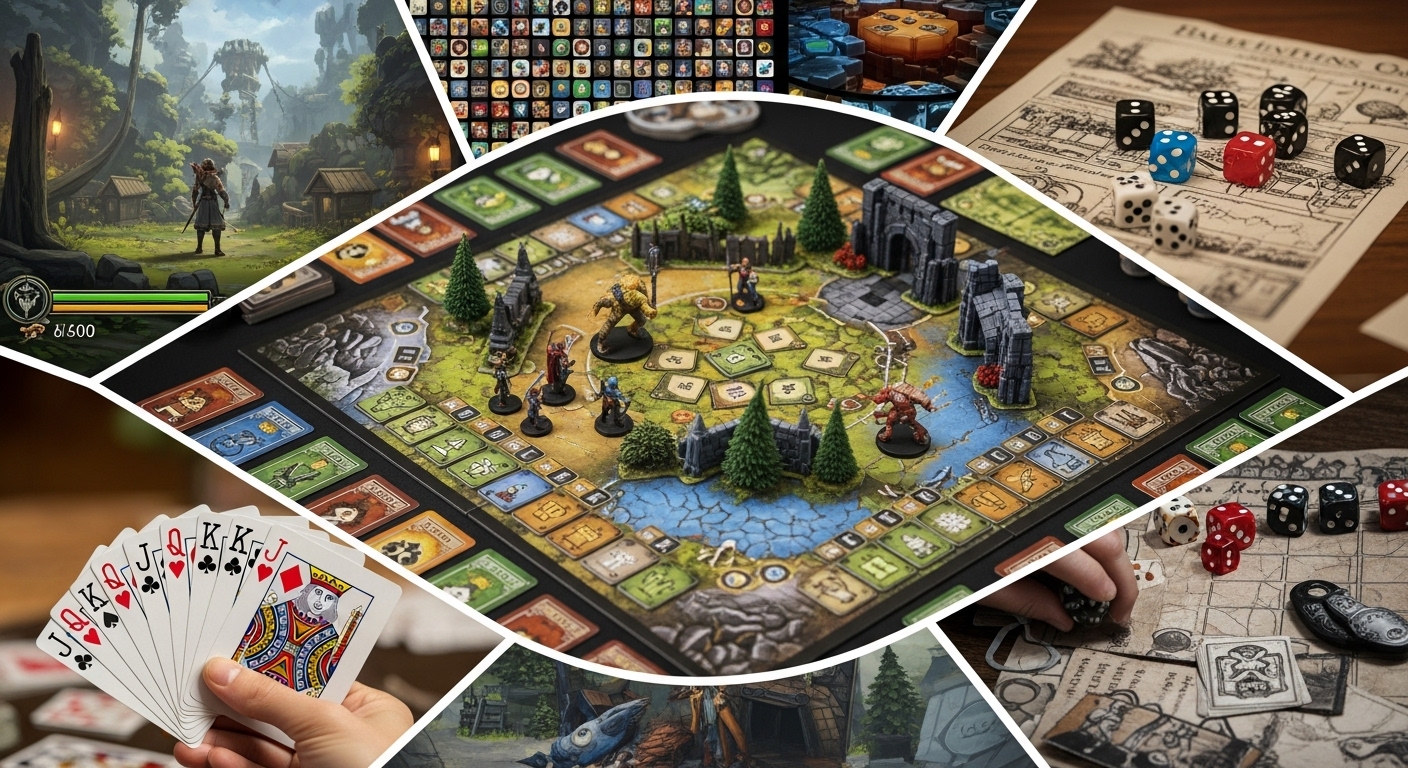
Games have been an integral part of human culture for centuries, serving as a source of entertainment, social interaction, and intellectual challenge. From ancient board games to modern video games, they have evolved to reflect changes in society, technology, and culture. Games are more than just leisure activities; they are experiences that stimulate creativity, critical thinking, and social bonding. Today, the gaming industry spans physical, digital, and interactive platforms, captivating millions of players worldwide. In this blog, we explore the history, types, cultural significance, technological evolution, and future of games.
The Origins of Gaming: From Ancient Pastimes to Modern Entertainment
Games have existed since the dawn of civilization. Archaeological evidence shows that ancient cultures enjoyed board games such as Senet in Egypt and Go in China. These early games served multiple purposes, from education to social bonding, and even spiritual or ritualistic functions.
As societies advanced, games became more structured and widespread. Chess emerged in medieval India and Persia, spreading to Europe, where it became a symbol of strategy and intellectual prowess. Traditional games continued to thrive alongside physical sports, shaping recreational culture and providing frameworks for competition and skill development.
Board Games and Tabletop Entertainment
Board games remain a timeless form of entertainment. Classics such as Monopoly, Scrabble, and Risk have entertained generations, combining strategy, chance, and social interaction.
Tabletop games go beyond mere fun; they encourage critical thinking, teamwork, negotiation, and planning. In recent years, board games have experienced a renaissance with modern strategy games, cooperative games, and role-playing games that engage players in intricate narratives and imaginative scenarios.
Video Games: The Digital Revolution
The rise of video games marked a dramatic transformation in how people play and engage with entertainment. Starting from arcade classics like Pac-Man and Space Invaders, gaming evolved into a complex industry spanning consoles, PCs, and mobile devices.
Video games blend storytelling, interactive design, music, and visual art to create immersive experiences. Popular franchises like Super Mario, The Legend of Zelda, and Grand Theft Auto have shaped the cultural landscape and demonstrated the medium’s narrative and artistic potential. Video games offer players the ability to explore worlds, solve challenges, and express creativity in ways traditional games cannot replicate.
Mobile Gaming: Entertainment on the Go
Mobile technology has revolutionized the gaming industry. Smartphones and tablets allow players to access games anywhere and at any time, making gaming a seamless part of daily life.
Mobile games range from simple puzzle apps to complex multiplayer strategy games. Titles like Candy Crush, Clash of Clans, and Pokémon Go have achieved global popularity, combining accessibility, engagement, and social connectivity. The rise of mobile gaming has broadened the demographic of players, making gaming an inclusive activity across age groups and geographic regions.
The Psychology of Gaming: Why We Play
Games appeal to human psychology by combining challenge, reward, and social interaction. Players are motivated by progression, achievements, competition, and the satisfaction of mastering skills.
Reward systems in games, such as levels, bonuses, and unlockable content, trigger dopamine responses in the brain, creating a sense of accomplishment and motivation. Multiplayer and cooperative games add social layers, fostering community, teamwork, and friendly competition. Understanding why we play highlights the deeper cultural and emotional significance of games.
Esports: Competitive Gaming Goes Global
Esports represents a new frontier in the world of games. Competitive gaming has transformed professional gaming into a global spectacle, with tournaments attracting millions of viewers and substantial prize pools.
Games like League of Legends, Dota 2, Counter-Strike, and Fortnite have created professional leagues where players train rigorously, much like traditional athletes. Esports combines strategy, skill, and teamwork, while live streaming platforms allow fans worldwide to engage with matches in real time. This phenomenon illustrates how gaming has transcended casual entertainment to become a serious profession and cultural force.
The Social Dimension of Games
Games are inherently social, whether played in person or online. Multiplayer games, cooperative missions, and role-playing environments foster interaction and collaboration among players.
Online platforms create communities where players discuss strategies, form teams, and participate in tournaments. Games provide safe spaces for social engagement, friendships, and cultural exchange. The communal aspect of gaming enhances its appeal and establishes it as a medium that connects people globally.
Educational and Cognitive Benefits of Gaming
Beyond entertainment, games offer significant educational and cognitive benefits. Strategy games improve critical thinking and problem-solving skills, while puzzle and logic games enhance memory and attention to detail.
Simulations and role-playing games allow players to experiment with real-world scenarios, develop decision-making abilities, and practice collaboration. Educational games are increasingly used in classrooms to engage students through interactive learning experiences. This demonstrates that games are not only fun but also tools for personal and intellectual development.
Virtual Reality and Augmented Reality in Gaming
Technological advancements like virtual reality (VR) and augmented reality (AR) are transforming the gaming experience. VR immerses players in fully interactive 3D worlds, providing unprecedented levels of engagement. AR overlays digital elements onto real-world environments, blending reality and imagination.
Games such as Beat Saber, Half-Life: Alyx, and Pokémon Go showcase how VR and AR can revolutionize play, making gaming more interactive, physically engaging, and socially connected. These innovations highlight the potential for games to evolve into highly immersive experiences.
Mobile Gaming Trends and the App Economy
The mobile gaming market continues to expand rapidly, driven by app stores and digital marketplaces. Microtransactions, in-app purchases, and freemium models have created new revenue streams for developers while providing players with continuous content and challenges.
Social integration within mobile games enables players to share achievements, compete with friends, and collaborate on challenges. Mobile gaming trends, including cloud gaming and cross-platform play, are shaping the future of digital entertainment and expanding access to diverse audiences worldwide.
Cultural Impact of Games
Games influence culture in profound ways. They inspire movies, television shows, books, merchandise, and social trends. Iconic franchises have become part of the global cultural lexicon, shaping fashion, music, and storytelling across mediums.
Gaming culture also fosters inclusivity and creativity. Online communities allow players to express themselves through avatars, content creation, and collaborative storytelling. Games reflect societal values, inspire innovation, and provide platforms for exploring identity, diversity, and creativity.
Economic Significance of the Gaming Industry
The gaming industry is a global economic powerhouse, generating billions in revenue annually. It supports careers in game development, graphic design, music, software engineering, marketing, and content creation.
Game development drives technological innovation, including AI, graphics engines, and interactive design tools. The industry also fuels related sectors such as streaming services, esports tournaments, merchandise, and online platforms. Its economic impact extends far beyond entertainment, influencing technology, culture, and global markets.
The Future of Gaming
The future of gaming is filled with innovation and limitless possibilities. Cloud gaming, VR and AR experiences, AI-generated content, and cross-platform integration will redefine how games are played and experienced.
Social and immersive gaming experiences will continue to grow, providing players with personalized, interactive, and collaborative environments. The rise of virtual worlds, metaverse concepts, and esports will ensure that gaming remains a central pillar of digital entertainment.
The industry will also prioritize accessibility, inclusivity, and responsible gaming practices, ensuring that players from all backgrounds can participate safely and enjoyably.
Conclusion: Games as a Mirror of Society
Games are more than a pastime; they are a reflection of culture, technology, and human creativity. They provide entertainment, social connection, intellectual challenges, and opportunities for personal growth. From traditional board games to cutting-edge VR experiences, games have evolved alongside society, shaping and being shaped by cultural trends.
As technology advances and global connectivity increases, games will continue to redefine entertainment, offering immersive, interactive, and meaningful experiences. The world of games is a dynamic, ever-evolving playground that captures the imagination, fosters creativity, and connects people across generations and borders.