Games have always been an integral part of human culture, serving as more than just a source of entertainment. From ancient board games and card games to modern video games and mobile apps, the evolution of play has mirrored the development of societies, technologies, and personal experiences. Whether it’s the simple joy of rolling dice, the challenge of strategic thinking, or the immersive experiences of virtual worlds, games have a unique way of connecting people, fostering creativity, and even shaping our understanding of the world.
This blog post explores the timeless appeal of games, delving into their origins, their evolution, and the transformative role they play in our daily lives. We’ll also examine the cultural significance of games, how they foster social bonds, and how they’ve adapted to the digital age. Let’s embark on a journey to understand what makes games so captivating and why they continue to evolve in exciting ways.
The Origins of Games: From Ancient Times to Classic Pastimes
The roots of games stretch back thousands of years, with evidence of early games found in ancient civilizations. In ancient Egypt, for example, games like Senet were played by the Pharaohs and their court as early as 3100 BCE. Senet, a board game of strategy and chance, involved moving pieces around a grid, with players hoping to “win” by navigating obstacles. Similarly, the ancient Mesopotamians enjoyed games like the Royal Game of Ur, a race-based game involving dice rolls that could determine a player’s fate.
In ancient China, games such as Go—one of the oldest and most complex board games in the world—were developed over 2,500 years ago. Go is a game of pure strategy, where players aim to dominate the board by surrounding their opponent’s stones with their own. This emphasis on deep strategic thought made Go a staple of intellectual culture in China, Japan, and Korea, and it remains popular today.
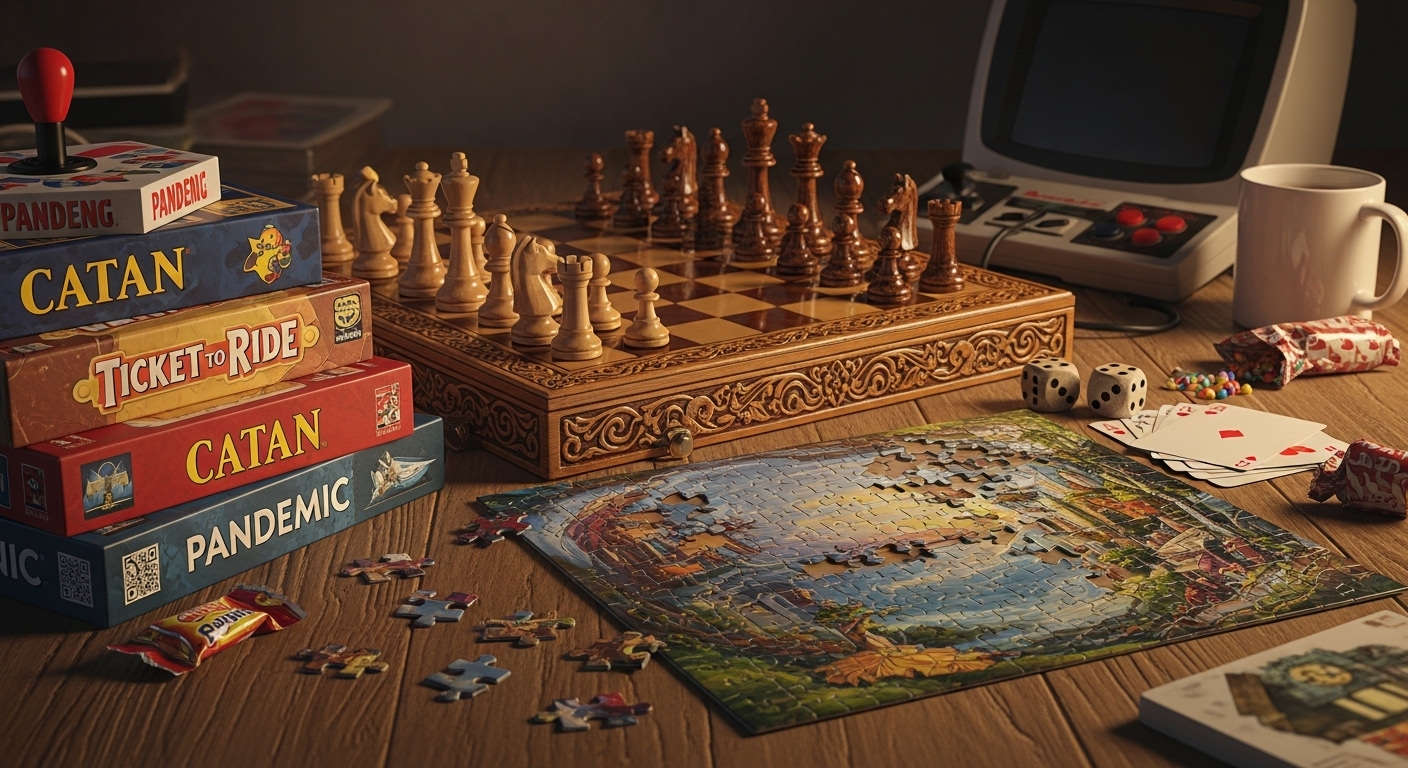
Board games, card games, and dice games have remained prevalent across cultures and epochs, from the ancient world to medieval Europe. Games like chess, backgammon, and cards became staples of social life in many societies, not only providing entertainment but also fostering mental agility, strategic thinking, and social interaction. These early games were much more than pastimes—they were ways to socialize, teach lessons, and engage in friendly competition.
The Evolution of Games: The Rise of Modern Play
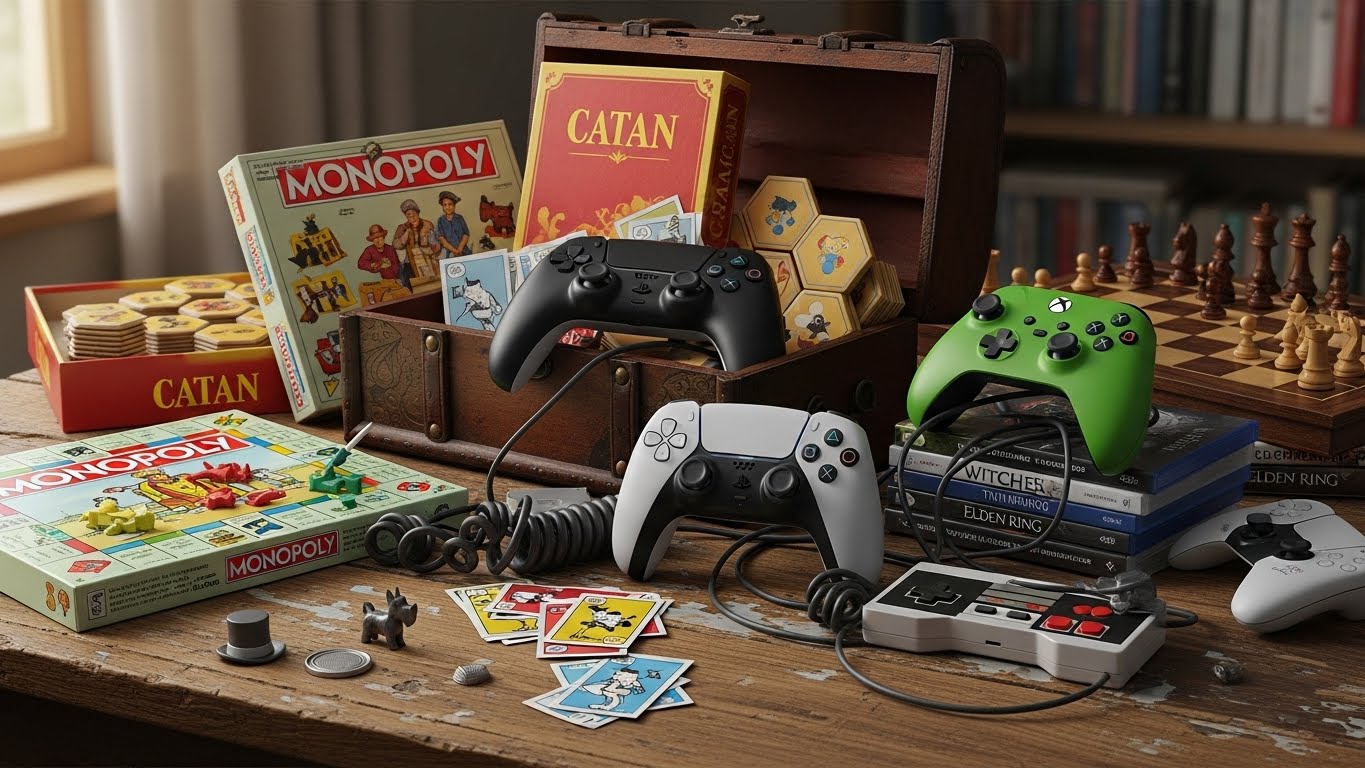
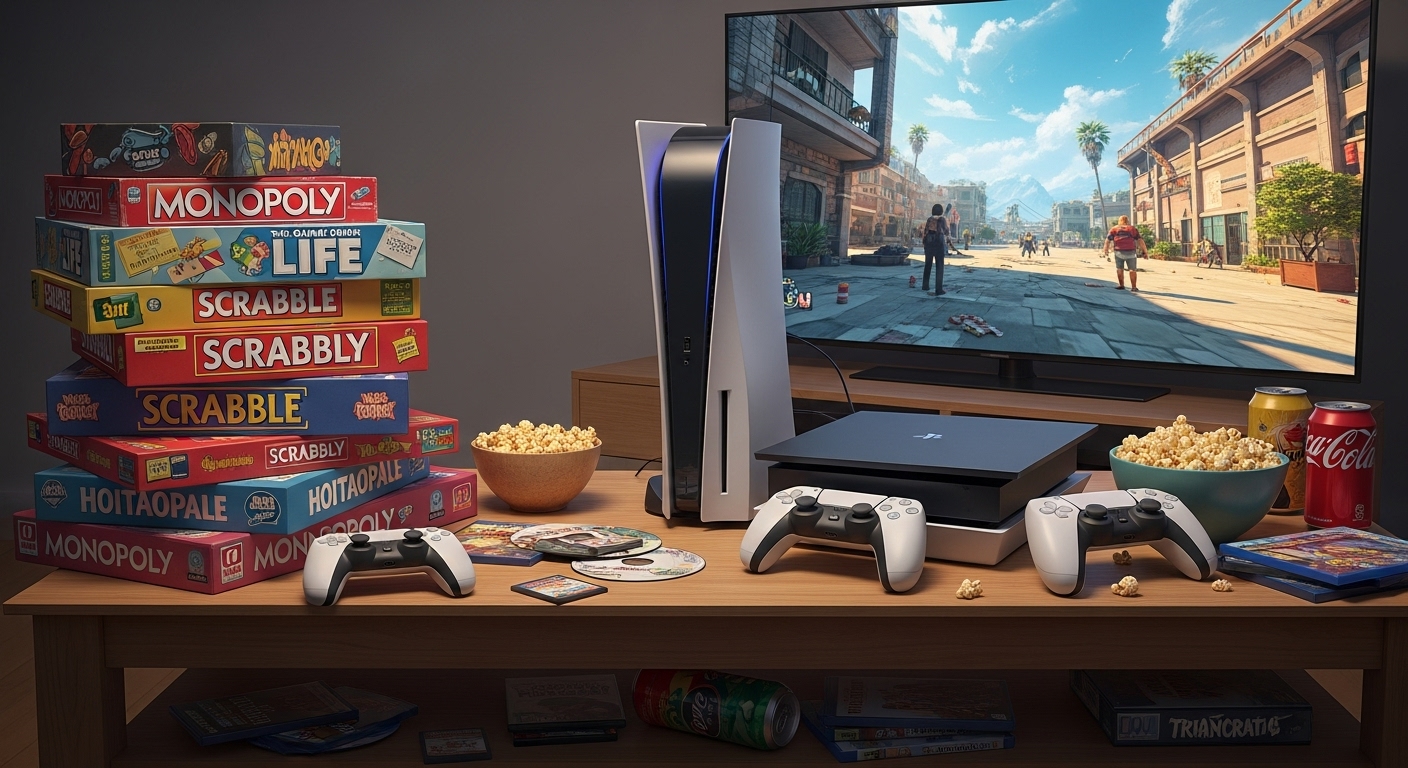
As societies developed and technology advanced, so did the nature of games. The Industrial Revolution and the advent of mass production made it possible for games to be manufactured and sold on a much larger scale. This led to the birth of modern board games like Monopoly, Scrabble, and Clue, which became household names in the 20th century.
Monopoly, first created in the early 1900s, became a symbol of capitalist society, where players bought, sold, and traded property to amass wealth. Games like Scrabble tested players’ vocabulary and spelling, while Clue challenged their ability to deduce who committed the crime, where, and with what weapon. These games captured the imagination of generations of players, offering not just entertainment but also a way to engage in social interaction and cognitive challenges.
The rise of television in the mid-20th century also gave birth to a new form of gaming: game shows. Programs like “Jeopardy!,” “Wheel of Fortune,” and “Family Feud” transformed the way people viewed games. Game shows weren’t just about winning prizes—they became a form of mass entertainment that connected millions of viewers. The excitement of watching contestants compete in real-time sparked a sense of anticipation and social connection for viewers, who often played along from home.
The Digital Revolution: The Rise of Video Games
While traditional games like board games and card games remained popular throughout the 20th century, it was the advent of computers and digital technology that truly revolutionized the world of gaming. The first video games were simple affairs, like Pong and Space Invaders, but these rudimentary games laid the foundation for an entire industry.
In the 1980s, the arcade boom saw the rise of iconic titles like Pac-Man and Donkey Kong, which became cultural phenomena. Players would flock to arcades, inserting quarters into machines to compete for high scores and bragging rights. This early form of digital gaming created a new kind of social space, where players could gather, compete, and socialize around shared experiences.
In the late 1980s and early 1990s, home gaming consoles like the Nintendo Entertainment System (NES) and the Sega Genesis brought video games into the living rooms of millions of households. Suddenly, families could play together, children could enjoy solo adventures, and friends could battle each other in multiplayer games. The world of gaming became more accessible, immersive, and inclusive, paving the way for the massive industry we know today.
With the rise of personal computers, online multiplayer gaming also became a reality. Titles like “World of Warcraft” and “Counter-Strike” introduced the concept of massive online communities where players could team up or compete against each other in virtual worlds. Online gaming transcended geographical boundaries, allowing people from all corners of the world to interact and compete in shared digital environments.
The Social Aspect of Games: Fostering Connection and Community
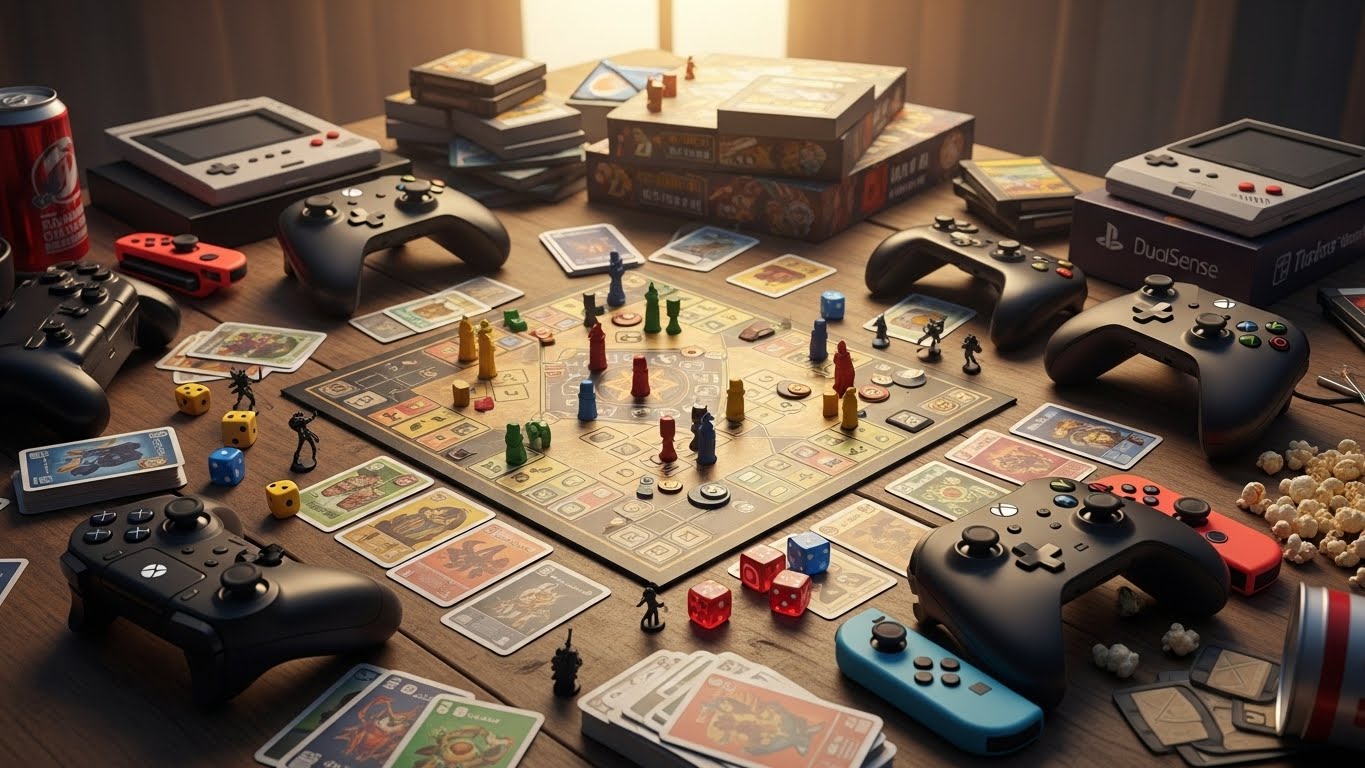
One of the key reasons games have remained so popular is their ability to bring people together. Whether it’s a group of friends gathered around a board game on a rainy afternoon, a family playing a video game together at home, or millions of players teaming up online to conquer a virtual world, games have an inherent social aspect that creates bonds between individuals.
In the case of online multiplayer games, the sense of community is even stronger. Titles like “League of Legends,” “Fortnite,” and “Apex Legends” have turned gaming into a social activity that extends far beyond the game itself. Players communicate through voice chat, form teams and guilds, and develop friendships that span across countries and cultures. These online gaming communities often host tournaments, offer in-game rewards, and create social events that allow players to interact and forge long-lasting connections.
Gaming conventions like E3 (Electronic Entertainment Expo), PAX (Penny Arcade Expo), and BlizzCon are further testament to the unifying power of games. These events draw thousands of gaming enthusiasts who share a common love for gaming culture, meet game developers, and celebrate the latest trends in gaming. The shared experience of attending these events fosters a sense of belonging and excitement, creating lifelong memories for fans and developers alike.
The Impact of Mobile Gaming: Games in the Palm of Your Hand
The rise of smartphones and tablets in the 21st century has drastically changed the landscape of gaming. Mobile gaming, or gaming on portable devices like smartphones, has grown to become one of the largest sectors of the gaming industry. What was once confined to consoles or personal computers is now accessible to anyone with a smartphone.
Mobile games like “Angry Birds,” “Candy Crush,” and “Clash of Clans” have become household names, attracting millions of players who enjoy quick, casual gaming sessions. The appeal of mobile games lies in their accessibility; they can be played anywhere, anytime, and require little more than a few minutes to get started. These games often offer in-app purchases or advertising revenue models, making them highly profitable for developers.
Mobile gaming has also made gaming more inclusive, reaching demographics that may not have previously considered themselves gamers. Casual players, such as older adults and people who may not have access to traditional gaming consoles, have embraced mobile gaming as a fun and accessible way to pass the time.
The Psychological Benefits of Games: More Than Just Fun
While games are often seen as forms of entertainment, they also offer a host of psychological benefits. Studies have shown that games can improve cognitive abilities, such as problem-solving, spatial awareness, and memory. Strategy games, puzzles, and brain-training apps are particularly effective at enhancing mental agility and critical thinking skills.
Video games, in particular, have been found to improve hand-eye coordination and reaction times. Action-packed games, like first-person shooters or racing games, require players to quickly process information and make decisions, leading to enhanced reflexes and concentration. These skills can even translate to real-world activities, such as driving or multitasking.
Moreover, games can offer a sense of accomplishment and reward. Achieving goals, leveling up, or completing challenges can provide players with a sense of progression and satisfaction. For many, gaming is a way to unwind, escape stress, and engage in an activity that offers both challenge and reward.
The Future of Games: Trends and Innovations to Watch
As technology continues to evolve, so too does the world of games. The future of gaming holds exciting possibilities, with advancements in virtual reality (VR), augmented reality (AR), artificial intelligence (AI), and cloud gaming all set to transform the gaming experience.
Virtual reality has the potential to offer fully immersive gaming experiences, where players can physically interact with the game world. Imagine stepping into a medieval fantasy world or exploring the far reaches of outer space, all from the comfort of your home. Augmented reality, on the other hand, allows players to interact with digital elements in the real world, such as in games like “Pokémon GO,” where players hunt for virtual creatures in real-world locations.
Artificial intelligence is also reshaping how games are designed. AI-driven non-player characters (NPCs) are becoming more sophisticated, offering dynamic interactions that make virtual worlds feel more alive and responsive. Cloud gaming is making gaming more accessible by allowing players to stream games directly from the cloud, bypassing the need for expensive hardware.
The rise of esports, or competitive gaming, is another exciting development. Professional gamers are now competing in tournaments with massive cash prizes, and esports has even been recognized as a legitimate sport in some countries. The growth of esports has transformed gaming from a hobby into a career, with players, coaches, and commentators becoming celebrities in their own right.