Introduction: The Universality and Power of Games
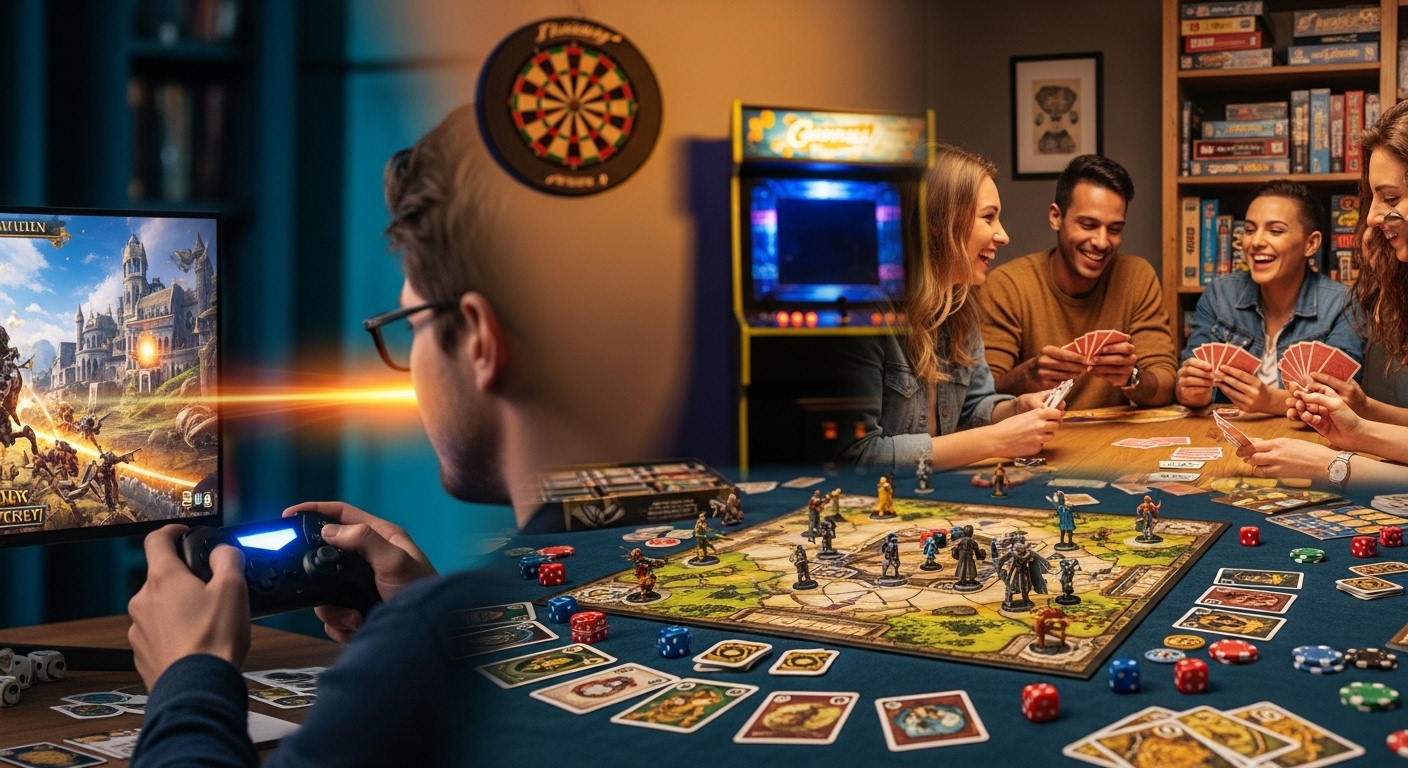
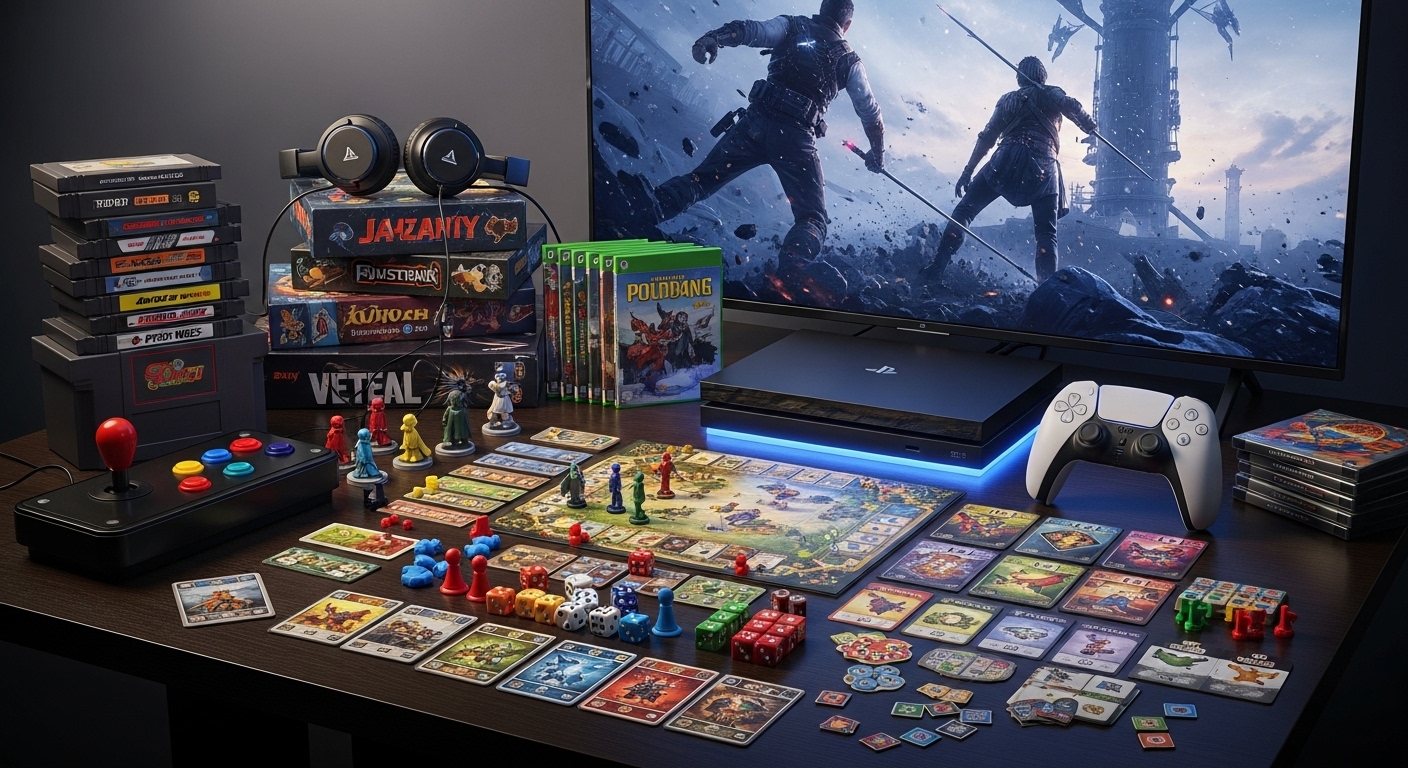
Games have been an integral part of human life for centuries, bridging cultures, ages, and social classes. From ancient board games to sophisticated virtual worlds, they offer more than just entertainment. Games are a reflection of human creativity, intellect, and competition. They hold the power to engage minds, foster social connections, and even drive educational and cultural development. In today’s digital era, games are not merely an escape from reality—they are an essential part of our social fabric, with the ability to influence how we communicate, learn, and experience the world around us. This blog explores how games have evolved and their impact on our lives, both as a source of entertainment and as tools for learning and personal development.
The Origins of Games: A Journey Through Time
The concept of games stretches back to ancient history, where they were not only forms of entertainment but also vehicles for teaching life skills and moral lessons. Ancient civilizations used games to challenge their minds and demonstrate status. Games like Senet from ancient Egypt, Go from China, and Chess from Persia all trace their roots to cultures that valued strategy, intellect, and social interaction. These games weren’t just pastimes; they were reflections of philosophical, military, and spiritual beliefs.
Senet, for example, is one of the oldest known board games, dating back to around 3100 BCE. It was associated with the journey of the soul in the afterlife, highlighting how games were linked to spiritual beliefs. Meanwhile, Go, a game originating in China around 2,500 years ago, is a game of strategy and tactics, demonstrating the importance of patience, foresight, and planning. Over time, games evolved into tools for education and strategic thinking, laying the foundation for the gaming world we know today.
The Evolution of Video Games: From Arcades to Home Consoles
The 20th century marked a transformative period for gaming, as technology advanced and video games became a mainstream form of entertainment. The birth of video games can be traced back to the 1950s, but it was the 1970s that saw the emergence of arcade games like Pong by Atari, which was a milestone in the history of gaming. Pong wasn’t just a hit; it was a social experience, inviting players to compete against one another in arcades across the country. The social element of gaming was born here—players could gather, compete, and socialize around a common interest.
The 1980s marked the rise of home consoles, with systems like the Atari 2600 and the Nintendo Entertainment System (NES) allowing gamers to play at home. Home consoles brought gaming to the living room and revolutionized how people experienced video games. Iconic characters like Mario, Zelda, and Donkey Kong became household names, signaling the start of a new era in gaming. The appeal of these games was not just in the fun of play, but in their ability to tell stories, offer challenges, and provide a sense of accomplishment.
By the 1990s, the gaming world had undergone another leap forward with the advent of 3D graphics and more immersive gameplay. The Sony PlayStation and Nintendo 64 brought more sophisticated gaming experiences to the market, with titles like Final Fantasy VII and Super Mario 64 setting new standards in graphics, gameplay, and storytelling. The 1990s also saw the beginning of online multiplayer gaming, allowing players to connect with others around the world for the first time.
The Internet Age: Connecting Gamers Globally
With the rise of the internet in the late 1990s and early 2000s, online gaming became a dominant force in the industry. Games like Warcraft and StarCraft introduced the concept of massive multiplayer online games (MMOs), where players from across the globe could connect, play, and collaborate in virtual worlds. This era of gaming made it possible for people to form relationships and communities based on shared gaming experiences, transcending geographic boundaries.
Multiplayer games like Counter-Strike, World of Warcraft, and League of Legends brought competitive gaming to new heights. Esports, once a niche hobby, grew into a billion-dollar industry, with professional players, teams, and tournaments attracting millions of viewers worldwide. The rise of live-streaming platforms like Twitch and YouTube has further fueled this global gaming culture, allowing players to broadcast their gameplay and interact with viewers in real time. These platforms have turned gaming into more than just a hobby—it has become a global phenomenon, with some gamers earning millions of dollars in sponsorships, prizes, and ad revenue.
In parallel, gaming communities began to thrive on forums, social media, and dedicated websites, where players could share strategies, tips, and experiences. The social aspect of gaming, once confined to the living room or arcade, has now expanded into an online realm where millions of players can connect, collaborate, and compete together.
Mobile Gaming: Bringing Games to Your Pocket
In the 2000s, the launch of smartphones marked another significant turning point for the gaming industry. With mobile gaming, video games became more accessible than ever before. People no longer had to own a console or PC to enjoy games—they simply needed a smartphone. The convenience and portability of mobile gaming revolutionized the industry, attracting millions of new players, many of whom had never considered gaming before.
Games like Angry Birds, Candy Crush Saga, and Clash of Clans took the mobile gaming world by storm. These games were designed to be played in short bursts, making them perfect for people with busy lifestyles. Casual games became the norm, with millions of people spending their free time engaging in simple yet addictive gameplay. But mobile gaming isn’t limited to casual play. Titles like Pokémon GO and PUBG Mobile have demonstrated that mobile devices can also support complex, immersive experiences, with augmented reality (AR) and multiplayer features adding new dimensions to gameplay.
The rise of mobile gaming has also brought new opportunities for indie developers. Mobile platforms like the Apple App Store and Google Play have made it easier for independent creators to distribute their games to a global audience. This democratization of game development has led to a wave of innovative, creative, and experimental titles that may not have found success in traditional gaming markets.
The Cultural Impact of Gaming
Games have always been a reflection of the society in which they are created. From their humble origins as tools for intellectual development to their current status as a dominant force in global entertainment, video games have grown to influence and shape cultural trends. Today, gaming is intertwined with music, movies, and television, and has a profound impact on other forms of entertainment.
Gaming has also become a platform for social and political discourse. Games like The Last of Us Part II and Life is Strange have tackled complex issues such as identity, morality, and mental health, encouraging players to engage with meaningful, often difficult, topics. The ability of games to tell stories and tackle real-world issues has positioned them as a form of media capable of sparking conversation and reflection.
Furthermore, games have evolved into a major cultural and social connector. The global gaming community is diverse, with players from every corner of the world coming together in online spaces. Esports, gaming conventions, and live-streaming platforms have created a sense of belonging and camaraderie among players, who bond over their shared love of games. The development of in-game social spaces and multiplayer modes has allowed people to form lasting friendships and communities based on common interests.
The Educational Potential of Games
Beyond entertainment, games have become powerful tools for education and cognitive development. Gamification, the use of game mechanics in non-game contexts, has been widely adopted in schools, workplaces, and even healthcare. The interactivity, feedback systems, and rewards built into games make them engaging and effective for teaching and learning.
Games like Minecraft and SimCity have been used in classrooms to teach subjects like mathematics, architecture, and economics. Minecraft, in particular, offers an open-world sandbox environment where students can collaborate to build structures and solve problems. This encourages creativity, teamwork, and critical thinking. Additionally, role-playing games (RPGs) like The Elder Scrolls and Mass Effect offer rich storytelling experiences that help players develop empathy, decision-making skills, and moral reasoning.
Research has also shown that gaming can enhance skills like problem-solving, memory, and concentration. Certain genres, such as puzzles and strategy games, have been proven to improve cognitive function and decision-making abilities. Even action-packed games like Call of Duty and Fortnite can improve hand-eye coordination and reflexes. These cognitive benefits, combined with the sense of achievement and mastery that comes from completing challenges, make games a valuable tool for personal development.
The Future of Gaming: Virtual Reality, AI, and Beyond
As technology continues to advance, the future of gaming looks increasingly exciting. Virtual reality (VR) and augmented reality (AR) are two areas that are set to revolutionize gaming even further. VR headsets, such as the Oculus Rift and PlayStation VR, are already offering players a more immersive experience, allowing them to step inside digital worlds and interact with their environments in ways that were once thought impossible.
Artificial intelligence (AI) is also playing an increasingly important role in shaping the future of games. AI is being used to create more realistic non-playable characters (NPCs), improve game environments, and even generate dynamic storylines that adapt to players’ choices. With AI, games are becoming smarter and more responsive, offering players experiences that feel personalized and unique.