Introduction: The Universal Language of Play
Games have always been a part of human life. From ancient board games carved into stone to high-tech virtual worlds powered by artificial intelligence, the act of playing has connected generations across cultures and time. Games are not just a form of entertainment; they are a reflection of human creativity, competition, and curiosity. They challenge our minds, test our reflexes, and inspire our imagination. In today’s digital era, games have evolved far beyond the playground or living room—they have become global phenomena shaping culture, technology, and even economies.
The Ancient Origins of Gaming
Long before video game consoles or mobile apps existed, people played games to learn, bond, and compete. Archaeological evidence shows that board games like Senet in ancient Egypt and Go in ancient China were popular thousands of years ago. These games were not only pastimes but also social rituals and educational tools that taught strategy, patience, and foresight.
In medieval times, card games and dice brought excitement to gatherings and courts, blending chance and skill. These early games laid the foundation for what would eventually become an entire global industry. The human fascination with play has remained constant, even as the tools and technologies have changed.
The Birth of Video Games
The modern gaming revolution began in the mid-20th century with the creation of simple electronic games. What started with experiments like “Tennis for Two” and “Spacewar!” in the 1950s and 1960s led to the birth of arcade classics such as Pong and Pac-Man in the 1970s. These early innovations turned gaming into a public spectacle, filling arcades with flashing screens, cheering players, and the thrill of competition.
The 1980s marked the golden age of gaming. Home consoles like the Atari 2600 and the Nintendo Entertainment System brought gaming into living rooms, introducing characters such as Mario, Link, and Donkey Kong who would become cultural icons. Games began to tell stories, immerse players in imaginative worlds, and spark communities that stretched across continents.
The Digital Revolution of the 1990s and 2000s
As technology advanced, so did the scope of games. The rise of personal computers in the 1990s gave birth to genres like real-time strategy, simulation, and first-person shooters. Titles such as Doom, StarCraft, and The Sims redefined what games could be, emphasizing creativity, competition, and storytelling.
The introduction of 3D graphics revolutionized game design, creating worlds that felt increasingly realistic. Players were no longer limited to side-scrolling adventures—they could explore fully interactive environments that mimicked reality. Multiplayer gaming became more prominent, as internet connectivity allowed friends and strangers alike to compete and cooperate in shared digital spaces.
The 2000s saw the rise of online gaming as a mainstream activity. Consoles like PlayStation and Xbox connected millions of players across the globe, while PC gaming continued to grow through online platforms and downloadable content. Games were no longer just solitary experiences—they became social hubs where communities flourished.
The Era of Mobile and Casual Gaming
The introduction of smartphones in the late 2000s marked a major turning point in gaming history. Suddenly, games were no longer confined to consoles or PCs—they were accessible in everyone’s pocket. Titles like Angry Birds, Candy Crush, and Clash of Clans turned gaming into a universal pastime.
Mobile gaming broke barriers by appealing to players of all ages and backgrounds. It required no special equipment, just a device most people already owned. This accessibility led to an explosion of creativity as developers experimented with new formats, mechanics, and storytelling styles. Casual gaming became a cultural norm, transforming how society viewed video games.
The Rise of Esports and Competitive Gaming
What once began as a friendly pastime has now evolved into a global competitive industry known as esports. Professional gamers train for hours daily, mastering their craft in titles like League of Legends, Counter-Strike, and Dota 2. These tournaments attract millions of viewers and offer prize pools worth millions of dollars.
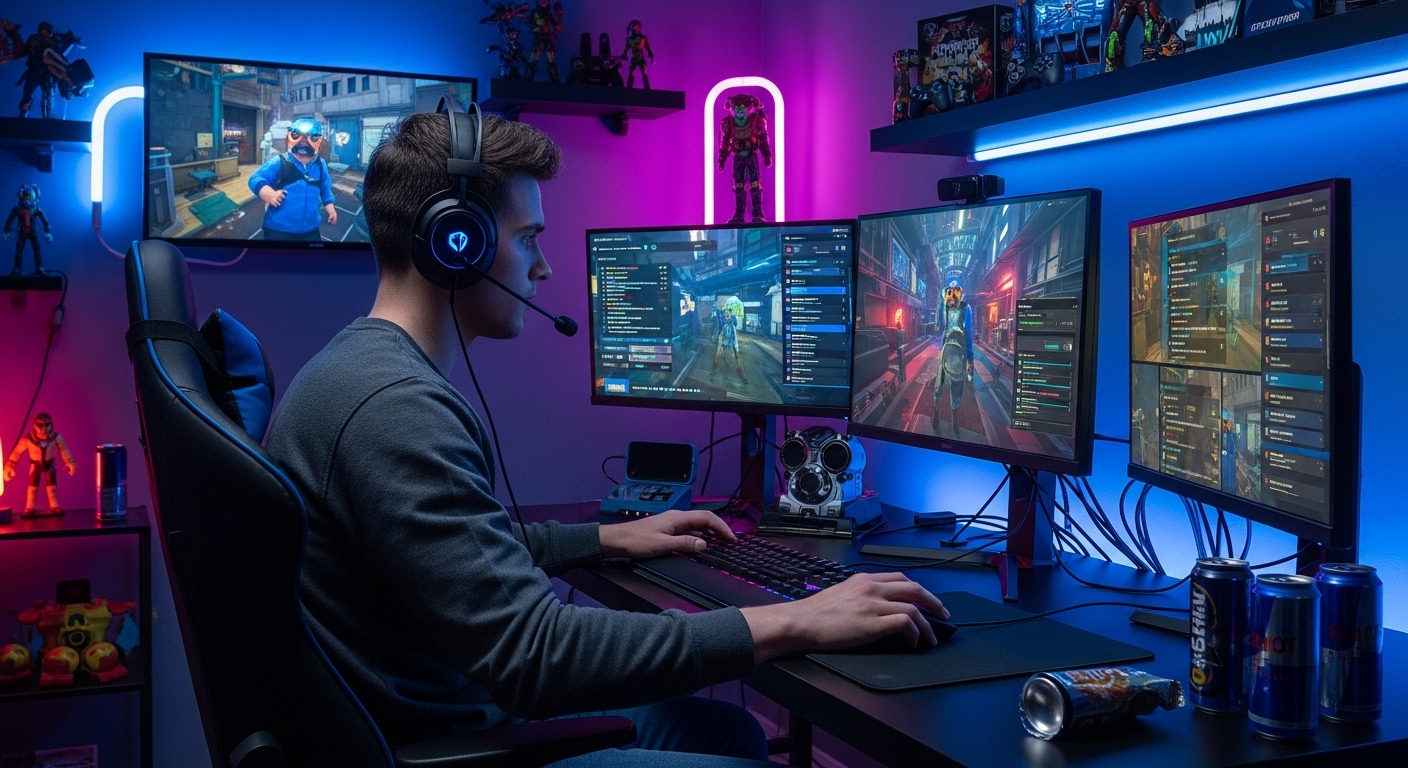
Esports has turned gaming into a legitimate career path, complete with sponsorships, fanbases, and dedicated training facilities. Streaming platforms have further fueled its growth, allowing players to share their gameplay and connect with audiences in real time. The line between player and performer has blurred, giving rise to a new kind of celebrity—the gamer.
The Social Power of Gaming Communities
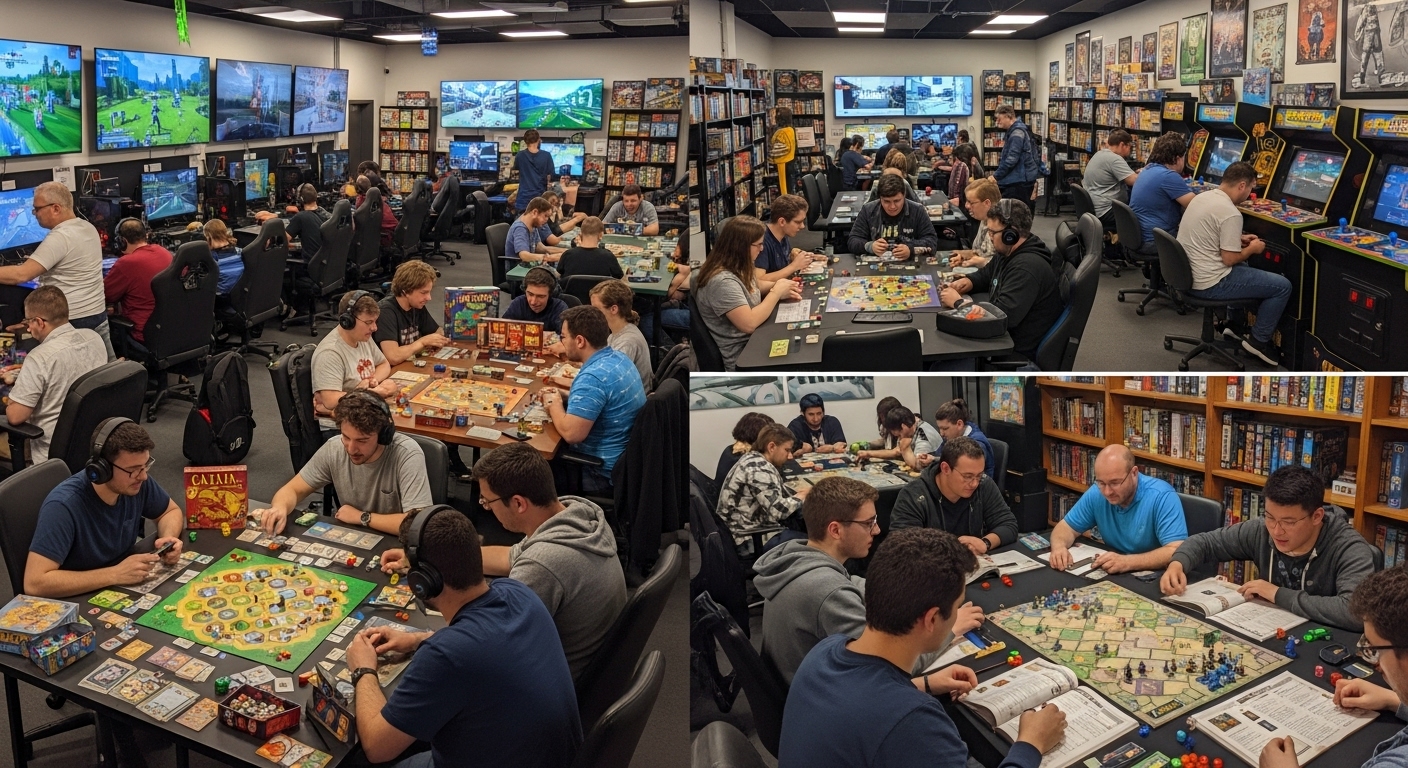
One of the most powerful aspects of gaming is its ability to bring people together. Online multiplayer games and social platforms have created digital communities where friendships form and collaboration thrives. Players unite to achieve common goals, compete in teams, or simply share experiences.
These virtual worlds often become safe spaces for self-expression and creativity. Games like Minecraft and Roblox allow players to build, create, and explore without limits, while massive multiplayer online games create living, breathing universes where people can interact as unique avatars.
Beyond entertainment, gaming communities have demonstrated their power for positive change. Charity streams, community-driven events, and inclusive initiatives have shown that gaming can unite people across borders and backgrounds for shared causes.
The Artistic Side of Games
Games have evolved into one of the most dynamic forms of art in the modern era. They combine visual design, music, narrative, and interactivity into a single experience. Game developers are not just programmers—they are storytellers, composers, and artists crafting emotional journeys.
Cinematic titles like The Last of Us, Journey, and Red Dead Redemption showcase the storytelling potential of games. They explore complex themes such as love, loss, and morality, proving that video games can evoke the same emotional depth as films or literature. The artistry of game design extends beyond graphics and sound—it lies in how players interact with the world, make choices, and experience consequences.
The Psychology of Play
Why do humans love games so much? The answer lies in psychology. Games satisfy fundamental human needs such as achievement, connection, and curiosity. They reward progress, encourage problem-solving, and provide a sense of purpose.
Moreover, games serve as a powerful stress reliever. In a world where daily life can be overwhelming, games offer an escape—a place where players can control outcomes, experiment freely, and experience adventure without real-world risks. Studies have shown that moderate gaming can improve cognitive function, reaction time, and teamwork skills.
However, balance is key. Excessive gaming can lead to unhealthy habits, which is why many platforms now emphasize responsible play. Setting boundaries and using games as a tool for learning, creativity, or relaxation ensures a positive experience for players of all ages.
The Role of Technology in Shaping the Future of Gaming
Technology continues to redefine what games can be. Virtual reality and augmented reality have introduced immersive experiences that blur the line between the digital and physical worlds. Players can now step inside the game, interact with environments naturally, and feel as though they are part of the story.
Artificial intelligence is transforming game development by creating smarter opponents, adaptive gameplay, and realistic environments. Cloud gaming has made high-quality titles more accessible, eliminating the need for expensive hardware. With 5G networks, multiplayer gaming is becoming faster, smoother, and more responsive than ever before.
The future of gaming may also lie in the metaverse—a vast interconnected network of virtual worlds where users can play, socialize, and create. The idea of persistent digital universes where players can carry their identities and assets across different games is rapidly becoming reality.
Gaming as a Career and Industry
Today, gaming is not just a hobby; it is a thriving industry that supports millions of careers. Developers, designers, writers, artists, and content creators contribute to a global economy worth hundreds of billions of dollars. The rise of game streaming and content creation has turned many gamers into influencers with global audiences.
Educational institutions are even incorporating game design and esports management into their curriculums, preparing students for careers in this rapidly expanding field. From coding to storytelling, the gaming industry offers diverse opportunities that combine creativity and technology.
Games and Education: Learning Through Play
Games are powerful educational tools that make learning engaging and interactive. Educational games teach problem-solving, critical thinking, and teamwork in ways traditional methods cannot. Students can explore history through simulation games, practice mathematics through puzzles, or learn coding through interactive challenges.
Gamification, the use of game design principles in non-game contexts, has transformed fields such as education, fitness, and workplace training. By rewarding progress and encouraging participation, gamification enhances motivation and engagement in everyday tasks.
Challenges Facing the Gaming Industry
Despite its success, the gaming industry faces ongoing challenges. Issues like data privacy, addiction, and online toxicity require continued attention. Developers and communities must work together to foster safe, inclusive, and respectful spaces for all players.
Representation is another important aspect. Ensuring that games reflect diverse cultures, genders, and perspectives enriches the industry and makes gaming more relatable to global audiences. Inclusivity in storytelling and character design helps break stereotypes and strengthens gaming’s role as a unifying medium.
Conclusion: The Infinite Possibilities of Play
Games are more than just a pastime—they are an essential part of human culture and creativity. They teach us to think strategically, collaborate effectively, and embrace imagination. From ancient stones to virtual worlds, gaming continues to evolve alongside humanity, reflecting our values, dreams, and desire for connection.
As technology advances and creativity thrives, the possibilities for gaming are endless. Whether through virtual reality adventures, educational simulations, or competitive esports, games will continue to shape how we learn, interact, and express ourselves. The world of games is not confined to screens or devices—it is a celebration of human potential, innovation, and the timeless joy of play.