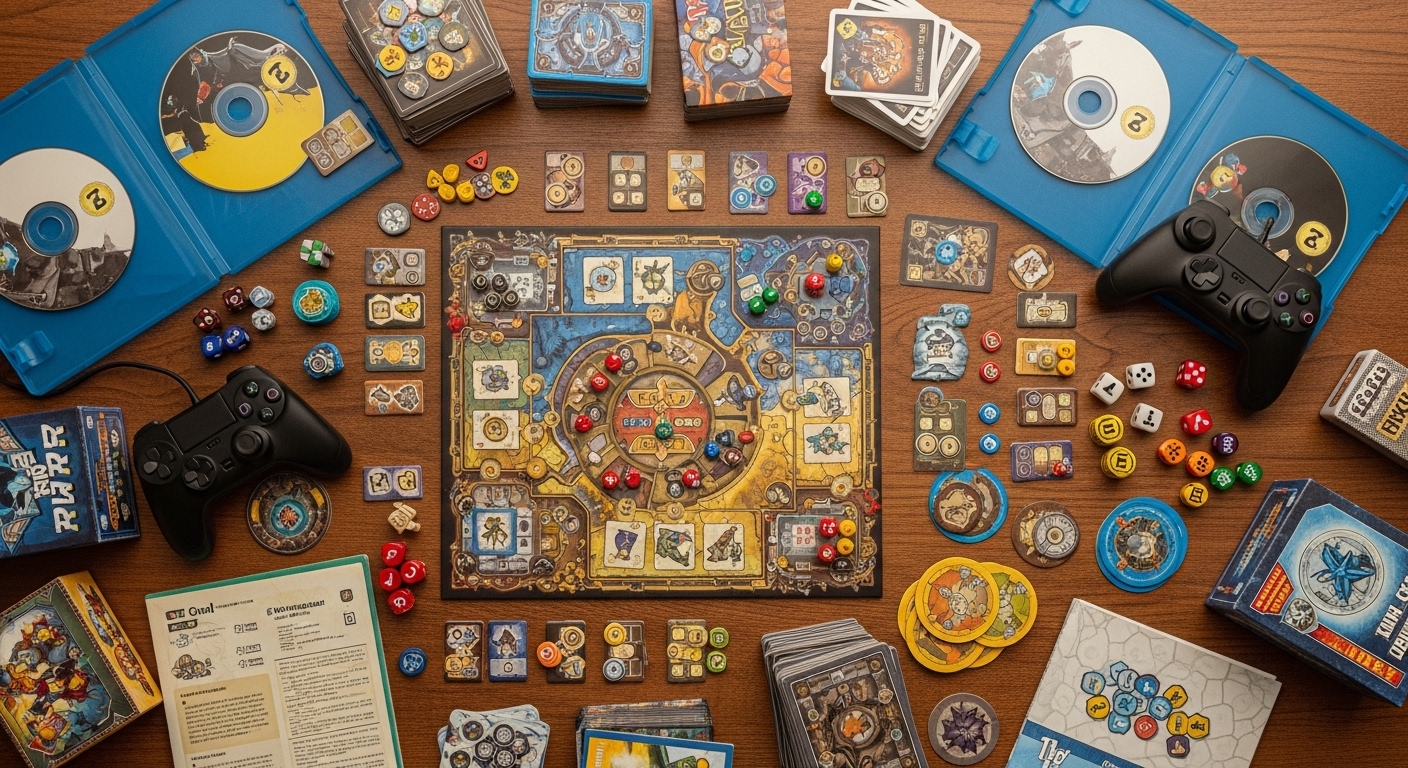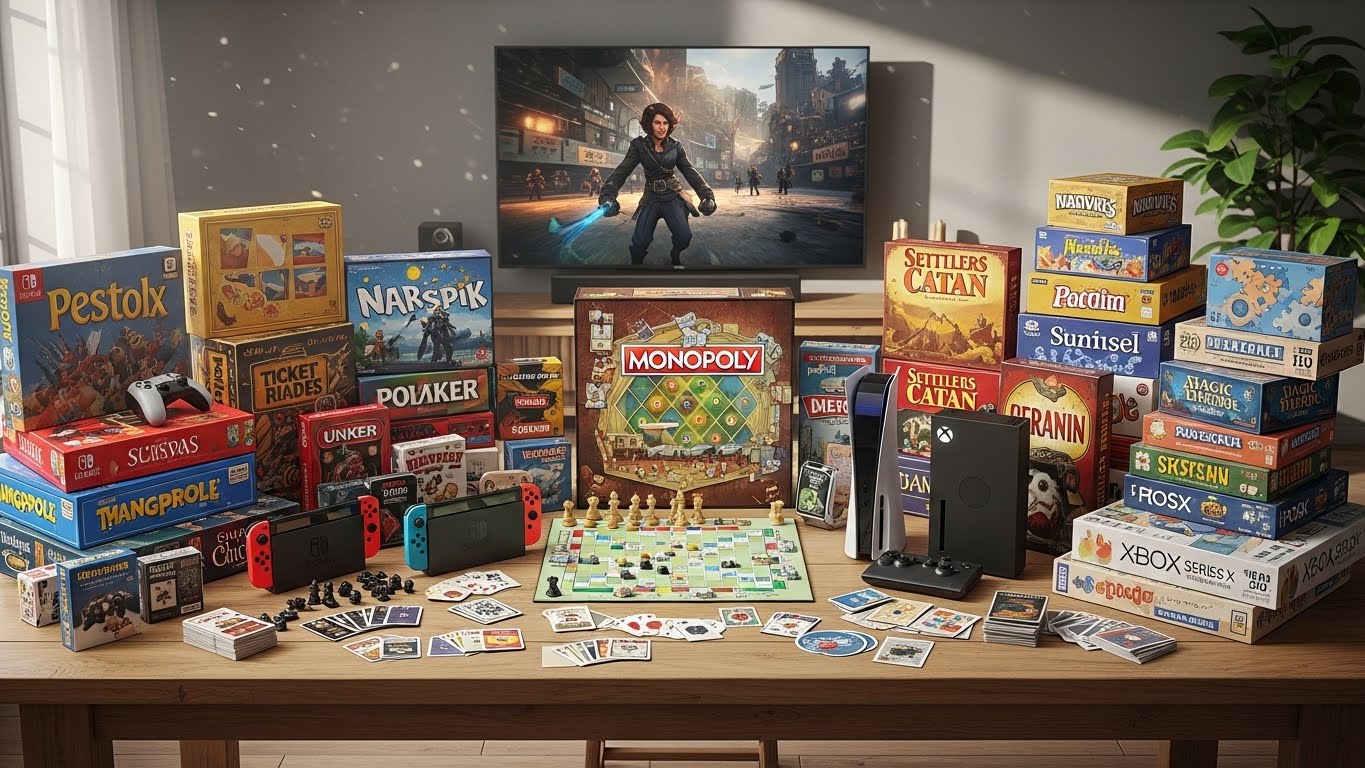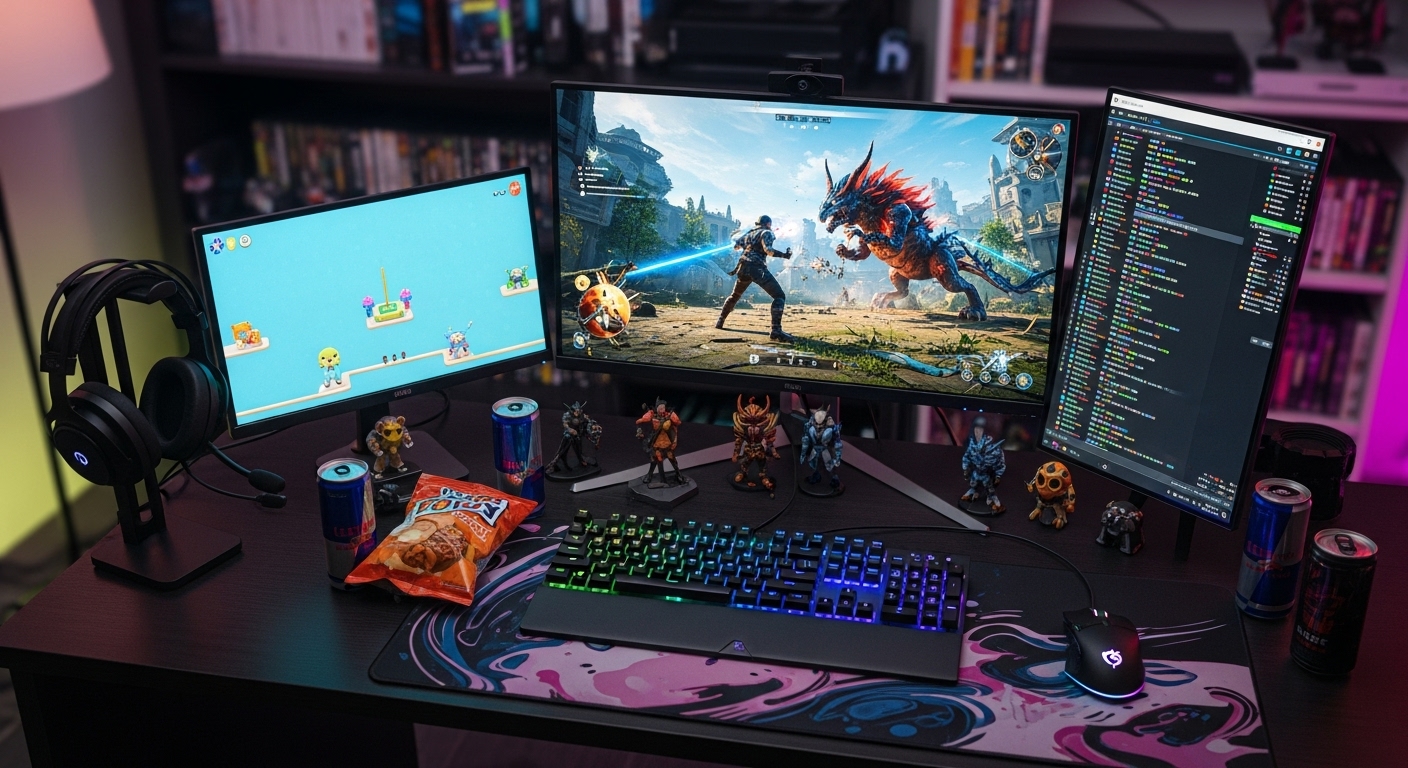
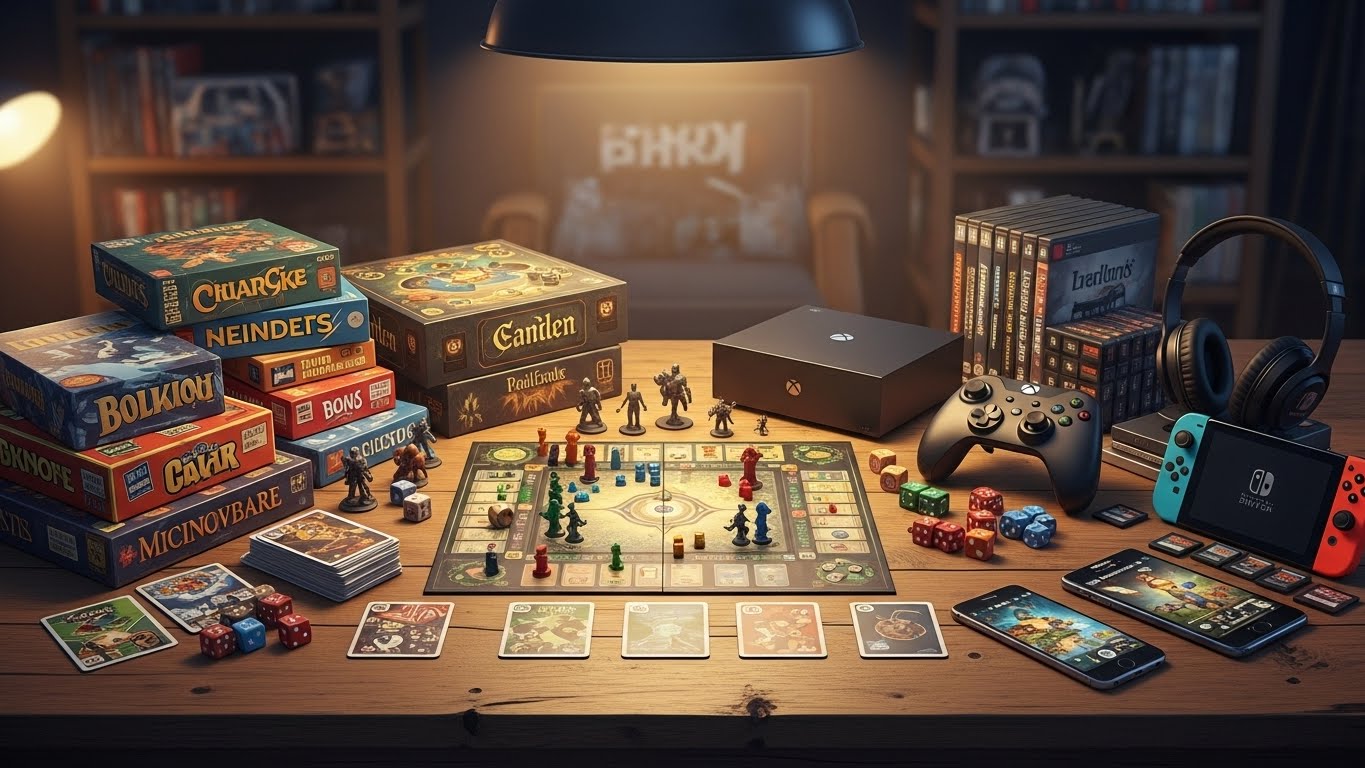
Games have been an integral part of human culture for centuries, transcending time, technology, and geography. From ancient board games and traditional sports to the immersive digital experiences of today, games have evolved alongside society, serving as both a means of entertainment and a way to build skills, foster relationships, and challenge oneself. The history of games is rich and varied, but one thing remains constant: they have always been a source of joy, competition, and creativity. In this blog post, we will explore the evolution of games, how technology has reshaped the gaming landscape, and what the future of gaming might hold.
The Origins of Games: Play as an Ancient Tradition
The concept of gaming dates back to the earliest civilizations. Archaeologists have uncovered evidence of ancient games in cultures around the world, proving that the human need for play is as old as humanity itself. One of the oldest known board games is “Senet,” which dates back to around 3100 BCE in ancient Egypt. Senet was not just a recreational activity but also had spiritual significance, symbolizing the journey through life and the afterlife.
Similarly, the game of “Go” originated in China over 2,500 years ago and is still widely played today. The simplicity of the rules combined with the complexity of strategy has made Go a timeless game, with millions of players worldwide. In ancient Mesopotamia, games like the Royal Game of Ur were played with dice and pieces on a board, offering a glimpse into the leisure activities of early societies.
Games were also an important aspect of ancient rituals and festivals. In Greek and Roman cultures, games were often tied to religious ceremonies and athletic competitions. The ancient Olympics, first held in 776 BCE, celebrated physical prowess and became a symbol of cultural unity and competition that would influence the modern world of sports and games.
The Age of Traditional Games: Board Games and Physical Sports
As societies evolved, so did the forms of games people played. Board games became a staple of entertainment in many cultures, particularly in Europe and Asia. Games like chess, backgammon, and checkers gained popularity over the centuries, each offering a unique challenge based on strategy, tactics, and skill.
Chess, which originated in India as “Chaturanga” in the 6th century, is one of the most enduring games in history. Over time, the game spread to Persia, then to Europe, where it evolved into the modern version we recognize today. Chess has been hailed as a game of intellectual skill, and it remains a popular pastime for millions around the world, both in casual settings and in competitive tournaments.
In addition to board games, physical sports like soccer, football, basketball, and tennis became an important part of global culture. These sports, which often began as informal or local games, grew into organized competitions with rules, leagues, and large-scale events. The invention of the modern Olympics in 1896 helped solidify sports as a cornerstone of both entertainment and international unity.
The Digital Revolution: The Birth of Video Games
The 20th century saw the dawn of a new era in gaming with the rise of electronic and digital games. The 1950s and 1960s marked the beginning of the digital gaming era, with early experiments in computer programming giving rise to simple games like “Tic-Tac-Toe” and “Spacewar!” These games were rudimentary by today’s standards but were the foundation of the gaming revolution that would follow.
The real turning point came in the 1970s with the invention of arcade video games. “Pong,” created by Atari in 1972, became the first commercially successful video game and is often credited as the beginning of the video game industry. Following the success of Pong, arcade gaming exploded in popularity, with games like “Space Invaders,” “Pac-Man,” and “Donkey Kong” captivating players worldwide. These early arcade games introduced a new type of interactive entertainment, where players could control characters or objects on-screen through joysticks and buttons.
The 1980s saw the advent of home consoles, allowing players to experience video games in the comfort of their own homes. Systems like the Nintendo Entertainment System (NES) and the Sega Genesis became household names, offering iconic games like “Super Mario Bros.,” “The Legend of Zelda,” and “Sonic the Hedgehog.” These consoles brought gaming to the masses, transforming it from a niche activity to a global phenomenon.
The Rise of Computer and Online Gaming
By the 1990s, computer gaming had gained a foothold, and the personal computer became a powerful tool for gaming. The PC gaming community flourished with the release of titles like “Warcraft,” “Doom,” and “Myst,” which pushed the boundaries of graphics, storytelling, and gameplay. The advent of high-speed internet also opened the door to online multiplayer games, where players could connect with others across the globe.
One of the most significant developments in this era was the rise of massively multiplayer online games (MMOs). “World of Warcraft,” released in 2004, became one of the most successful and influential MMOs of all time, allowing millions of players to engage in a shared virtual world. Games like “EverQuest” and “EVE Online” also contributed to the growth of online gaming, where players could interact with each other, form alliances, and compete in vast digital landscapes.
The 1990s also saw the growth of the first-person shooter (FPS) genre, with games like “Quake” and “Counter-Strike” leading the charge. These games revolutionized competitive gaming and set the stage for the modern esports industry, where professional players compete for large prizes and global recognition.
The Mobile Revolution: Gaming on the Go
With the proliferation of smartphones and tablets in the 2000s, mobile gaming became a dominant force in the gaming industry. The release of the Apple iPhone in 2007 marked a turning point, making gaming accessible to millions of people through apps and mobile-friendly games. Titles like “Angry Birds,” “Candy Crush,” and “Pokémon GO” became cultural phenomena, drawing in casual gamers who might not have otherwise engaged with traditional video games.
Mobile games are often free-to-play, monetized through in-app purchases and advertisements. This business model, known as “freemium,” has allowed developers to reach massive audiences while generating significant revenue. Mobile gaming has expanded the gaming market, attracting players of all ages and backgrounds, and has made gaming more ubiquitous than ever before.
In addition to casual games, mobile devices have also paved the way for more complex gaming experiences. Titles like “Fortnite” and “PUBG Mobile” have brought competitive multiplayer gaming to mobile platforms, allowing players to engage in fast-paced action with friends and strangers from around the world.
The Rise of Esports and Competitive Gaming
Esports has emerged as one of the fastest-growing sectors in the gaming industry. What began as casual online competitions between friends and small tournaments has evolved into a multi-billion-dollar industry, with professional players, teams, and tournaments attracting millions of viewers. Esports covers a wide range of games, including MOBAs (Multiplayer Online Battle Arenas) like “League of Legends,” real-time strategy games like “StarCraft II,” and first-person shooters like “Overwatch” and “Call of Duty.”
The advent of streaming platforms like Twitch and YouTube Gaming has further fueled the rise of esports, allowing players and fans to watch live tournaments, interact with content creators, and engage with the gaming community. Major esports events, such as The International (for Dota 2) and the League of Legends World Championship, now attract global audiences, with prize pools reaching tens of millions of dollars.
Esports has become a legitimate career path for top-tier players, with sponsorships, salaries, and merchandise sales providing lucrative opportunities. Additionally, universities and colleges have started offering esports scholarships, legitimizing competitive gaming as a professional pursuit.
Virtual Reality and Augmented Reality: The Next Frontier
As technology continues to advance, the future of gaming lies in the development of virtual reality (VR) and augmented reality (AR). VR gaming allows players to fully immerse themselves in a digital world, using specialized headsets and controllers to interact with 3D environments. Titles like “Half-Life: Alyx” and “Beat Saber” have shown the potential of VR, offering a more interactive and immersive experience than traditional gaming.
Augmented reality, on the other hand, blends the virtual and physical worlds, overlaying digital elements onto the real environment. Games like “Pokémon GO” have already demonstrated the potential of AR, allowing players to interact with virtual creatures in the real world using their smartphones. As AR technology advances, we can expect more games that integrate virtual elements into our everyday surroundings.
Both VR and AR have the potential to reshape the way we play games, making them more interactive, social, and immersive than ever before. As the technology matures and becomes more accessible, it is likely that these gaming experiences will become mainstream.
Conclusion: The Future of Gaming
The world of games has come a long way, from ancient board games to the cutting-edge virtual experiences of today. Gaming has become a diverse, multi-faceted industry that caters to a wide range of interests and skill levels. Whether it’s casual mobile gaming, immersive VR worlds, or competitive esports, the future of gaming is bright and filled with possibilities.
As technology continues to evolve, we can expect even more exciting developments in the gaming world. From AI-driven gameplay to deeper integration with virtual and augmented realities, the future of gaming promises to be even more interactive, immersive, and inclusive. One thing is certain: the world of games will continue to captivate, challenge, and entertain for generations to come.