Introduction: The Timeless World of Games
Games have been an essential part of human culture for thousands of years. They are more than mere pastimes; they are a reflection of society, creativity, and human ingenuity. From simple ancient board games to the latest digital experiences, games have always served as entertainment, education, and social connection. In today’s world, gaming has become a multi-billion-dollar industry that spans consoles, PCs, mobile devices, and virtual reality. This blog explores the history of games, their cultural significance, technological evolution, and their profound impact on society.
The Origins of Games: Ancient Beginnings
The history of games traces back to some of the earliest civilizations. Archaeologists have discovered ancient board games such as Senet in Egypt, dating back over 5,000 years, and Go in China, which is over 2,500 years old. These games were not only forms of entertainment but also tools for teaching strategy, problem-solving, and social interaction.
In medieval times, games like chess became symbols of intellect and strategy. They were played in royal courts and among scholars, reflecting societal hierarchies and values. These early games laid the foundation for the development of structured competition, strategic thinking, and recreational activities that continue today.
Board Games and Tabletop Entertainment
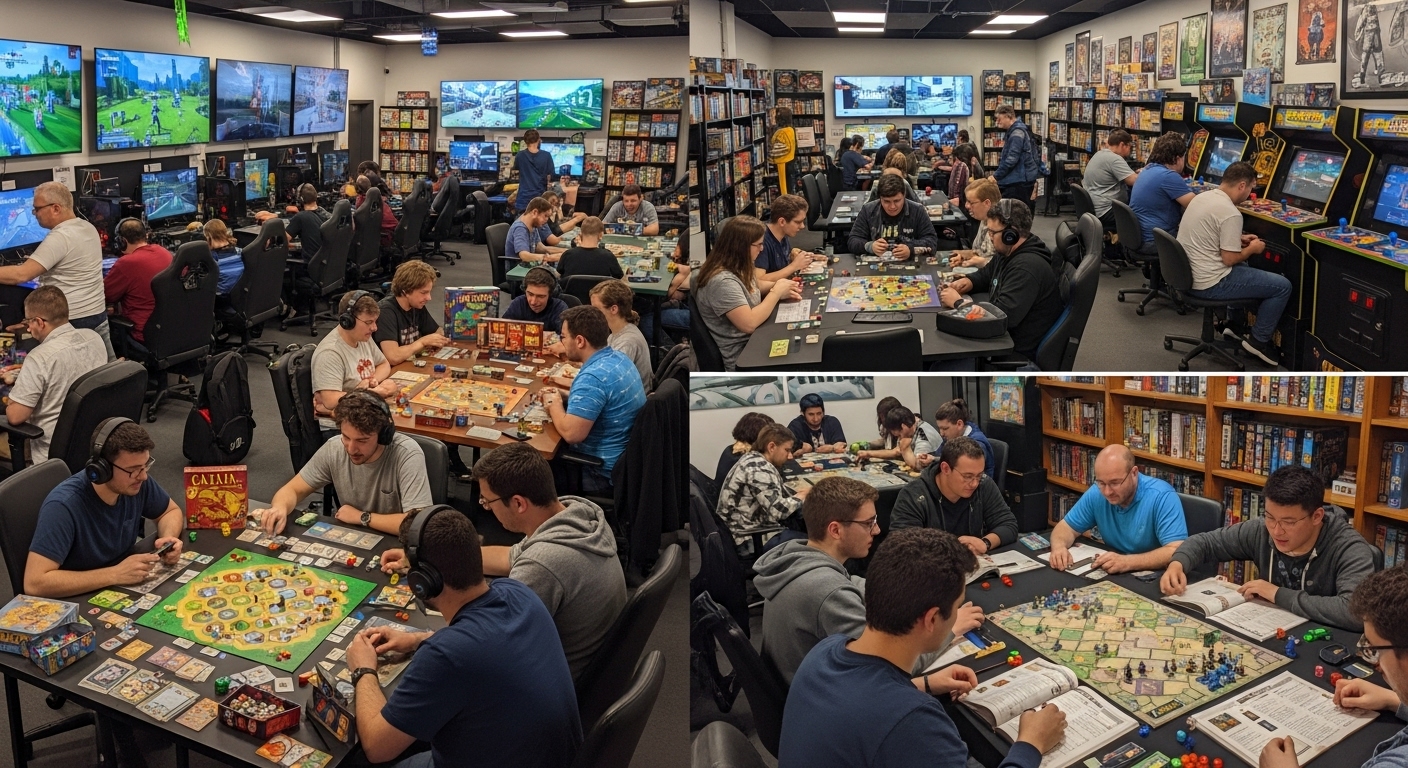
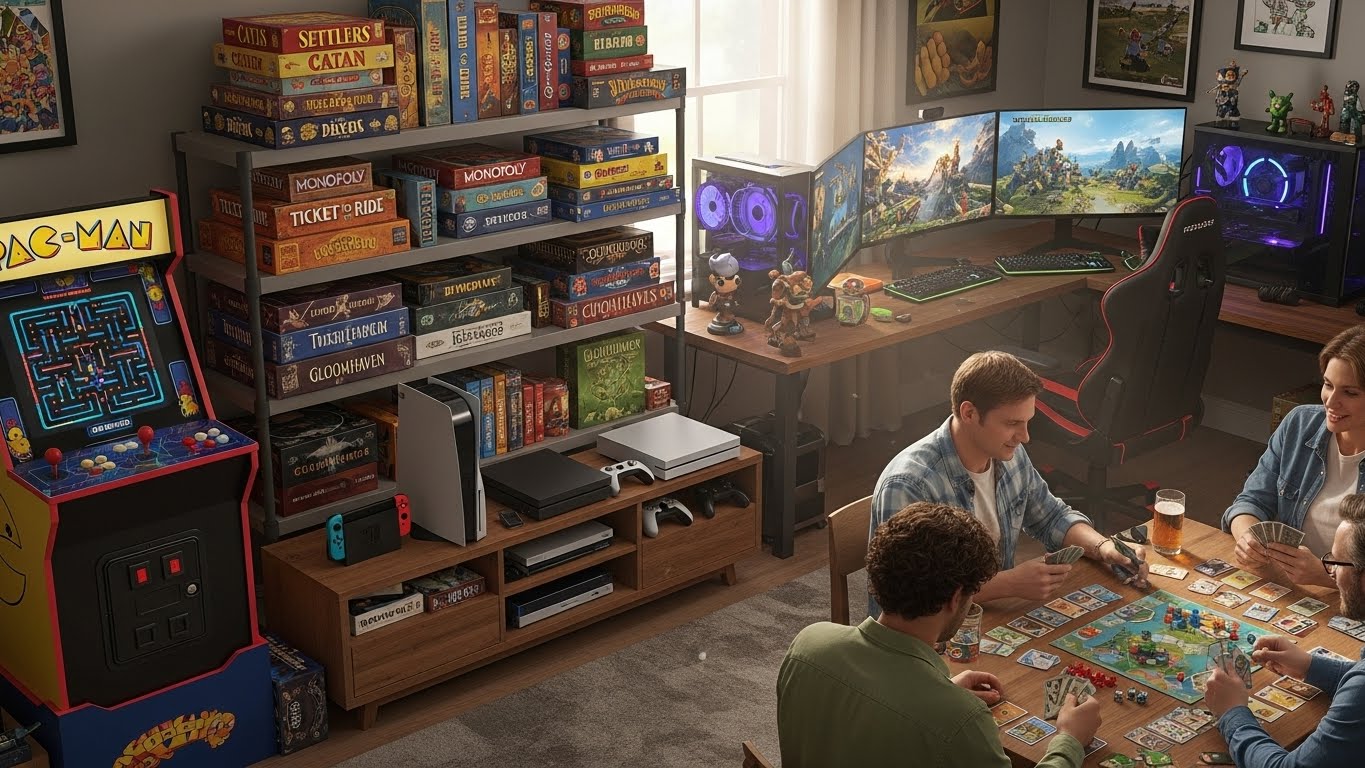
Board games have stood the test of time because they combine strategy, chance, and social interaction. Classics like Monopoly, Scrabble, Risk, and Clue have entertained generations. Tabletop games encourage critical thinking, negotiation, and teamwork, making them not only fun but also intellectually stimulating.
In recent years, modern board games and tabletop role-playing games (RPGs) have gained popularity. Games like Settlers of Catan and Dungeons & Dragons provide complex narratives, collaborative challenges, and immersive experiences that appeal to both casual and dedicated players. Tabletop games also foster community, bringing friends and families together around a shared activity.
The Rise of Video Games
The introduction of video games revolutionized the gaming industry. Starting in the 1970s with arcade classics like Pong and Space Invaders, video games quickly became a dominant form of entertainment. Consoles like the Nintendo Entertainment System and Sega Genesis brought gaming into homes, creating a global phenomenon.
Video games combine storytelling, visual artistry, music, and interactive mechanics to create immersive experiences. Titles like Super Mario, The Legend of Zelda, and Final Fantasy not only entertained but also shaped pop culture. Modern video games offer expansive worlds, complex narratives, and multiplayer experiences, blurring the line between play and artistry.
Mobile Gaming: Gaming on the Go
The advent of smartphones transformed gaming by making it accessible to anyone, anywhere. Mobile games are now one of the largest segments of the gaming industry, reaching millions of players globally. Games like Candy Crush, Clash of Clans, and Pokémon Go demonstrate the power of mobile platforms to provide engaging, social, and interactive experiences.
Mobile gaming appeals to diverse audiences because it is convenient, often free-to-play, and easily integrated into daily routines. Mobile platforms also allow developers to experiment with new game mechanics, monetization strategies, and social features, ensuring continuous innovation in the industry.
The Psychology of Gaming
Games are inherently appealing because they engage core aspects of human psychology. Players are motivated by challenges, rewards, social interaction, and a sense of achievement. Game design often incorporates systems such as levels, points, achievements, and unlockable content, which provide positive reinforcement and a feeling of progression.
Competitive games trigger excitement and anticipation, while cooperative games foster teamwork and communication. The social and emotional engagement offered by games is a key reason why they remain popular across generations and cultures.
Esports: Competitive Gaming on a Global Stage
Esports has elevated gaming from entertainment to a professional, competitive spectacle. Millions of fans watch tournaments in games like League of Legends, Dota 2, Counter-Strike: Global Offensive, and Fortnite. Professional players train rigorously, much like traditional athletes, competing for substantial prize money and international recognition.
Esports has created a thriving ecosystem that includes streaming platforms, sponsorships, team management, and event production. It has also opened new career paths in coaching, commentary, and content creation, making competitive gaming a viable profession.
Social Interaction and Community in Gaming
Games are social experiences, whether played in person or online. Multiplayer games encourage collaboration, competition, and communication. Online platforms and gaming communities allow players to form friendships, join guilds or clans, and participate in events or tournaments.
Social features such as in-game chat, forums, and streaming interactions create a sense of belonging and engagement. Gaming communities often extend beyond gameplay, fostering creativity, fan content, and shared culture among players worldwide.
Educational and Cognitive Benefits of Gaming
Beyond entertainment, games provide numerous educational and cognitive benefits. Strategy games improve critical thinking and problem-solving skills, puzzle games enhance memory and attention, and simulation games allow players to experiment with real-world scenarios safely.
Educational games have been used in schools to engage students in interactive learning. Role-playing games encourage creativity, collaboration, and decision-making, demonstrating that games can be both fun and intellectually enriching.
Virtual Reality and Augmented Reality in Gaming
Virtual reality (VR) and augmented reality (AR) are transforming how players interact with games. VR immerses players in fully interactive digital worlds, providing a sense of presence and exploration. AR overlays digital elements onto the real world, blending reality and imagination in innovative ways.
Games like Beat Saber, Half-Life: Alyx, and Pokémon Go illustrate the potential of VR and AR to create highly immersive and interactive experiences. These technologies represent the future of gaming, offering new possibilities for engagement and creativity.
The Economic Significance of Gaming
The gaming industry is a major economic powerhouse. It generates revenue through game sales, subscriptions, in-game purchases, streaming services, and esports events. It also creates employment opportunities for developers, designers, marketers, content creators, and event organizers.
The industry drives innovation in technology, from graphics engines to artificial intelligence, and influences other sectors like film, music, and social media. Gaming has become an essential part of global entertainment and a significant contributor to the economy.
Cultural Impact of Games
Games have a profound influence on culture. They inspire films, books, music, and merchandise, and create iconic characters and stories that become part of global culture. Gaming also promotes inclusivity, offering spaces where players of different ages, genders, and backgrounds can interact and collaborate.
Games often reflect societal trends and issues, allowing players to explore diverse perspectives and narratives. The cultural impact of gaming extends beyond entertainment, shaping creativity, communication, and shared experiences in society.
Innovation and the Future of Gaming
The future of gaming promises further innovation. Cloud gaming, VR and AR experiences, AI-driven gameplay, and cross-platform integration will redefine how players experience games.
Gamers can expect more immersive worlds, interactive narratives, and social connectivity. The rise of the metaverse and virtual worlds will provide platforms for gaming, collaboration, and entertainment in entirely new ways. The industry will continue to expand, offering inclusive, engaging, and evolving experiences for players globally.
Conclusion: Games as a Reflection of Humanity
Games are more than entertainment; they are a reflection of human creativity, culture, and innovation. They provide joy, challenge, and connection, bridging generations and communities. From ancient board games to immersive VR adventures, gaming has evolved alongside society, shaping and reflecting our collective imagination.
As technology continues to advance, games will offer even richer, more interactive, and socially connected experiences. Their ability to entertain, educate, and unite ensures that games will remain a central part of human life for generations to come.