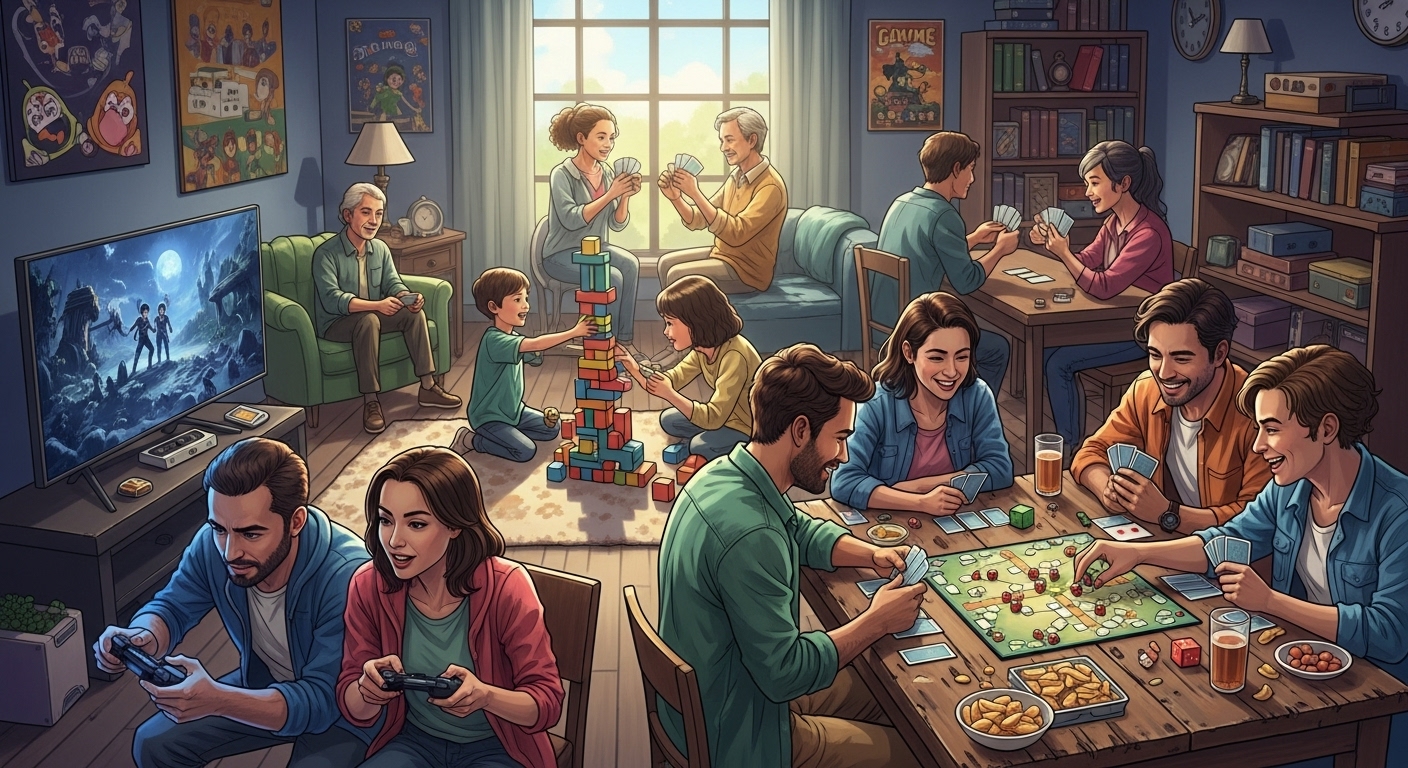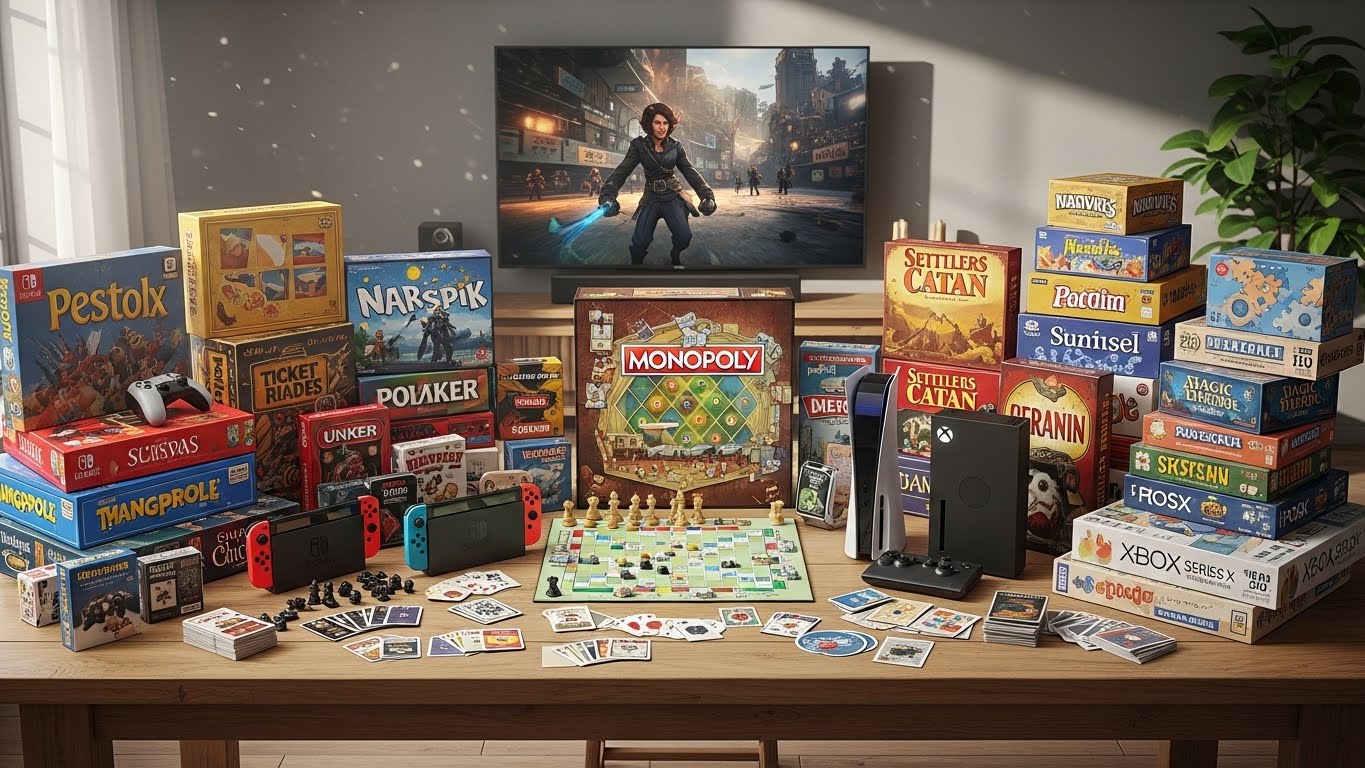

Games have been a part of human culture for thousands of years. They entertain, challenge, and connect people, offering experiences that range from simple amusement to complex strategic engagement. From the earliest board games carved in stone to today’s immersive digital worlds, games have continually evolved, reflecting societal changes, technological advancements, and shifts in human creativity. In this article, we explore the history, types, technological innovations, and cultural impact of games, demonstrating why they remain a vital part of human life.
A Glimpse into the History of Games
Games have existed for millennia, serving purposes beyond mere entertainment. Ancient civilizations used games to teach strategy, build social bonds, and even predict outcomes.
Board games like Senet in ancient Egypt and the Royal Game of Ur in Mesopotamia date back thousands of years, highlighting early human ingenuity. Chess, which originated in India as Chaturanga, became a global phenomenon, valued for its strategic depth and intellectual challenge. These early games were more than pastimes; they reflected cultural values and human problem-solving skills.
Over time, games evolved to include outdoor activities and sports. Ancient Greece and Rome popularized competitive athletic games, while medieval Europe introduced social games like cards and dice. This diversity illustrates the timeless human desire for challenge, skill development, and social interaction.
The Psychological Benefits of Games
Games are not only entertaining but also offer cognitive, emotional, and social benefits. Strategic games like chess and Go enhance critical thinking, planning, and problem-solving skills. Puzzle games improve memory, pattern recognition, and spatial awareness.
Beyond cognitive benefits, games can reduce stress, encourage relaxation, and provide a sense of achievement. Engaging in a challenging game stimulates the brain’s reward system, promoting dopamine release and positive reinforcement. Social games, whether digital or physical, foster communication, collaboration, and team-building skills. Multiplayer experiences strengthen friendships, build communities, and create shared memories.
Types of Games
Games come in many forms, each catering to different interests and abilities. Understanding the variety of games helps us appreciate their cultural and recreational significance.
Board Games
Board games are among the oldest forms of structured play. They often combine luck and strategy, requiring players to make calculated decisions while navigating unpredictable outcomes. Classics like Monopoly, Settlers of Catan, and Risk remain popular due to their combination of strategy, negotiation, and social interaction.
Card Games
Card games are versatile and culturally significant. From poker and bridge to collectible trading card games, card-based play combines skill, probability, and psychology. These games encourage critical thinking and strategic planning while offering endless variety through different rules, decks, and formats.
Video Games
Video games represent the modern frontier of interactive entertainment. Early video games like Pong and Space Invaders laid the foundation for a multi-billion-dollar industry. Today, video games encompass various genres, including action, adventure, role-playing, simulation, and strategy. Immersive storytelling, complex mechanics, and realistic graphics create experiences that can rival traditional forms of entertainment.
Sports and Physical Games
Sports and physical games emphasize movement, coordination, and athletic skill. Soccer, basketball, tennis, and martial arts combine competition with physical exercise, promoting health and social interaction. These games also foster teamwork, discipline, and strategic thinking, making them an essential part of education and recreation worldwide.
Puzzles and Brain Games
Puzzle games challenge the mind, offering intellectual stimulation and problem-solving opportunities. Crosswords, Sudoku, logic puzzles, and modern digital puzzle games improve focus, memory, and analytical thinking. They cater to individuals seeking personal challenge rather than competition with others.
The Technological Revolution in Gaming
Technology has dramatically transformed how games are created, played, and experienced. Digital gaming has become one of the most innovative entertainment sectors, blending storytelling, graphics, artificial intelligence, and online connectivity.
High-performance consoles, personal computers, and mobile devices enable immersive gameplay with lifelike graphics and complex mechanics. Virtual reality and augmented reality provide fully interactive worlds, allowing players to step into environments that feel tangible and engaging. Artificial intelligence enhances gameplay by creating dynamic challenges, adapting to player behavior, and offering personalized experiences.
Online gaming has also connected players globally. Multiplayer platforms allow real-time competition, collaboration, and community building. Social features, leaderboards, and tournaments enhance engagement and create shared experiences that transcend geographic boundaries.
The Cultural Impact of Games
Games influence culture, education, and social interaction in profound ways. They serve as storytelling mediums, artistic expressions, and platforms for social commentary. Many games explore complex themes such as morality, identity, and societal challenges, offering players opportunities for reflection and empathy.
In addition, games have fostered global communities. Online multiplayer games, esports, and streaming platforms have created new forms of social interaction and entertainment. Players share experiences, strategies, and content, building networks that are as much cultural as they are recreational. Esports, in particular, has elevated competitive gaming to a professional level, with tournaments, sponsorships, and international recognition rivaling traditional sports.
Educational and Therapeutic Uses of Games
Games are increasingly recognized for their educational and therapeutic value. Educational games teach concepts in mathematics, language, science, and history through interactive play, making learning engaging and memorable. Simulation games provide safe environments for practicing real-world skills, from flight training to surgical procedures.
Therapeutic games are used in rehabilitation, cognitive therapy, and mental health support. Games that require coordination, focus, and memory exercises help patients recover motor skills, improve cognition, and manage stress. These applications demonstrate how games extend beyond entertainment, becoming tools for personal growth and well-being.
The Economics of Gaming
The gaming industry has evolved into a multi-billion-dollar global market. Video games, mobile games, board games, and esports generate substantial revenue, providing employment and economic stimulation. Game development involves software engineering, design, marketing, and storytelling, creating diverse career opportunities.
The popularity of digital distribution platforms, online marketplaces, and subscription services has transformed monetization models. Free-to-play games with in-game purchases, downloadable content, and microtransactions are common, balancing accessibility with revenue generation. The economic impact of gaming extends to technology innovation, entertainment media, and global trade, highlighting its significance beyond recreation.
Trends Shaping the Future of Games
The gaming industry continues to evolve, influenced by technology, consumer preferences, and cultural shifts.
Immersive Technologies
Virtual reality and augmented reality are pushing the boundaries of gameplay, creating experiences that blur the line between the digital and physical worlds. Players can interact with realistic environments, enhancing immersion and engagement.
Cloud Gaming
Cloud gaming allows players to stream games without powerful hardware, making high-quality gaming accessible on a wider range of devices. This trend democratizes gaming, enabling more people to participate regardless of technological limitations.
Social and Interactive Gaming
Games are increasingly social. Platforms incorporate multiplayer experiences, community features, and collaborative gameplay. Gamification elements, such as achievements, leaderboards, and challenges, create motivation and encourage engagement.
Artificial Intelligence
Artificial intelligence is shaping game design, providing adaptive challenges, realistic non-player characters, and personalized experiences. AI also assists in procedural content generation, creating vast, dynamic worlds that evolve based on player interaction.
Challenges Facing the Gaming Industry
Despite its success, the gaming industry faces challenges. Addiction and excessive gameplay can affect mental health, requiring awareness and responsible gaming initiatives. Cybersecurity risks, including hacking and account theft, must be addressed to protect players.
Diversity and representation remain ongoing concerns. Game narratives, character design, and community inclusivity are areas where the industry continues to evolve, striving to create welcoming environments for all players. Balancing innovation with ethical considerations and accessibility is crucial for long-term sustainability.
Conclusion: Games as a Human Legacy
Games are more than entertainment; they are an essential part of human culture and creativity. From ancient board games to modern digital adventures, games reflect society, foster skill development, and connect people across cultures. They challenge our minds, stimulate our creativity, and provide enjoyment, relaxation, and social connection.
The evolution of games demonstrates humanity’s desire for innovation, problem-solving, and interaction. With advancements in technology, immersive storytelling, and global connectivity, the future of gaming promises experiences that are more engaging, inclusive, and transformative than ever before. Games will continue to shape culture, education, and social interaction, proving that play is not only a pastime but a timeless human pursuit.
In essence, games are a reflection of human curiosity, imagination, and the enduring desire to explore, compete, and connect. They are an art form, a science, and a social experience, uniting people through challenge, strategy, and joy. The journey of games is far from over, and the possibilities for the next generation of players are limitless.