
Introduction: Games as a Reflection of Humanity
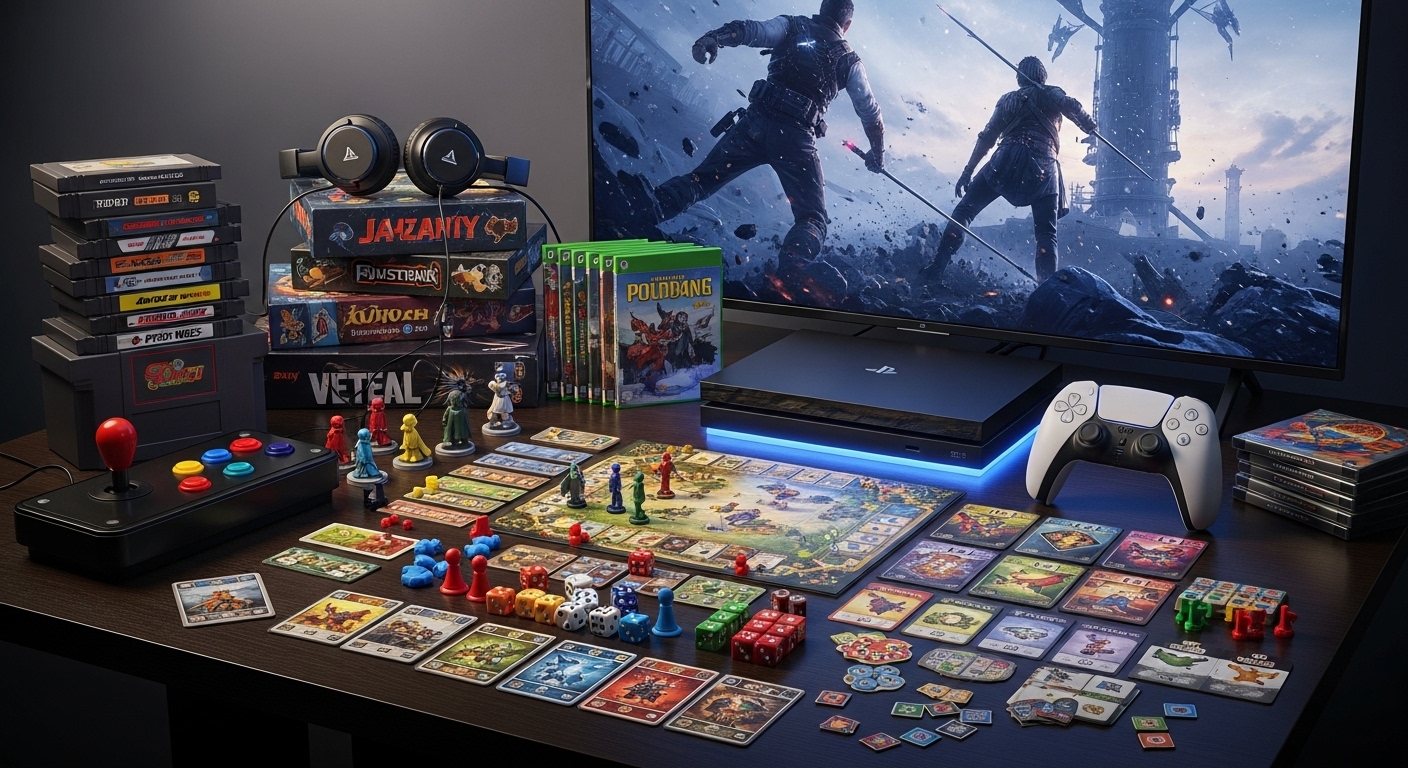
Games have been an integral part of human culture for thousands of years, serving as entertainment, education, and even social bonding. From simple board games in ancient civilizations to the vast digital universes of modern video games, the evolution of games mirrors technological advancement and societal change. Games are no longer just pastimes; they are an industry, a form of storytelling, a tool for learning, and even a platform for social interaction. This blog explores the fascinating journey of games, their impact on culture and society, and the future that awaits the gaming world.
The Origins of Gaming: Ancient Beginnings
Games have existed in human society for millennia. Archaeologists have discovered evidence of board games in ancient Egypt, such as Senet, dating back over 5,000 years. These early games were not only recreational but also held spiritual or symbolic significance. Similarly, in Mesopotamia, dice games were popular, often linked to divination and decision-making.
In Asia, games such as Go and Chess originated centuries ago, becoming complex and strategic pastimes that tested intellect and foresight. Go, originating in China, emphasized strategy, patience, and planning, while Chess, which evolved from earlier Indian and Persian games, required tactical thinking and strategic foresight. These games laid the foundation for competitive gaming and demonstrated the human desire for challenge and mastery.
Board Games: The Social Connector
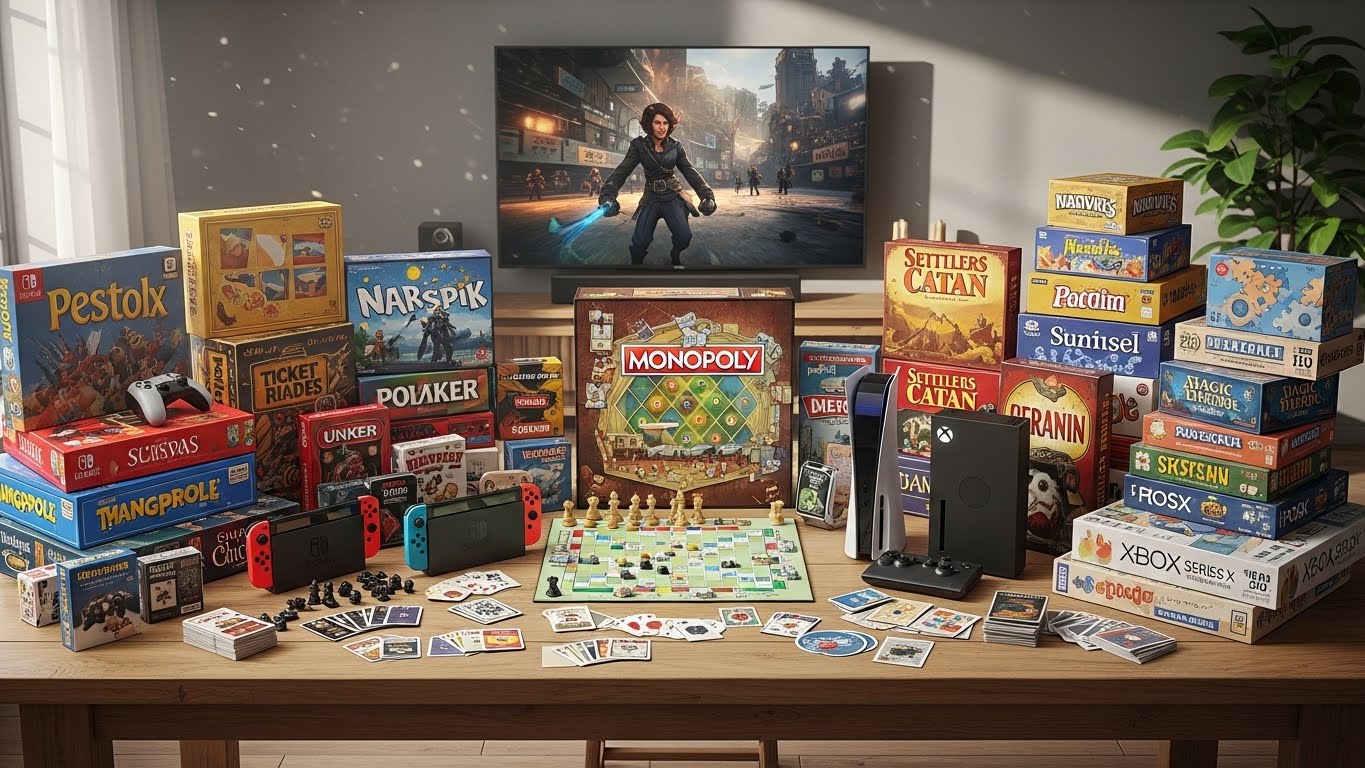
Board games have historically served as tools for social interaction and education. Classics like Monopoly, Scrabble, and Clue have entertained generations while encouraging critical thinking, problem-solving, and creativity. Unlike digital games, board games require face-to-face interaction, fostering conversation, collaboration, and sometimes friendly rivalry.
Board games also played an educational role. Many were designed to teach children math, language, or strategy skills. Educational board games remain popular today, with schools and parents recognizing their value in developing cognitive and social skills. Even in an era dominated by digital entertainment, board games continue to hold a special place as tools for bonding and interactive learning.
The Rise of Video Games: A Digital Revolution
The late 20th century brought a revolutionary shift with the advent of video games. From the simple pixelated worlds of Pong and Space Invaders to the immersive experiences of modern titles, video games transformed the way people played and experienced entertainment.
Video games are unique because they combine storytelling, art, and interactivity. Unlike movies or books, where the audience is passive, video games allow players to influence outcomes, make choices, and experience narratives firsthand. This interactivity has made video games a powerful medium for creativity, problem-solving, and emotional engagement.
The 1980s and 1990s were pivotal decades, seeing the emergence of iconic consoles such as the Nintendo Entertainment System, Sega Genesis, and PlayStation. These platforms popularized genres like platformers, racing, fighting, and role-playing games, shaping the tastes and expectations of generations of players. Video games also began to develop subcultures, with fans gathering for tournaments, fan art, and online communities.
Mobile Gaming: Gaming in Your Pocket
With the rise of smartphones, gaming became more accessible than ever. Mobile games transformed casual gaming, allowing people to play anytime and anywhere. Titles like Candy Crush, Angry Birds, and Pokémon Go became cultural phenomena, attracting millions of players worldwide.
Mobile gaming introduced new trends, such as free-to-play models supported by in-app purchases and social gaming features. Players could compete with friends, share achievements, and engage with online communities directly from their devices. Mobile platforms also expanded gaming demographics, attracting people who might not have previously identified as gamers. Today, mobile gaming represents a significant portion of the gaming industry, proving that games can be both convenient and deeply engaging.
Online Multiplayer Games: Connecting the World
The advent of the internet enabled a new dimension of gaming: online multiplayer experiences. Games like World of Warcraft, Counter-Strike, and Fortnite allowed players to interact, collaborate, and compete with others around the world. Online gaming communities flourished, forming friendships, rivalries, and cultures that extended far beyond the screen.
Multiplayer games emphasize teamwork, communication, and strategic thinking. Players learn to coordinate with others, manage resources, and develop tactics in dynamic, unpredictable environments. Beyond entertainment, online gaming has created professional opportunities, including competitive esports, streaming careers, and game development. This interconnectedness demonstrates how games have become social platforms as much as they are entertainment.
Esports: Gaming as a Competitive Sport
Esports, or competitive gaming, has grown from niche tournaments into a global phenomenon. Professional players and teams compete in games like League of Legends, Dota 2, and Call of Duty for prize money, sponsorships, and worldwide recognition. Esports events fill stadiums, attract millions of online viewers, and generate significant economic impact through sponsorships and media rights.
Esports is unique because it blends the intensity of traditional sports with the strategy and creativity of gaming. Players train rigorously, develop teamwork and leadership skills, and cultivate mental focus under high-pressure conditions. The rise of esports has also led to the creation of professional gaming academies, sponsorship deals, and even recognition from sporting organizations, demonstrating that games can be both entertainment and a professional career path.
The Psychological Benefits of Gaming
Contrary to outdated stereotypes, gaming can offer numerous psychological benefits. Problem-solving games, strategy games, and role-playing games encourage critical thinking, creativity, and decision-making. Players often engage in complex challenges that require planning, foresight, and adaptability.
Games also serve as a stress reliever. Immersive worlds allow players to temporarily escape real-life pressures and focus on challenges that are engaging but non-threatening. Social games promote connections, reduce loneliness, and provide a sense of community, especially in online multiplayer environments. Cognitive benefits include improved spatial awareness, memory, and multitasking abilities, demonstrating that gaming can be intellectually stimulating as well as entertaining.
The Cultural Impact of Games
Games have a profound impact on culture, influencing art, media, fashion, and even language. Iconic franchises like Super Mario, The Legend of Zelda, and Final Fantasy have left a lasting imprint on popular culture. Gaming terminology, memes, and references often permeate mainstream media, highlighting how deeply integrated gaming has become in everyday life.
Games also reflect societal trends and themes, tackling topics such as morality, politics, and personal identity. Story-driven games often explore complex narratives and ethical dilemmas, encouraging players to think critically about the choices they make. The cultural significance of games extends beyond entertainment, serving as a medium for storytelling, social commentary, and artistic expression.
Technological Innovations Shaping the Future of Games
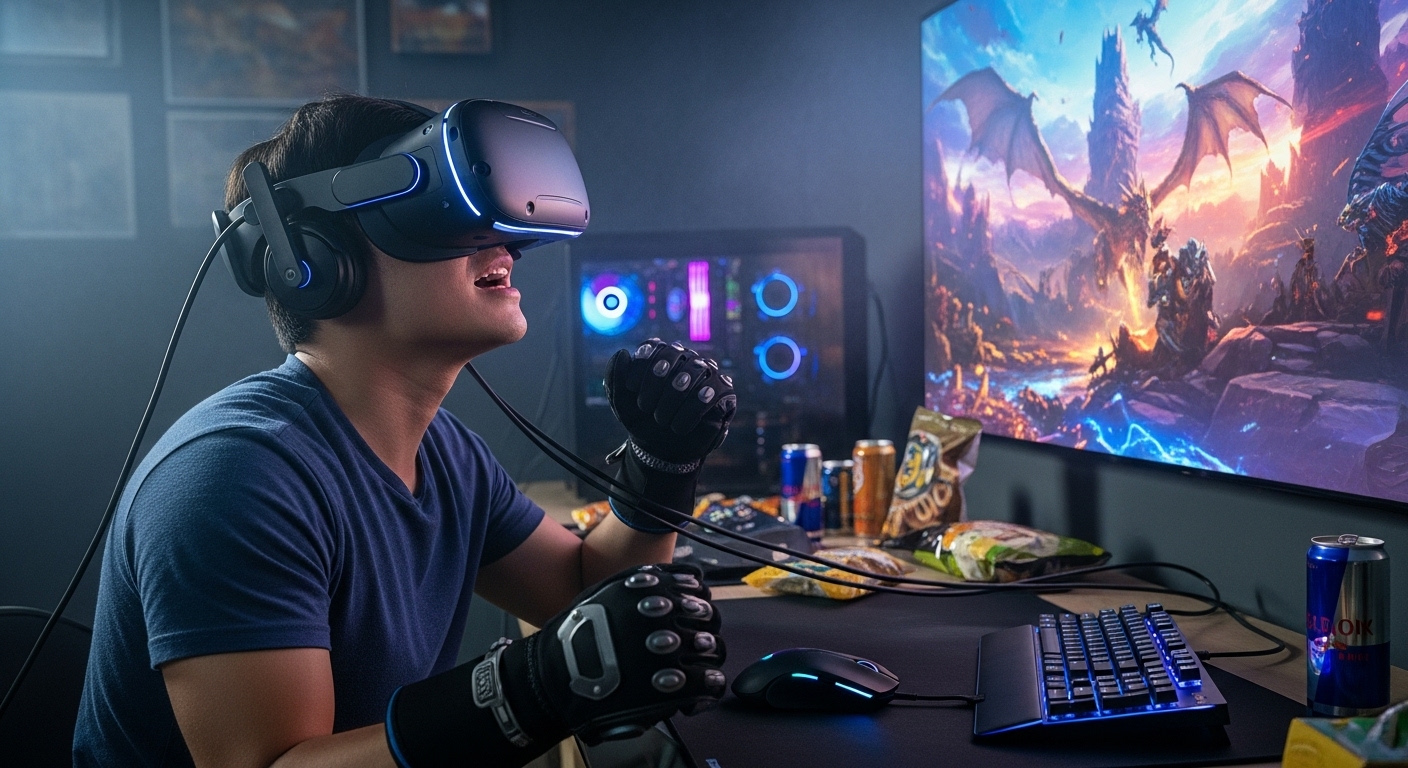
The future of gaming is closely linked to technological innovation. Virtual reality (VR) and augmented reality (AR) are creating fully immersive gaming experiences, where players can interact with digital environments in ways previously unimaginable. VR games offer a sense of presence and realism, while AR games, like Pokémon Go, blend the digital and physical worlds.
Artificial intelligence (AI) is also revolutionizing gaming. AI can create adaptive opponents, dynamic storylines, and personalized experiences that respond to individual player choices. Cloud gaming and streaming services are removing hardware barriers, allowing players to access high-quality games on any device with an internet connection.
The integration of blockchain technology and non-fungible tokens (NFTs) is introducing new economic models, enabling players to truly own in-game assets and trade them securely. These advancements are expanding the possibilities of what games can offer, both creatively and economically.
Educational and Therapeutic Uses of Games
Beyond entertainment, games are increasingly being used for educational and therapeutic purposes. Educational games teach math, language, history, and science in interactive ways that engage students more effectively than traditional methods. Serious games are used to simulate real-life scenarios, helping learners develop skills such as problem-solving, critical thinking, and decision-making.
Games are also used in therapy and rehabilitation. Cognitive training games assist patients recovering from brain injuries, while virtual reality games provide exposure therapy for anxiety and phobias. Physical games, such as those on motion-controlled consoles, support rehabilitation and physical therapy by encouraging movement and coordination. These applications highlight the versatility of games and their potential to contribute positively to health and education.
Challenges in the Gaming Industry
Despite its rapid growth, the gaming industry faces challenges. Issues such as addiction, online harassment, and excessive screen time require attention. Developers and regulators are increasingly emphasizing responsible gaming practices, parental controls, and community management to address these concerns.
Additionally, diversity and representation in games remain ongoing challenges. While progress has been made, there is still a need for inclusive storylines, diverse characters, and equitable opportunities for developers from underrepresented backgrounds. Addressing these issues is essential for the long-term sustainability and cultural relevance of gaming.
The Future of Gaming: Endless Possibilities
The future of games is limited only by imagination. With advancements in VR, AR, AI, and cloud technology, gaming experiences will continue to evolve, becoming more immersive, interactive, and socially connected. The line between entertainment, education, and social interaction will continue to blur, making games an integral part of daily life for millions around the world.
Gaming will also continue to grow as a professional field, with esports, streaming, game development, and digital entrepreneurship offering new career paths. The industry’s economic, cultural, and social impact will only expand, solidifying gaming as a major force in the entertainment landscape.
Conclusion: Games as a Pillar of Modern Society
Games are no longer simply pastimes; they are a reflection of human creativity, culture, and innovation. From ancient board games to sophisticated virtual worlds, games have evolved to offer entertainment, education, social connection, and professional opportunities. They challenge the mind, foster collaboration, and provide a safe space for experimentation and exploration.
As technology advances and the gaming landscape continues to grow, games will remain at the forefront of cultural, social, and economic change. They are a universal language, connecting people across the globe and enriching lives in ways that extend far beyond the screen. The evolution of games is far from over, and the future promises even more immersive, interactive, and transformative experiences for players of all ages.