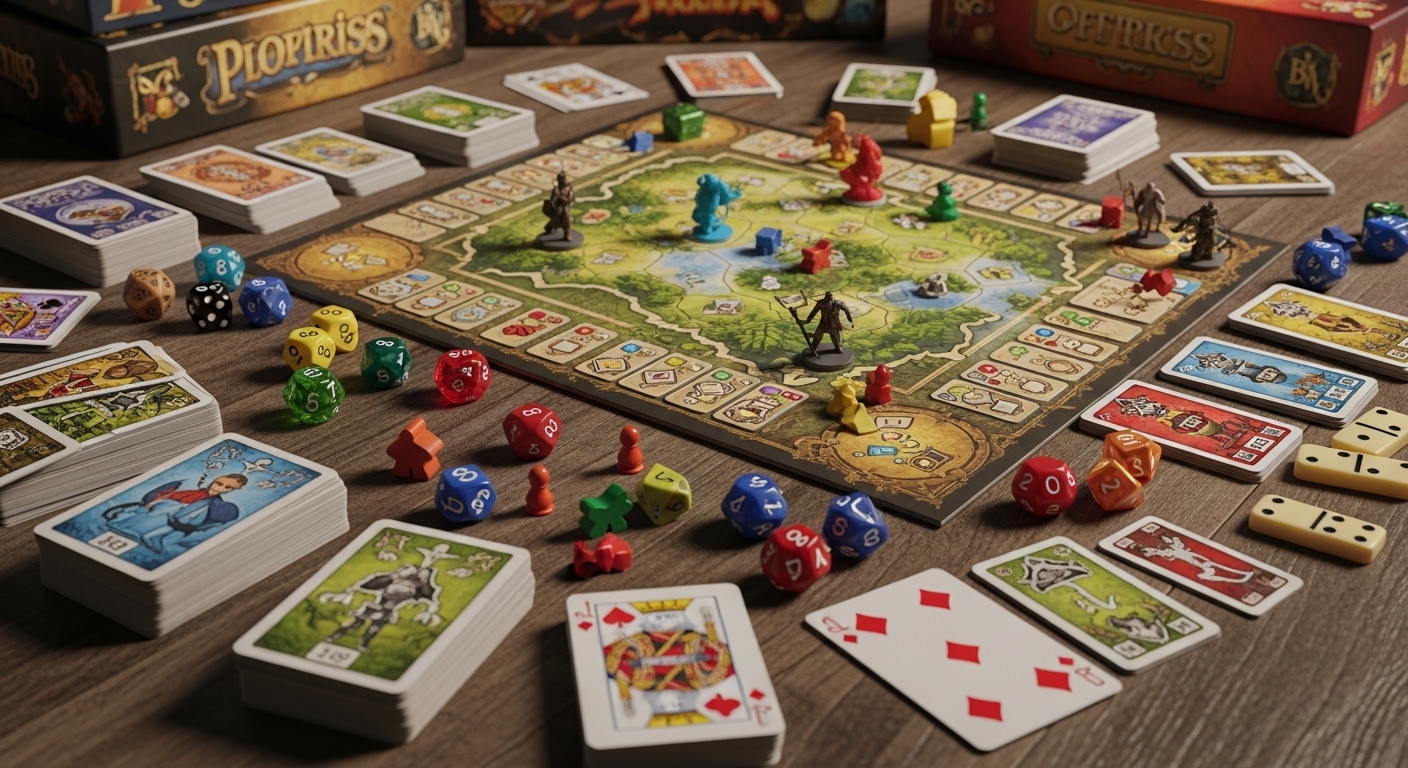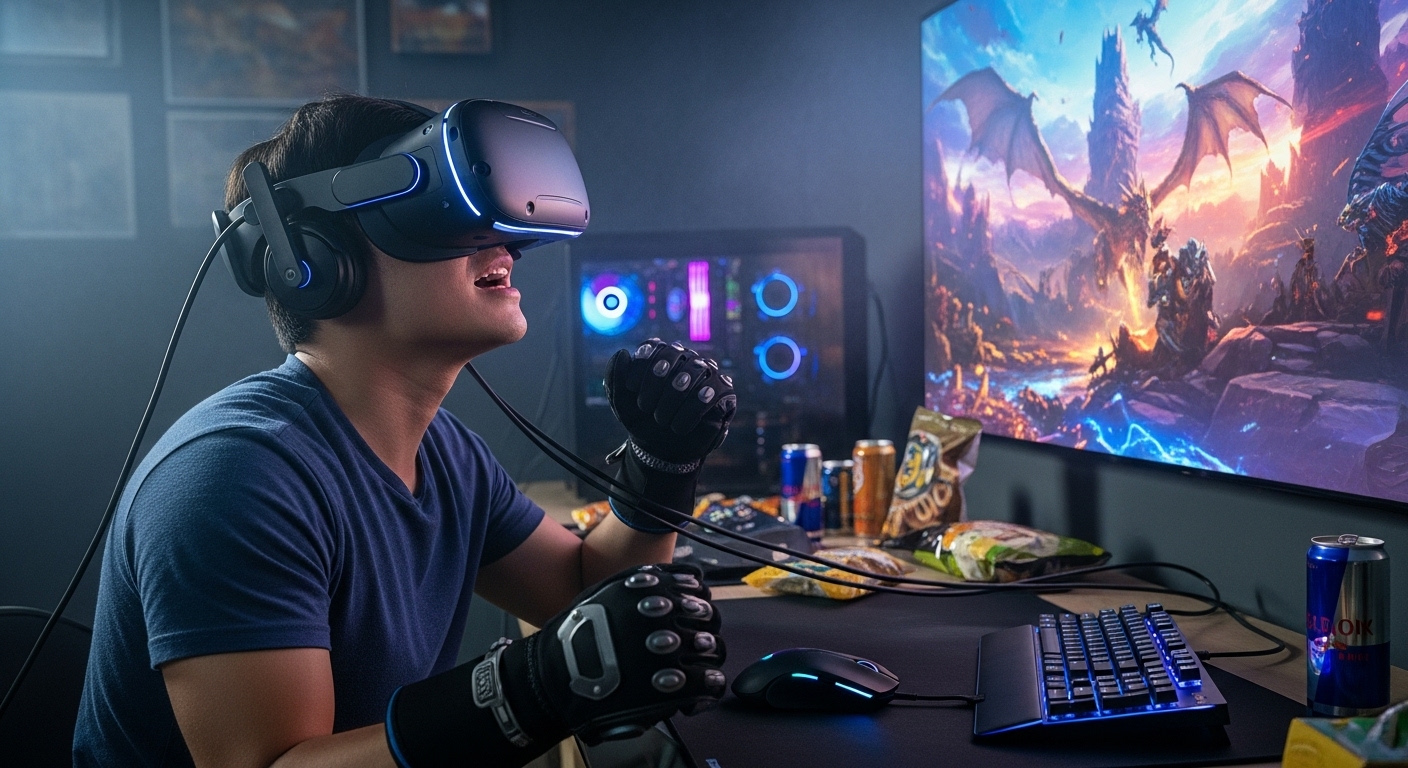

Games have always been an integral part of human culture, long before the advent of technology. From ancient board games like chess and Go to the intricate storytelling and complex mechanics of modern video games, play has been a universal human experience. Over the decades, video games have grown from a niche hobby into a global industry worth billions of dollars, captivating players of all ages across every corner of the world. This blog post will explore the fascinating journey of gaming, highlighting its evolution, cultural significance, and the exciting future ahead.
The Birth of Gaming: Early Pioneers and Arcade Days
The origins of video games can be traced back to the 1950s and 1960s, when the first experiments in interactive entertainment began. One of the earliest video games ever created was Tennis for Two, developed in 1958 by physicist William Higinbotham. It was a simple two-player tennis simulation displayed on an oscilloscope. While rudimentary, it set the stage for the explosion of interactive games that would follow.
The 1960s and 1970s saw the emergence of some of the first commercially successful video games. In 1972, the game Pong—created by Atari founder Nolan Bushnell—was released as the first commercially viable arcade game. This simple game, where players controlled paddles to bounce a ball back and forth, captivated audiences in arcades, marking the beginning of the arcade gaming boom. Pong was a game-changer in the world of entertainment, proving that video games had a market and could be more than just a curiosity.
By the late 1970s, arcade gaming culture was in full swing, with titles like Space Invaders (1978), Asteroids (1979), and Pac-Man (1980) becoming cultural icons. Arcades became social hubs where people gathered to compete for high scores, and the landscape of gaming began to shift from simple novelties to full-fledged entertainment experiences.
The Rise of Consoles: The 1980s and 1990s
The 1980s marked a pivotal time in the development of video games, as home gaming consoles began to gain popularity. The Atari 2600, released in 1977, became one of the first successful home consoles, bringing arcade-style games directly into people’s living rooms. The rise of home consoles helped expand the gaming market beyond arcades and gave rise to a new wave of developers and game designers.
During this time, the gaming industry also experienced a boom in creativity, with the creation of some of the most iconic franchises in gaming history. Games like Super Mario Bros. (1985), created by Shigeru Miyamoto for the Nintendo Entertainment System (NES), revolutionized platforming games with innovative mechanics, vibrant visuals, and a whimsical design that became a hallmark of Nintendo’s style. The Legend of Zelda (1986) followed, introducing open-world exploration and puzzle-solving in a way that set the standard for many action-adventure games to come.
The 1990s brought significant advancements in technology, including the transition from 2D to 3D graphics. The release of the Sony PlayStation in 1994 marked the beginning of a new era for gaming, with titles like Final Fantasy VII (1997) and Gran Turismo (1997) pushing the boundaries of what video games could achieve in terms of storytelling, realism, and gameplay.
At the same time, the 16-bit console wars between Sega’s Genesis and Nintendo’s Super Nintendo Entertainment System (SNES) fueled fierce competition and innovation. Games like Sonic the Hedgehog (1991) and Street Fighter II (1991) became instant classics, and the rivalry between these two companies helped shape the gaming landscape of the 1990s.
The Rise of PC Gaming: From Strategy to First-Person Shooters
While consoles were dominating the home entertainment market, personal computers (PCs) were also becoming an important platform for gaming. The 1990s saw the explosion of PC gaming, particularly in the realms of strategy and first-person shooter (FPS) games. Games like Warcraft (1994), StarCraft (1998), and Command & Conquer (1995) brought real-time strategy (RTS) games into the mainstream, requiring players to think critically, manage resources, and develop complex strategies.
The rise of the internet in the late 1990s and early 2000s led to the development of online multiplayer games, changing the way people interacted with one another in virtual spaces. Quake (1996) and Unreal Tournament (1999) brought fast-paced multiplayer FPS action to the masses, and games like Diablo II (2000) introduced online role-playing experiences that kept players coming back for years.
The late 1990s and early 2000s also marked the rise of massively multiplayer online role-playing games (MMORPGs) with the release of EverQuest (1999) and World of Warcraft (2004). These games allowed thousands of players to interact in vast virtual worlds, creating a new kind of social experience in gaming. The success of these games laid the foundation for future online games, and their influence is still felt today in titles like Final Fantasy XIV and Guild Wars 2.
The Modern Era of Gaming: Open Worlds, Storytelling, and Social Connectivity
As technology continued to advance, so did the scope and ambition of video games. The 2000s and 2010s saw the rise of open-world games, with titles like Grand Theft Auto III (2001) and The Elder Scrolls V: Skyrim (2011) offering players enormous, detailed worlds to explore at their own pace. These games pushed the boundaries of what was possible in terms of game design, giving players the freedom to approach tasks in various ways, whether through combat, exploration, or dialogue.
Storytelling in video games also reached new heights in this period. Games like The Last of Us (2013), BioShock (2007), and Red Dead Redemption 2 (2018) introduced players to deeply immersive narratives that rivaled those of movies and television. These games didn’t just offer entertainment—they crafted emotional, thought-provoking experiences that engaged players in ways that transcended traditional media.
The rise of online multiplayer and esports in the 2010s also marked a new era for gaming. Games like League of Legends (2009), Fortnite (2017), and Overwatch (2016) became global phenomena, attracting millions of players and viewers to their competitive scenes. Esports tournaments now fill arenas, with players competing for multi-million-dollar prize pools and earning the same level of fame and recognition as professional athletes.
Meanwhile, platforms like Twitch and YouTube gaming allowed players to broadcast their gameplay, creating a new form of entertainment where gamers could not only play but also watch others play. The “Let’s Play” culture and the rise of gaming influencers transformed gaming into a spectator sport, further cementing its place in popular culture.
The Future of Gaming: Virtual Reality, AI, and Cloud Gaming
The next frontier for gaming lies in immersive technologies like virtual reality (VR) and augmented reality (AR). VR gaming has already begun to make waves, with systems like the Oculus Rift and PlayStation VR offering players the chance to enter fully immersive, 3D worlds. Games like Half-Life: Alyx (2020) have shown that VR can deliver experiences that feel more lifelike and interactive than ever before, while also offering entirely new ways of interacting with virtual spaces.
Augmented reality, popularized by games like Pokémon GO (2016), blends the digital and physical worlds, allowing players to experience interactive content that overlays the real world. As AR technology continues to improve, we can expect even more innovative games that blur the lines between the real and virtual worlds.
Cloud gaming is also set to transform how we access and play games. Services like Google Stadia (2020) and Xbox Cloud Gaming allow players to stream games directly to their devices without the need for powerful hardware. As internet speeds continue to improve and cloud infrastructure becomes more robust, the accessibility of games will expand, enabling players to enjoy high-quality titles on virtually any device, from smartphones to low-end laptops.
Artificial intelligence (AI) is another area poised to revolutionize gaming. AI-powered NPCs (non-playable characters) could create more dynamic and reactive worlds, where the actions of the player truly shape the narrative and the environment. We may also see the use of AI in game design, where algorithms help create procedurally generated worlds, missions, and even entire storylines, offering a nearly infinite number of possibilities for gameplay.
Conclusion: The Unstoppable Growth of Gaming
From its humble beginnings in arcades to the sophisticated, immersive experiences we enjoy today, gaming has come a long way. What started as a simple form of entertainment has evolved into a multi-faceted cultural force that touches almost every part of our lives. Whether it’s the thrill of competition, the joy of exploration, or the power of storytelling, video games offer something for everyone. As technology continues to advance, the future of gaming looks brighter than ever. With the advent of VR, AR, cloud gaming, and AI, the next chapter in the story of video games promises to be even more exciting, immersive, and dynamic than anything we’ve seen before. The world of gaming is just getting started, and there’s never been a more thrilling time to be a part of it.