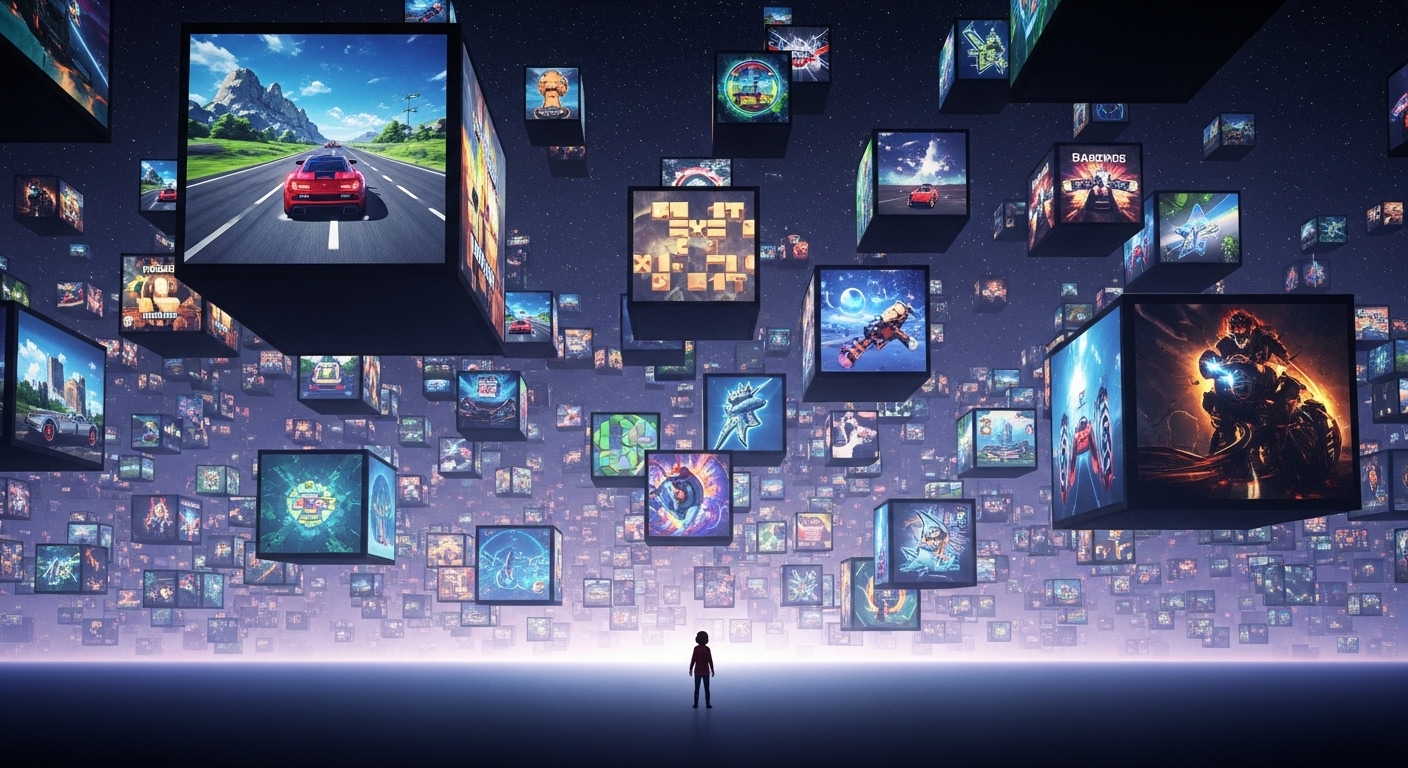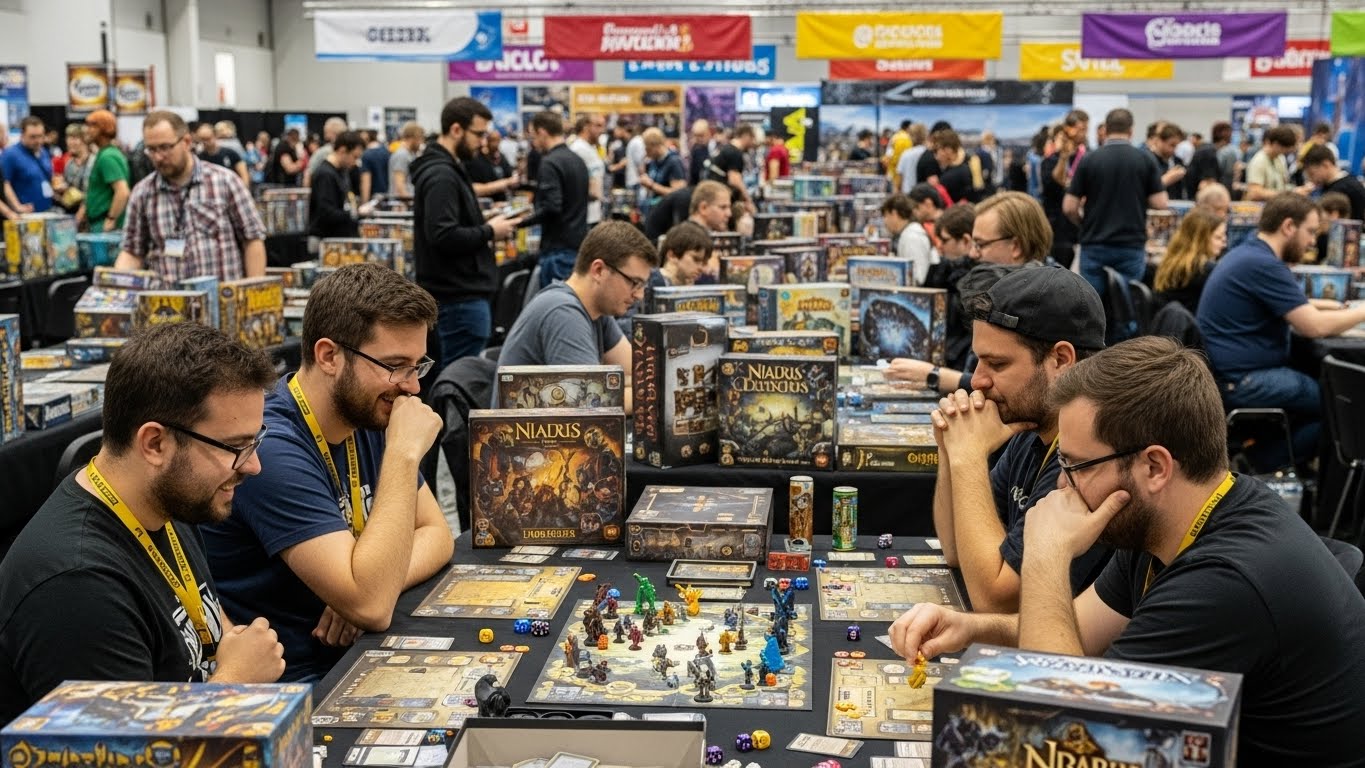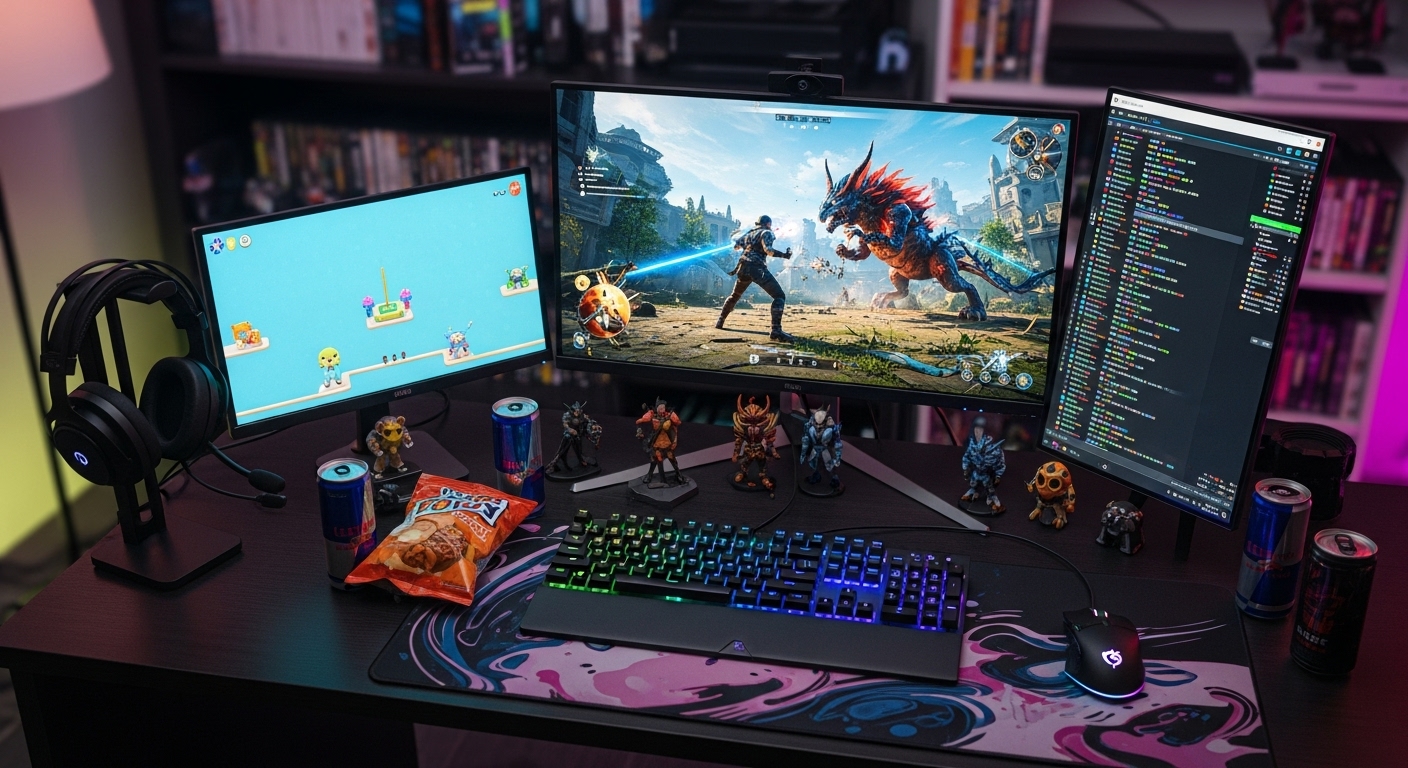

Introduction: The Universal Appeal of Games
Games have always been a part of human life. From ancient civilizations where dice and board games were tools of leisure, to the complex virtual worlds of today, games have evolved into a cornerstone of modern entertainment. What began as simple diversions have grown into sophisticated systems that not only entertain but also educate, connect, and challenge us. Over the decades, the world of gaming has transformed from physical games that were played face-to-face to immersive digital experiences enjoyed by millions worldwide. This blog delves into the rich history and impact of games, exploring their evolution from early forms to their current role in the global digital landscape.
The Birth of Games: From Ancient Civilizations to Modern Entertainment
The origins of gaming are as old as human civilization itself. Evidence of early games can be found in ancient cultures across the globe. The Egyptian game Senet, which dates back over 5,000 years, is considered one of the oldest known board games. Played by both royals and commoners, Senet was not only a form of entertainment but also had spiritual significance, symbolizing the journey of the soul in the afterlife. Similarly, ancient China gave the world Go, a strategic board game that remains popular today.
In the early stages of human history, games were often tied to ritual, education, and the development of strategy. The skills required in games like chess—patience, foresight, and strategic thinking—were valued in ancient cultures. These early games provided a way for people to challenge their intellect, learn new skills, and form social bonds, setting the foundation for what would become an entire industry in the modern world.
The Rise of Digital Games: From Arcades to Home Consoles
The 20th century saw the dawn of the digital age, and with it, the birth of video games. The first arcade game, Pong, was released in 1972 by Atari, marking the beginning of a new era in entertainment. While simple by today’s standards, Pong was a major innovation at the time, offering interactive play and the thrill of competition. The rise of arcade games in the 1970s and 1980s turned video games into a cultural phenomenon, attracting players of all ages to arcades where they could compete for high scores and socialize with others.
During the same period, home gaming consoles like the Atari 2600 brought video games into the living room, making them accessible to a wider audience. The success of home consoles set the stage for the explosion of video games in the 1980s and 1990s. The introduction of Nintendo’s Entertainment System (NES) in 1985 revolutionized gaming, not just because it allowed people to play games at home, but because it introduced characters like Mario and Zelda, who became icons of gaming culture. These franchises became the foundation for many of the most successful gaming companies of today.
As the technology behind video games improved, so did the games themselves. The 1990s saw the rise of 3D graphics and more complex game mechanics. Consoles like the Sony PlayStation and Sega Saturn brought more immersive gaming experiences to the market, with games like Final Fantasy VII and Super Mario 64 pushing the boundaries of what was possible in terms of storytelling, graphics, and gameplay. These games not only defined a generation of gamers but also set new standards for future game development.
The Age of Online Gaming: Connecting Players Around the World
The introduction of the internet in the late 1990s and early 2000s brought a new dimension to gaming—online play. The ability to connect players from all over the world marked a significant shift in how games were experienced. No longer were games confined to a single-player experience or local multiplayer sessions. The advent of massively multiplayer online games (MMOs) like World of Warcraft in 2004 allowed players to explore vast virtual worlds and interact with others in real-time, creating an entirely new form of social interaction.
Online gaming revolutionized the industry in several ways. Not only did it expand the potential for games to be played across different locations, but it also transformed gaming into a communal experience. Gamers could now team up with friends or strangers, join guilds, and compete in global competitions. Games like Counter-Strike, League of Legends, and Fortnite became global phenomena, attracting millions of players and fostering vibrant online communities.
In addition to online multiplayer games, the rise of digital distribution platforms like Steam and the PlayStation Network made it easier for players to download and play games from the comfort of their homes. These platforms have also facilitated the growth of indie game development, giving smaller studios the ability to reach a global audience. The increase in online gaming communities has fostered a new era of competitive gaming, where esports have become a billion-dollar industry and a mainstream form of entertainment.
Mobile Gaming: The Future in Your Pocket
The launch of smartphones in the late 2000s triggered another seismic shift in the gaming landscape. With the rise of mobile gaming, video games were no longer confined to home consoles or PCs. Games like Angry Birds and Candy Crush Saga took the world by storm, offering quick, accessible gameplay that could be enjoyed on the go. Mobile gaming made it possible for anyone with a smartphone to experience gaming, regardless of their location or time availability.
What makes mobile gaming unique is its accessibility and simplicity. Many mobile games are designed for quick play sessions, making them perfect for busy lifestyles. Additionally, the casual nature of many mobile games has attracted players who may not consider themselves traditional gamers. This accessibility has opened up gaming to an entirely new audience, contributing to the explosion of mobile games in recent years.
However, mobile gaming is not just about casual games. As smartphones became more powerful, developers began creating more complex games that rivaled traditional console experiences. Titles like Clash of Clans, PUBG Mobile, and Call of Duty Mobile have shown that mobile gaming can support deep, engaging gameplay and even massive multiplayer battles. The advent of cloud gaming is also poised to change the future of mobile gaming, enabling players to stream console-quality games directly to their devices, further blurring the lines between mobile and console gaming.
The Social and Cultural Impact of Gaming
Gaming has become an integral part of modern culture. It’s no longer just about playing a game for fun; it’s about building communities, creating content, and participating in a global cultural phenomenon. Platforms like Twitch and YouTube have allowed gamers to become content creators, streaming their gameplay and commentary to millions of viewers around the world. These platforms have given rise to a new breed of celebrities—gamers who make their living by entertaining and engaging with audiences in real-time.
Furthermore, gaming has become an avenue for creative expression. Games like Minecraft and Roblox allow players to create their own virtual worlds, games, and experiences. This has opened up new possibilities for users to showcase their creativity and even make a career out of it. The growing importance of user-generated content in gaming has not only transformed the industry but also empowered players to take a more active role in the development of the games they love.
On a cultural level, games have become a major influence on other forms of entertainment, including film, television, and literature. The success of games like The Witcher has led to the creation of successful TV adaptations, while franchises like Assassin’s Creed have been adapted into films. The storytelling in games has become increasingly sophisticated, and many games now feature complex narratives and emotional arcs that rival the best in film and literature.
The Educational Value of Games
Games are no longer just a source of entertainment—they are also valuable tools for learning. Educational games have been used for decades to teach a variety of subjects, from math and history to problem-solving and critical thinking. The interactive nature of games makes them highly engaging and effective at helping players retain information. Games like SimCity and Civilization teach complex concepts like city planning, economics, and strategy while providing players with an engaging, hands-on experience.
In addition to traditional educational games, many commercial video games offer cognitive benefits. Strategy games, puzzle games, and role-playing games (RPGs) help players develop skills such as planning, multitasking, and resource management. Even action-packed games can improve reflexes and hand-eye coordination. Games are being used in schools, workplaces, and even therapeutic settings to teach skills, improve learning outcomes, and help individuals manage stress or anxiety.
The Future of Gaming: Virtual Reality, AI, and Beyond
As technology continues to advance, the future of gaming holds incredible possibilities. Virtual reality (VR) and augmented reality (AR) are two key areas that will shape the next generation of gaming. VR headsets like the Oculus Rift and PlayStation VR are already providing players with more immersive experiences, where they can step into digital worlds and interact with the environment in ways that were once thought impossible. AR, on the other hand, blends the real world with virtual elements, as seen in games like Pokémon Go.
Artificial intelligence (AI) is also set to play a major role in the evolution of games. AI is already being used to create smarter NPCs (non-playable characters), more dynamic environments, and personalized gameplay experiences. AI can learn from players’ actions and adapt the game accordingly, making each playthrough unique. Additionally, AI could be used to develop procedurally generated worlds, where the game world is constantly changing and evolving based on player actions.