
Introduction
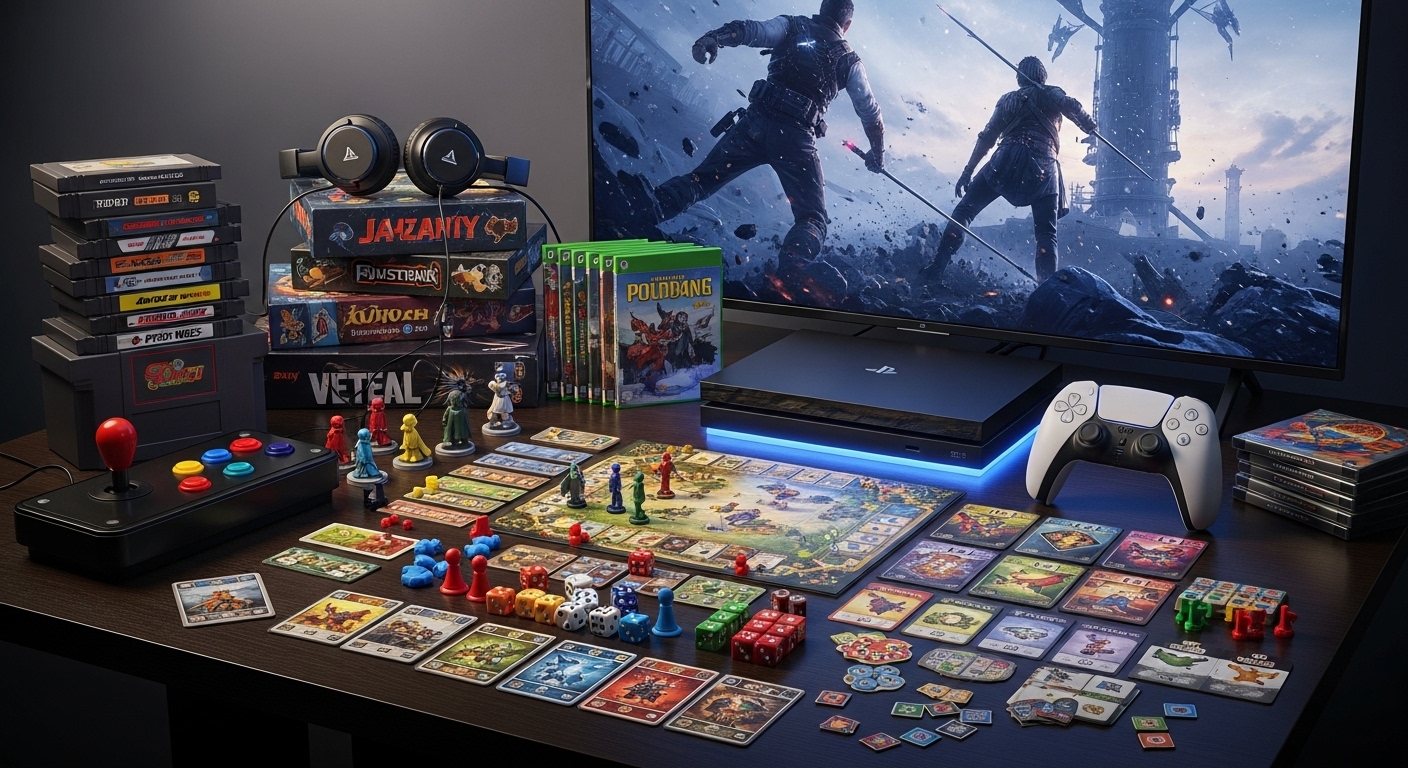
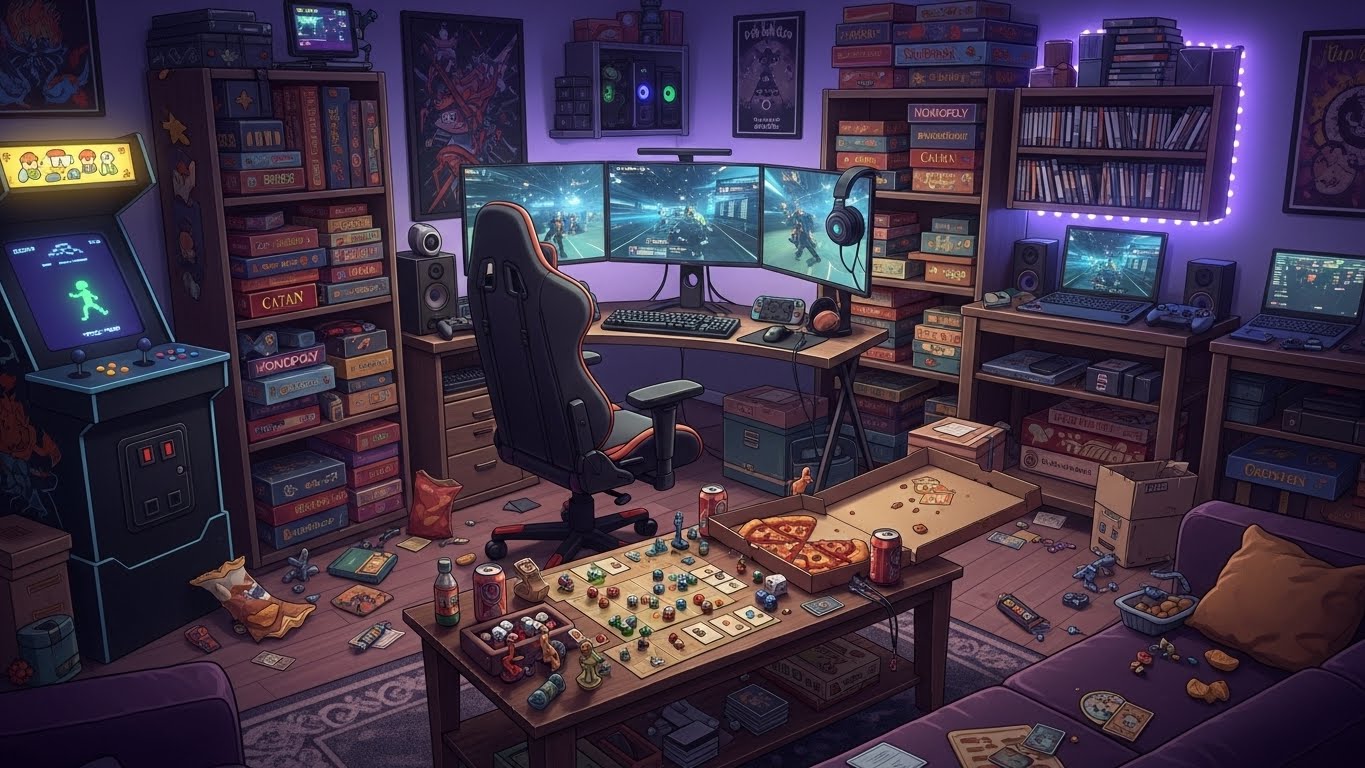
Games have become a vital part of modern entertainment, influencing how people spend their free time, learn new skills, and connect with others. From simple childhood play to complex digital adventures, games have evolved into a global phenomenon that combines creativity, competition, and imagination. Today, gaming is not only a source of enjoyment but also a bridge between people and cultures across the world.
The Early Days of Gaming
The concept of gaming began long before technology entered our lives. Traditional games such as chess, ludo, and card games were sources of joy, strategy, and social bonding. They encouraged players to think critically, develop patience, and enjoy the spirit of competition. These simple forms of play laid the foundation for what would later become one of the most advanced and influential industries in the world.
The Birth of Video Games
The introduction of video games in the twentieth century marked a major turning point. Early arcade hits like Pong and Space Invaders captured the imagination of millions. As technology advanced, consoles and computers made gaming more personal and accessible. Players could explore worlds, solve puzzles, and experience stories in ways that were once impossible. This new form of entertainment quickly grew from niche hobby to mainstream passion.
The Power of Technology in Gaming
Modern gaming is driven by rapid technological progress. High-definition graphics, realistic sound effects, and virtual environments have turned games into immersive experiences. Players can now step into digital worlds that feel alive, complete with detailed characters and dynamic environments. The blend of art and technology has transformed gaming into a unique storytelling medium that engages the mind and emotions simultaneously.
The Social Side of Gaming
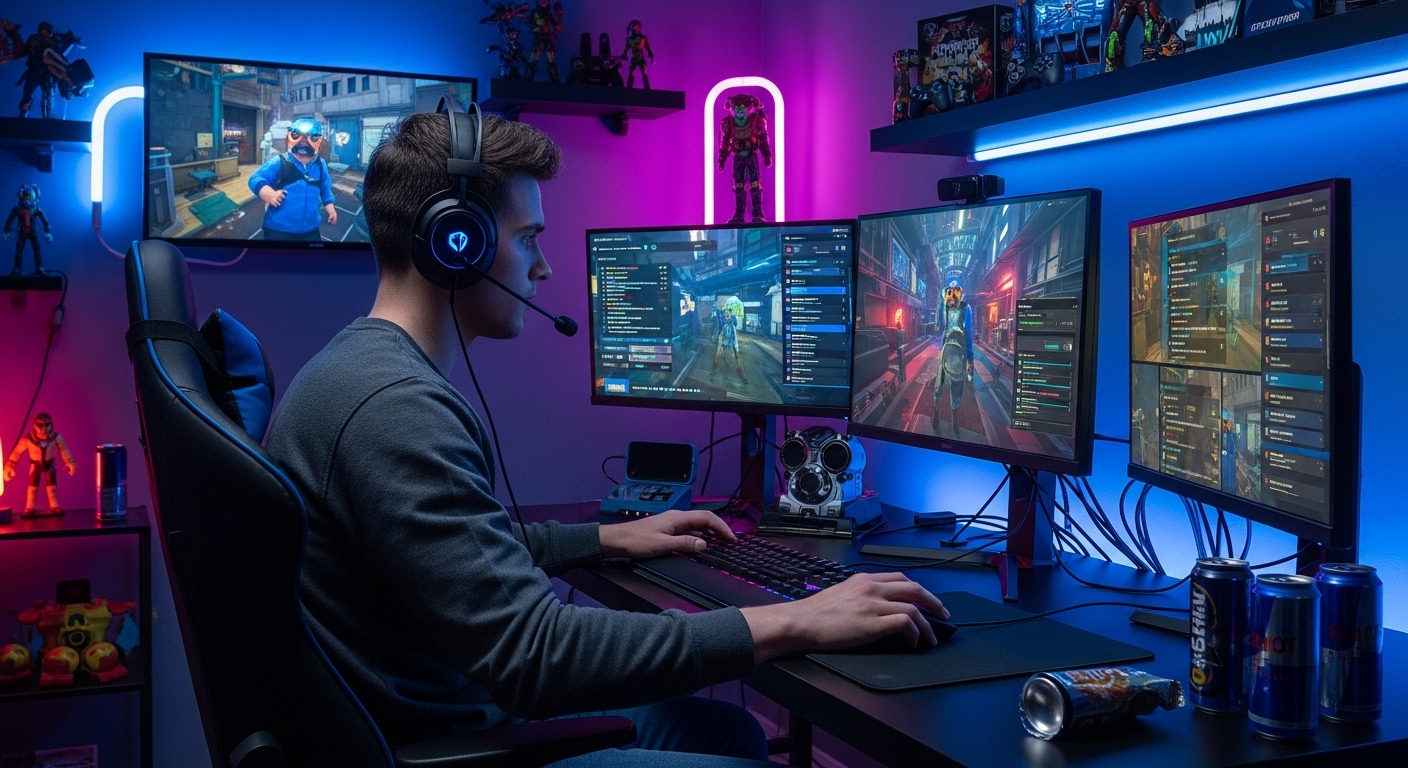
One of the most remarkable changes in the gaming world is the rise of social interaction. Online gaming allows people from different countries and backgrounds to play together, communicate, and form friendships. Multiplayer games encourage teamwork, leadership, and cooperation. In many ways, gaming has become a new kind of social network where players share experiences and memories that go beyond the screen.
Mobile Gaming: Entertainment on the Go
The rise of mobile technology has made gaming more accessible than ever. With smartphones and tablets, anyone can enjoy games anytime, anywhere. Mobile games are simple, fun, and designed for players of all ages. They provide quick entertainment and bring joy to millions of people daily. This accessibility has made gaming one of the most popular pastimes in the modern world.
Gaming as a Learning Tool
Games are not only entertaining—they are also powerful tools for education and skill development. Many games enhance memory, focus, and problem-solving abilities. Strategy and simulation games teach decision-making and critical thinking, while creative games encourage innovation and imagination. Educators are increasingly using games to make learning interactive and enjoyable for students.
The Rise of Competitive Gaming
Esports, or competitive gaming, has grown into a global industry. Professional players compete in tournaments watched by millions of fans worldwide. These events showcase incredible skill, strategy, and teamwork. Gaming has become a legitimate career path for talented players, proving that it can be both a passion and a profession.
The Future of Gaming
The future of gaming looks brighter than ever. Innovations such as virtual reality, augmented reality, and artificial intelligence are creating new ways to play and experience games. Players will soon be able to interact with games on a deeper emotional level, blurring the line between reality and imagination. As technology continues to evolve, so will the ways we experience fun, challenge, and creativity.
Conclusion
Games have transformed from simple sources of amusement into a powerful cultural and creative force. They entertain, teach, and connect people across generations and continents. Whether played for relaxation, competition, or learning, games have become an essential part of human life. In a world that is constantly changing, gaming continues to remind us that play is not just about fun—it is about growth, imagination, and connection.