Introduction: The Timeless Allure of Play
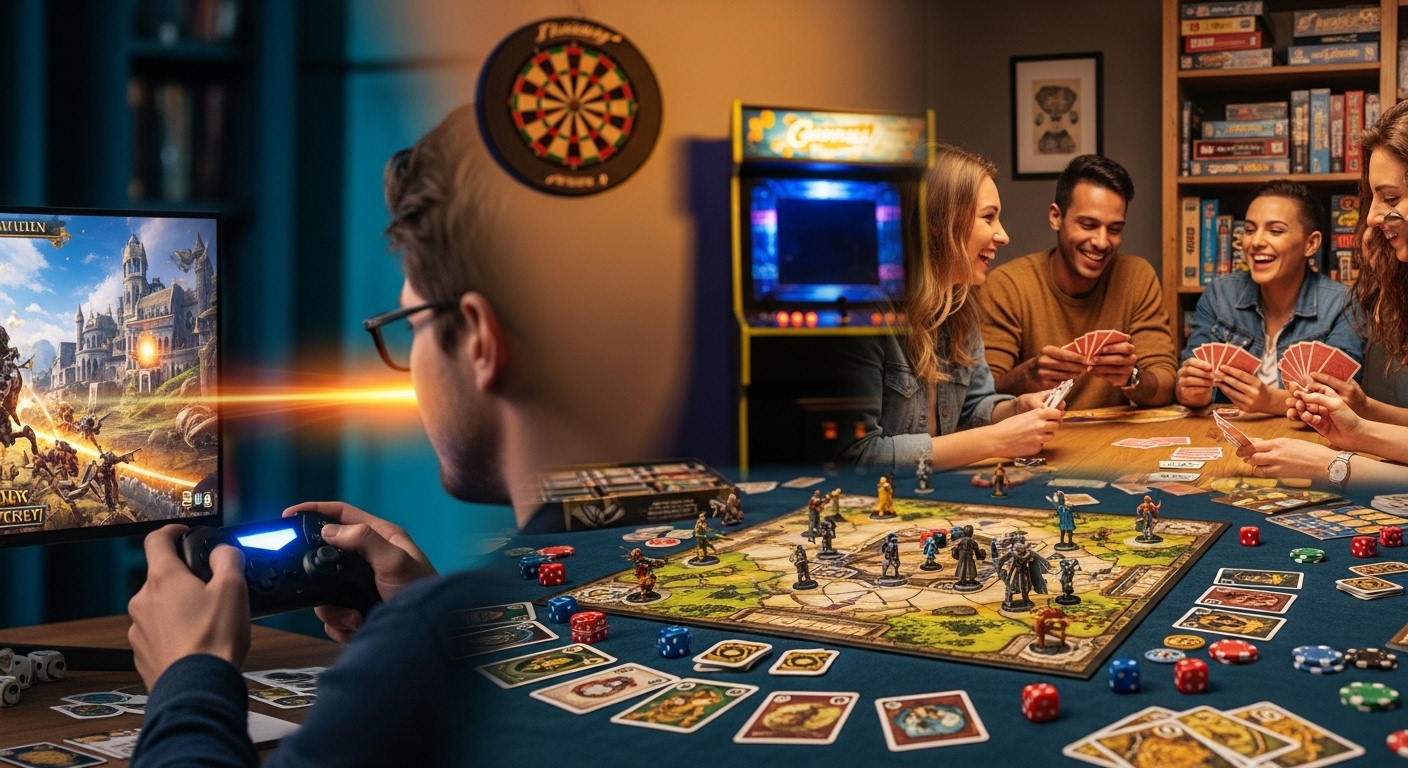
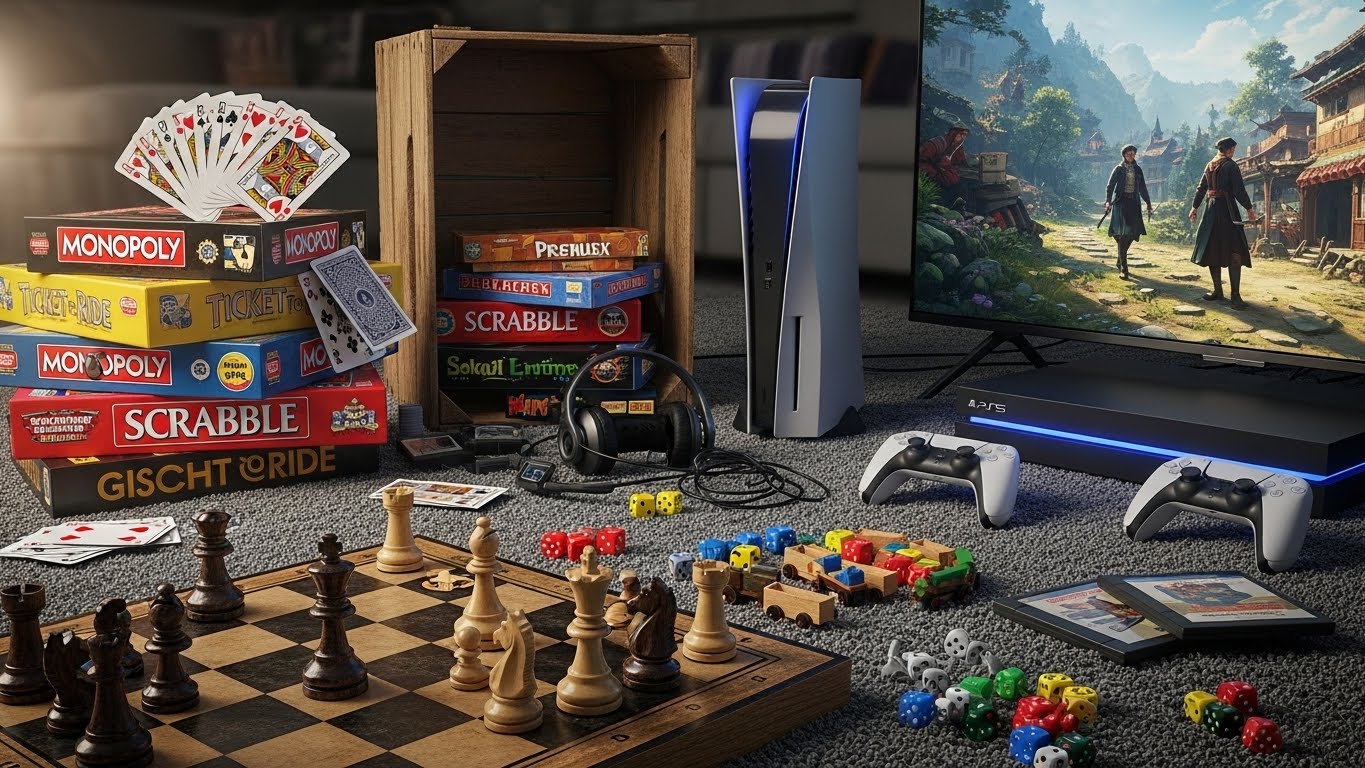
Human beings have always been drawn to play. From ancient board games carved into stone to the hyper-realistic digital worlds of today, games have served as a universal language that transcends geography, age, and time. They entertain us, challenge us, shape our imaginations, and often reflect the values of the societies that create them. In a world where technology evolves faster than ever, games have become more than a pastime; they are a cultural force, a learning tool, and even a pathway to new careers. This blog explores the multifaceted world of games, examining why we play, how games influence our development, and what the future of gaming may hold.
The Psychology of Play: Why Games Captivate Us
Games activate some of the most powerful psychological mechanisms in the human brain. Whether it is the thrill of competition, the joy of achievement, or the satisfaction of solving a difficult puzzle, games provide immediate feedback and reward cycles that keep us engaged. These experiences stimulate dopamine, the neurotransmitter associated with pleasure and motivation.
Moreover, games offer a unique opportunity to experience challenges in a controlled environment. Failure is allowed and even encouraged, as it becomes part of the learning process rather than a setback. This dynamic helps players develop resilience, patience, and strategic thinking. It is no coincidence that many educational tools now borrow elements from game design, recognizing their ability to motivate and engage learners of all ages.
The Evolution of Games: From Simple Pastimes to Complex Worlds
Early human civilizations played games for both leisure and survival training. Think of throwing stones for accuracy or early forms of wrestling to build physical strength. Over time, games evolved into more structured activities. Ancient board games like Senet or Go were more than entertainment; they were tied to cultural beliefs, strategy, and philosophy.
The 20th century witnessed a massive expansion in game design, from traditional sports to tabletop role-playing games and the explosion of digital gaming. Video games, in particular, revolutionized the meaning of play. What began with pixelated characters and simple mechanics grew into immersive narratives with emotional depth and visually stunning environments. Today, games are not just programmed experiences; they are interactive worlds shaped by storytelling, art, music, and player choice.
Games as Learning Tools: The Rise of Gamification
Schools, businesses, and educators around the world are increasingly adopting game-based principles to enhance engagement. Gamification—using game-like elements such as points, badges, and challenges—has proven effective in improving motivation and learning outcomes.
For children, educational games introduce concepts like numbers, language, problem-solving, and creativity in a playful way that feels less like studying and more like exploring. For adults, serious games and simulations help with skill development, whether for professional training, leadership development, or cognitive improvement. Even fitness programs use game-like systems to keep users motivated and consistent.
Games as Social Spaces: Building Communities and Friendships
Games have always had a social component, but modern gaming has turned this into something extraordinary. Multiplayer games allow people from different parts of the world to collaborate, compete, and form lasting friendships. They become virtual meeting grounds where individuals exchange ideas, support one another, and build communities centered around shared interests.
Online gaming communities often create their own cultures, languages, and inside jokes. They form teams, participate in tournaments, and sometimes even meet offline. For many players, games offer a sense of belonging and identity that they may not find elsewhere. Far from the stereotype of isolation, many gamers are highly social, connected through the digital worlds they love.
The Artistic Value of Games: A New Form of Creative Expression
Modern video games represent one of the most sophisticated forms of art. They combine visual design, narrative storytelling, soundscapes, character development, and interactive experiences in a way no other medium can match. A painting captures a moment in time, a film tells a story, but a game invites the player into the creation of that story.
Game developers are artists and engineers at once, crafting worlds that evoke emotion and provoke thought. Whether it is a visually majestic fantasy adventure, a deeply emotional narrative about human relationships, or a minimalist puzzle game built on elegant design, games offer a uniquely immersive artistic experience.
The Cognitive Benefits of Gaming: More Than Just Fun
Research increasingly shows that playing games can improve cognitive abilities. Puzzle games enhance problem-solving skills, strategy games sharpen planning and critical thinking, and action games improve reaction time and spatial awareness. Even casual games can help reduce stress and provide mental stimulation.
Games also encourage persistence. Many players spend hours mastering difficult levels, learning from mistakes, and refining strategies. This type of perseverance can translate into real-life resilience and adaptability. Moderation is key, but when balanced well, gaming can be both enjoyable and mentally enriching.
The Competitive World of Esports: A New Arena of Skill
Esports has transformed gaming from a recreational activity into a professional sport watched by millions. Competitive gaming events fill stadiums and attract global audiences similar to major traditional sports. Players practice for hours daily, study strategies, and train as rigorously as athletes in physical sports.
This new industry has created a wide range of career opportunities, including commentators, coaches, analysts, content creators, and game designers. It has also sparked discussions about the nature of sports, the legitimacy of competitive gaming, and the physical and mental demands placed on players.
Games and Storytelling: Interactive Narratives That Shape Emotions
One of the most powerful aspects of modern gaming is the ability to make players active participants in a story. Unlike films or books, games offer branching choices, multiple endings, and consequences that depend on player decisions. This interactivity creates emotional engagement on a deeper level.
Players may feel responsible for the outcomes of their actions, forming bonds with characters, making morally challenging decisions, or experiencing stories from perspectives they may never encounter in their real lives. These narrative experiences can foster empathy, open-mindedness, and emotional intelligence.
The Future of Gaming: Innovation Beyond Imagination
The gaming industry shows no signs of slowing down. Emerging technologies are unlocking new possibilities that blur the boundaries between the digital and physical worlds. Virtual reality creates fully immersive environments where players can experience the world from entirely new angles. Augmented reality mixes digital elements with real surroundings, offering unique experiences in everyday settings.
Artificial intelligence is pushing the boundaries of game behavior, allowing characters and worlds to react more naturally to player input. As technology advances, games may become even more personalized, adaptive, and emotionally intelligent. The future of gaming promises deeper immersion, richer stories, and innovative ways to interact with digital worlds.
Conclusion: Games as Windows Into Human Potential
Games are far more than entertainment. They shape our minds, cultures, and relationships. They teach us perseverance, creativity, teamwork, and strategy. They allow us to step into different worlds, explore new perspectives, and connect with others across boundaries. As technology continues to evolve, games will remain a vital part of our lives, offering not just joy but insight into what it means to be human.
In the end, the world of games is an infinite playground, filled with possibilities limited only by imagination. Whether you play to relax, learn, compete, or explore, games provide something for everyone—a testament to their enduring power and universal appeal.