Introduction: The Power of Play
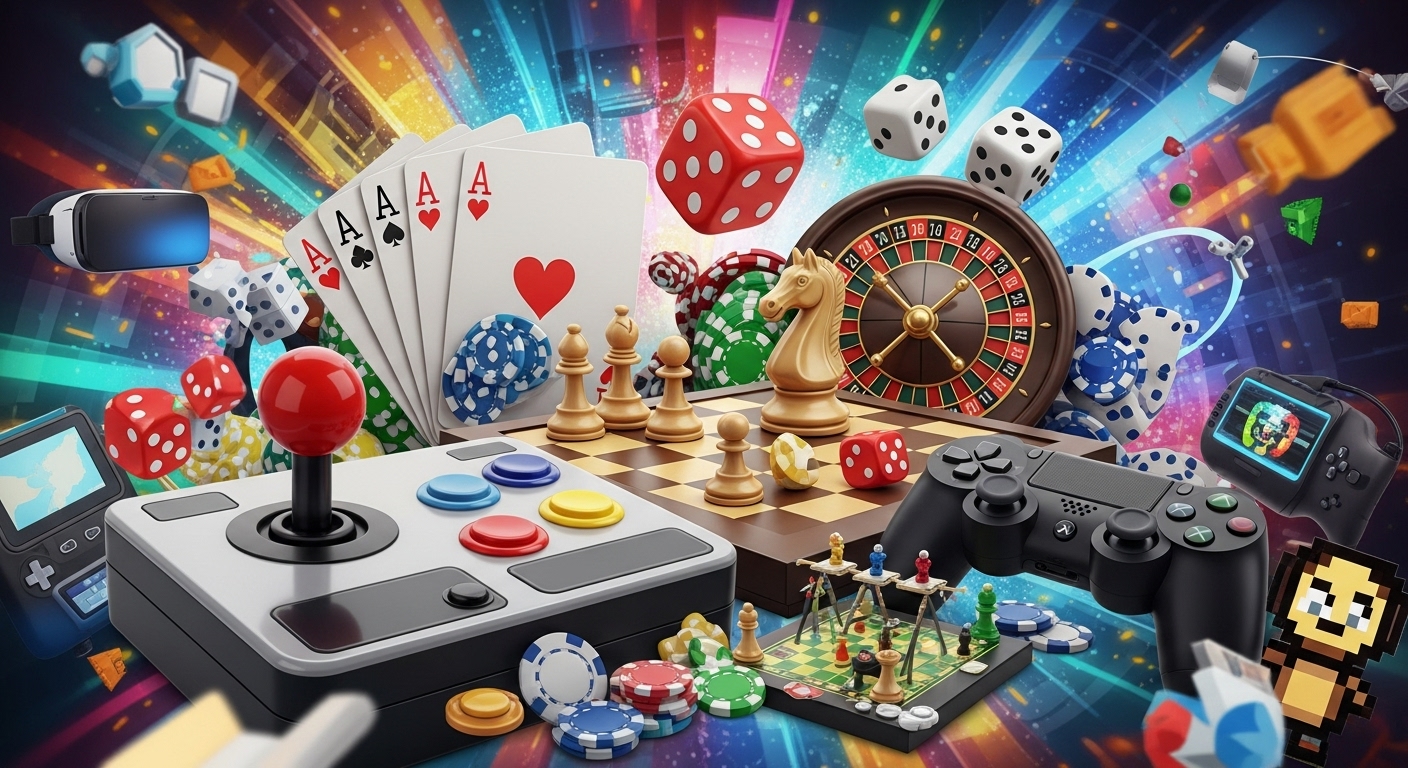
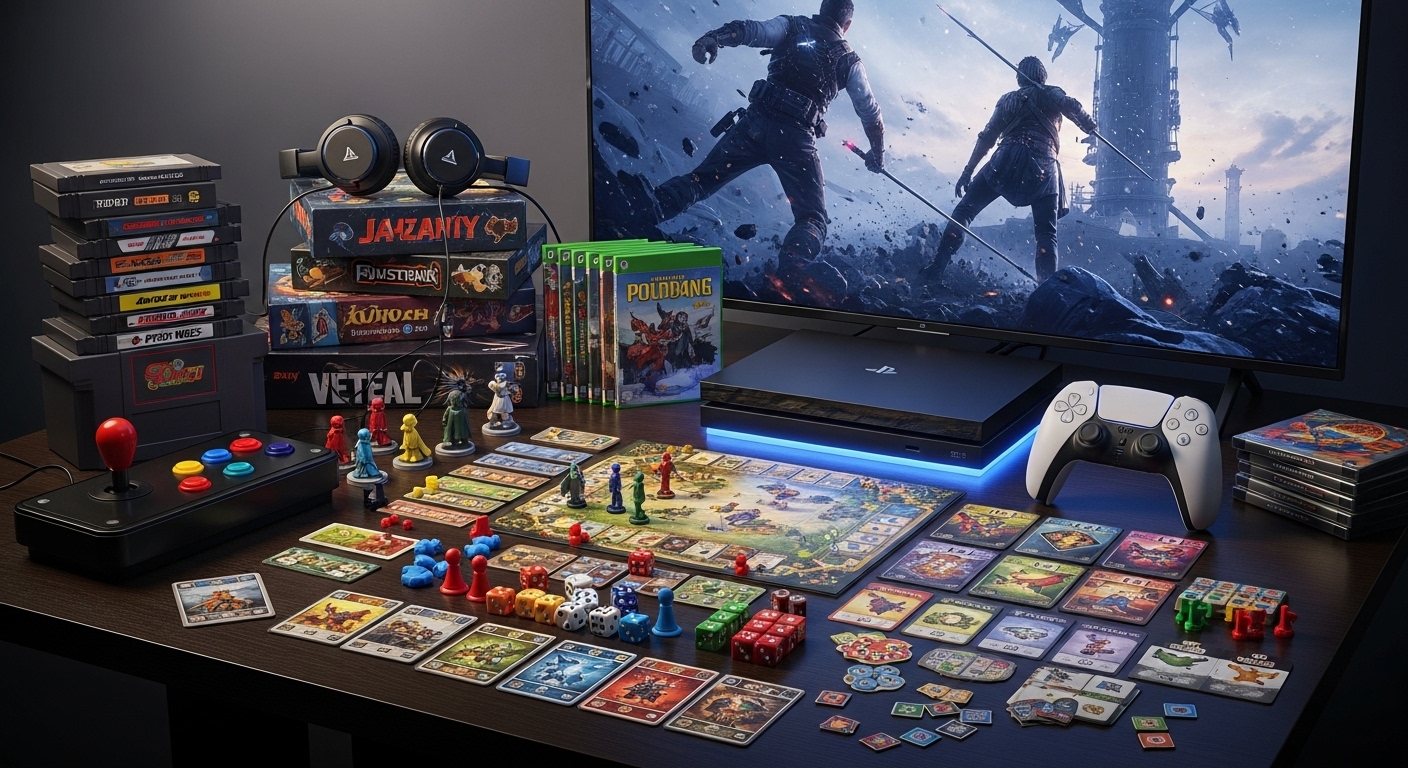
Games are no longer just a pastime; they have become a central part of modern culture, technology, and social interaction. From childhood board games to complex digital universes, games engage minds, foster creativity, and build communities. They provide entertainment, challenge, and a sense of achievement, all while offering opportunities for social connection and personal growth. The evolution of games has been rapid, transforming them from simple forms of amusement into immersive experiences that influence culture, storytelling, and even education. Today, games are not just about winning—they are about exploration, creativity, and connection.
The History of Games
Games have existed for thousands of years. Ancient civilizations played board games like Senet in Egypt and Go in China, combining strategy, skill, and luck. These games often reflected societal structures and cultural values, teaching players patience, foresight, and critical thinking. With the invention of playing cards and traditional board games in Europe, gaming became a shared social experience. The 20th century brought the digital revolution, giving rise to video games that could simulate complex worlds and experiences. From Pong to modern 3D open-world games, the history of gaming demonstrates humanity’s constant desire for challenge, creativity, and play.
Digital Gaming: A New Era of Immersion
The advent of digital gaming marked a revolutionary shift in entertainment. Early arcade games introduced interactive challenges and competitive excitement. Home consoles expanded gaming accessibility, allowing players to enjoy adventures in their own living rooms. Today, digital games are immersive experiences with intricate storylines, realistic graphics, and expansive worlds. Players can assume diverse roles, from heroes in epic quests to strategists in competitive battles. The interactivity of games sets them apart from other entertainment forms, making players active participants rather than passive observers.
The Art of Storytelling in Games
Modern games have become a medium for storytelling, rivaling books and films in depth and creativity. Role-playing games, adventure titles, and simulation games immerse players in worlds with detailed lore, complex characters, and branching narratives. Players’ choices often impact the story, creating a personal and emotional connection to the game. This narrative-driven approach allows games to explore themes such as morality, identity, and human relationships in ways that resonate deeply with players. Games are no longer just about winning—they are about experiencing stories in a unique, interactive way.
Competitive Gaming and Esports
Competitive gaming, or esports, has turned play into a professional pursuit. Millions of players participate in organized tournaments, attracting global audiences and substantial prize pools. Esports players train rigorously, developing teamwork, strategy, and precision skills. This professional scene demonstrates that gaming requires discipline and dedication similar to traditional sports. Esports has also inspired young players to pursue careers in gaming, from professional competition to streaming, coaching, and content creation. The rise of esports underscores the legitimacy of gaming as both entertainment and a career path.
Social Interaction in Games
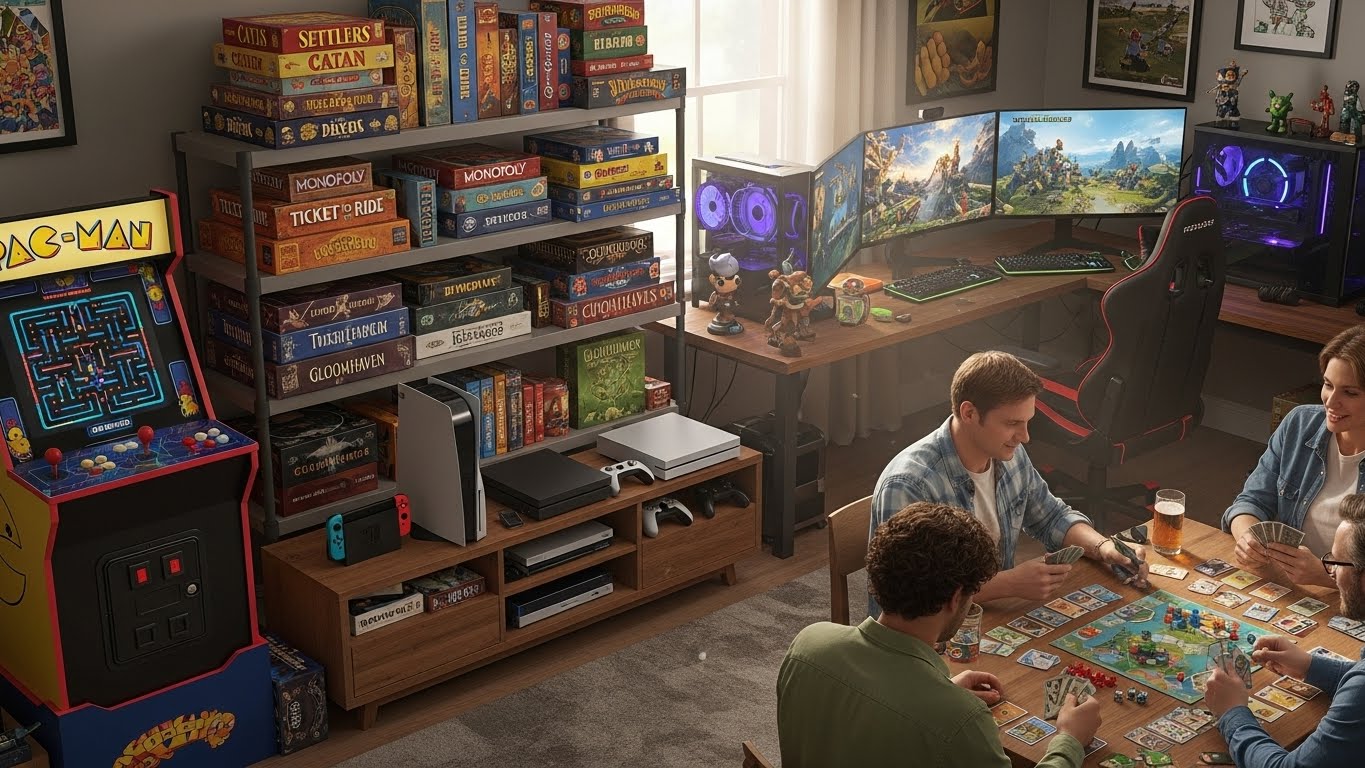
Games have become powerful social platforms. Multiplayer and online games connect people across countries, allowing players to collaborate, compete, and communicate in real time. Voice chat, team-based missions, and online communities foster relationships and social skills. For many players, these interactions create a sense of belonging and identity within gaming communities. Special events, collaborative challenges, and in-game celebrations further strengthen social bonds, demonstrating that gaming is not only about individual achievement but also about collective experience.
Creativity Through Games
Many games offer players the freedom to create and innovate. Sandbox games, level editors, and modding communities empower players to design new worlds, characters, and gameplay experiences. This creative aspect enhances problem-solving, artistic expression, and critical thinking skills. Games like these transform players into co-creators, extending the life of the game and fostering a collaborative culture. Creative gaming has even influenced careers in digital art, design, and programming, proving that games are not just entertainment—they are incubators of imagination and innovation.
The Educational Potential of Games
Games provide unique opportunities for learning. Strategy and simulation games develop critical thinking, resource management, and decision-making skills. Puzzle and logic games enhance memory and cognitive flexibility. Educational games offer interactive lessons in subjects like science, history, and mathematics, making learning engaging and enjoyable. Even competitive multiplayer games teach teamwork, communication, and leadership. The educational benefits of gaming demonstrate that play and learning can coexist, offering meaningful experiences that enhance both knowledge and life skills.
The Psychological Benefits of Gaming
Gaming has significant psychological benefits. It can relieve stress, provide a sense of accomplishment, and stimulate creativity. Players often experience joy and satisfaction from completing challenges, mastering skills, and exploring virtual worlds. Games also serve as an outlet for self-expression and emotional release. However, moderation is essential. Excessive gaming can disrupt daily routines or social relationships. When balanced responsibly, gaming supports mental well-being, cognitive growth, and personal fulfillment, highlighting its value beyond mere entertainment.
Mobile and Casual Gaming
Mobile gaming has made games accessible to millions worldwide. Smartphones allow players to enjoy games anywhere, offering both casual experiences and in-depth adventures. Mobile games range from puzzles and strategy challenges to complex role-playing experiences. This accessibility has broadened the gaming audience, introducing new players to interactive entertainment. Mobile gaming also demonstrates how technology adapts to lifestyle, making play convenient, portable, and socially integrated.
Virtual Reality and the Future of Gaming
Virtual reality has transformed how players experience games, offering unparalleled immersion. VR allows players to explore worlds in first-person perspective, interact with objects naturally, and feel physically present in digital environments. Augmented reality blends the real world with game elements, creating unique interactive experiences. The future of gaming will likely integrate these technologies further, making gameplay more immersive, interactive, and social. Artificial intelligence will also enhance game worlds, creating adaptive environments and smarter opponents. The evolution of gaming promises limitless possibilities for exploration and creativity.
Gaming and Culture
Games influence culture in profound ways. They shape trends in fashion, music, language, and art. Iconic characters and franchises inspire cosplay, fan art, and creative expression. Gaming culture fosters community, identity, and shared experiences across generations. Games also serve as a platform for storytelling, social commentary, and awareness, reflecting societal values and challenges. As a cultural force, gaming continues to bridge differences, encourage creativity, and shape collective imagination.
The Economics of Gaming
The gaming industry is one of the largest entertainment sectors globally. It includes console and PC games, mobile gaming, esports, streaming, and digital marketplaces. Developers, designers, and content creators contribute to a multi-billion-dollar economy. Games also introduce players to virtual economies, where they trade items, currency, and assets. This digital commerce fosters creativity, entrepreneurship, and strategic thinking, highlighting gaming’s economic as well as entertainment value.
Conclusion: Games as a Transformative Experience
Games have evolved far beyond simple play. They are interactive stories, social platforms, creative outlets, educational tools, and cultural phenomena. From immersive digital worlds to competitive esports and casual mobile experiences, games enrich our lives, challenge our minds, and connect us with others. The future of gaming promises even greater innovation, interaction, and personalization, ensuring that games will remain a central part of modern entertainment and culture. By engaging imagination, encouraging learning, and fostering community, games have become a transformative force, shaping how we play, create, and connect in a rapidly evolving world.