Introduction
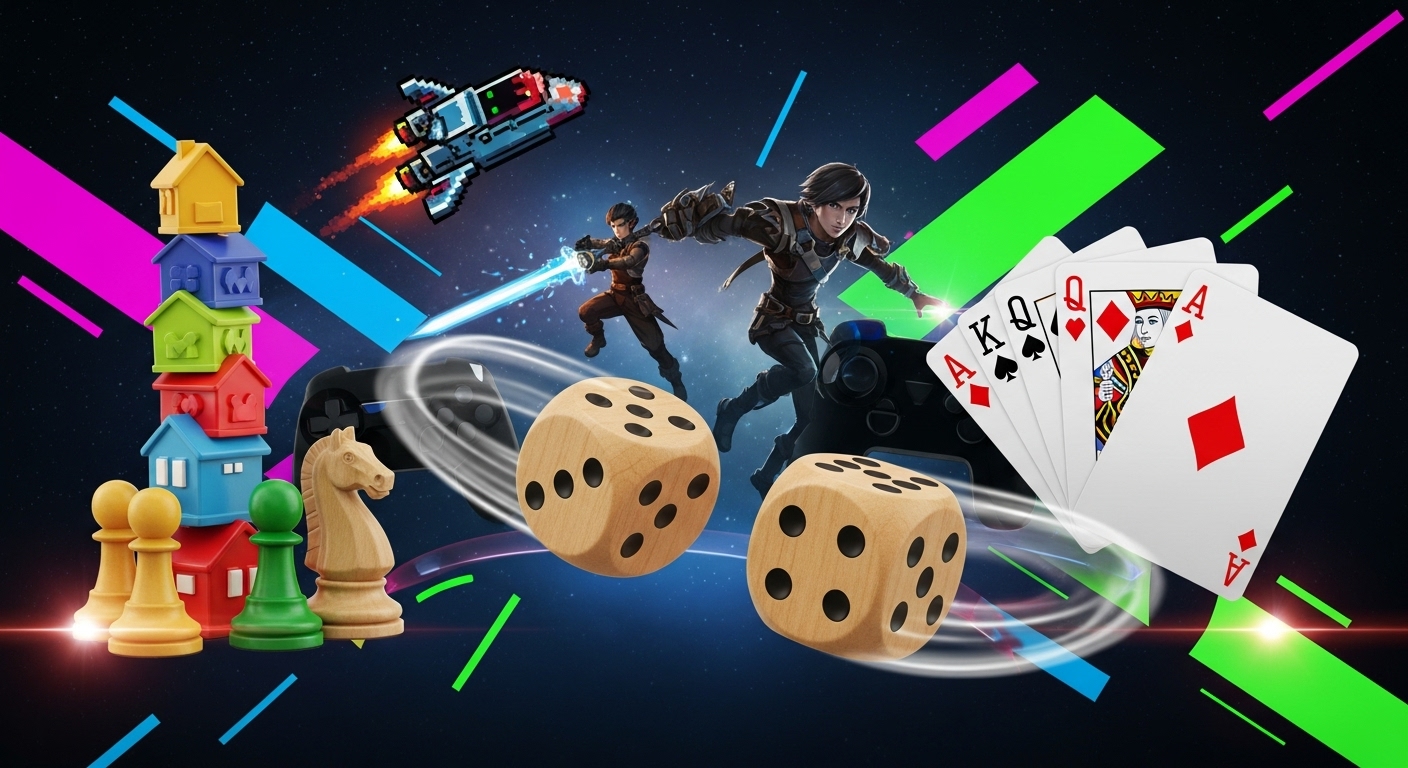
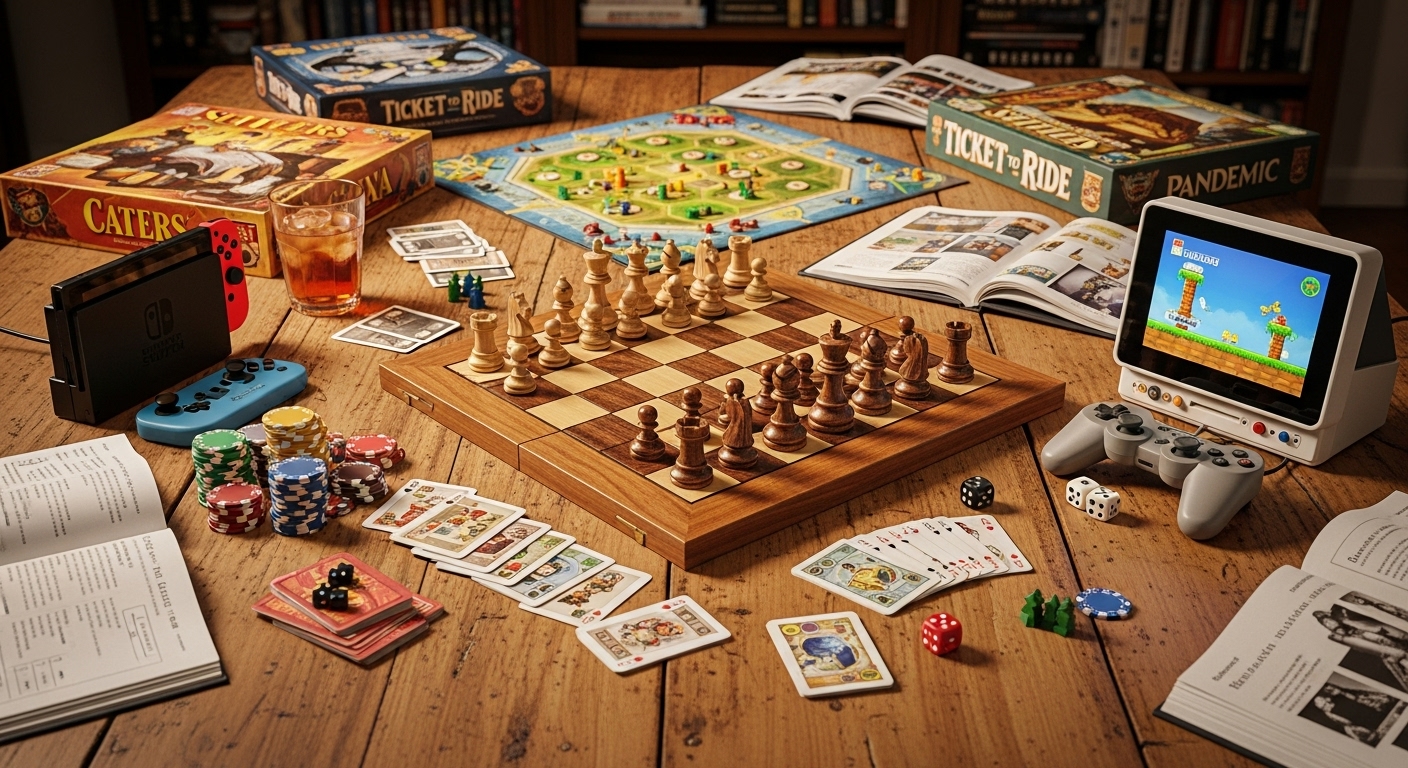
Games have been a part of human culture for centuries. From board games and card games to outdoor sports and digital experiences, they bring joy, challenge, and connection to people of all ages. Games are not just about winning or losing—they teach skills, foster creativity, and build relationships. They are a reflection of human curiosity and the desire for both fun and growth.
The Evolution of Games
Games have evolved alongside human civilization. Ancient societies played strategy games, dice games, and puzzles to challenge their minds and socialize. In modern times, video games and mobile apps have revolutionized the way people play. Today’s games combine storytelling, graphics, and interactive mechanics, creating immersive experiences that entertain and inspire players around the world.
Games as a Learning Tool
Games are not only fun—they are powerful learning tools. Board games and strategy games improve critical thinking and problem-solving skills. Puzzle games enhance memory and concentration, while team-based sports teach cooperation and leadership. Even digital games can provide educational value, allowing players to explore history, science, and creativity while having fun.
Social Benefits of Gaming
Playing games often brings people together. Multiplayer games, sports, and group activities encourage teamwork, communication, and social interaction. Friendships are built, strategies are shared, and communities are formed around shared interests. Games can bridge cultural and language gaps, creating a universal platform for connection and collaboration.
Cognitive and Emotional Impact
Games challenge the mind and stimulate emotional growth. They improve decision-making, focus, and adaptability. Facing challenges in a game teaches patience and resilience, while victories boost confidence and satisfaction. Emotional engagement in games, whether through storylines or competitive play, encourages empathy, strategic thinking, and creativity.
The Rise of Digital Games
Digital games have changed the landscape of play. Video games, mobile apps, and online platforms offer vast worlds to explore, compete, and create. Players can engage in solo adventures, collaborative missions, or competitive matches with people around the globe. Technology has made games more interactive, immersive, and accessible, opening new possibilities for entertainment and personal growth.
Games in Everyday Life
Games are not limited to leisure—they influence everyday life. Educational games support learning, fitness games encourage physical activity, and strategy games improve professional skills like planning and critical thinking. Even casual games offer moments of relaxation and mental stimulation, showing that play can be a meaningful part of a balanced life.
Conclusion
Games are more than just a pastime—they are a vital part of human experience. They entertain, educate, and connect people while shaping skills and emotions. From traditional board games to cutting-edge digital experiences, games reflect creativity, challenge, and collaboration. Embracing play in everyday life can enhance joy, learning, and personal growth, proving that the power of games extends far beyond the moment of play.