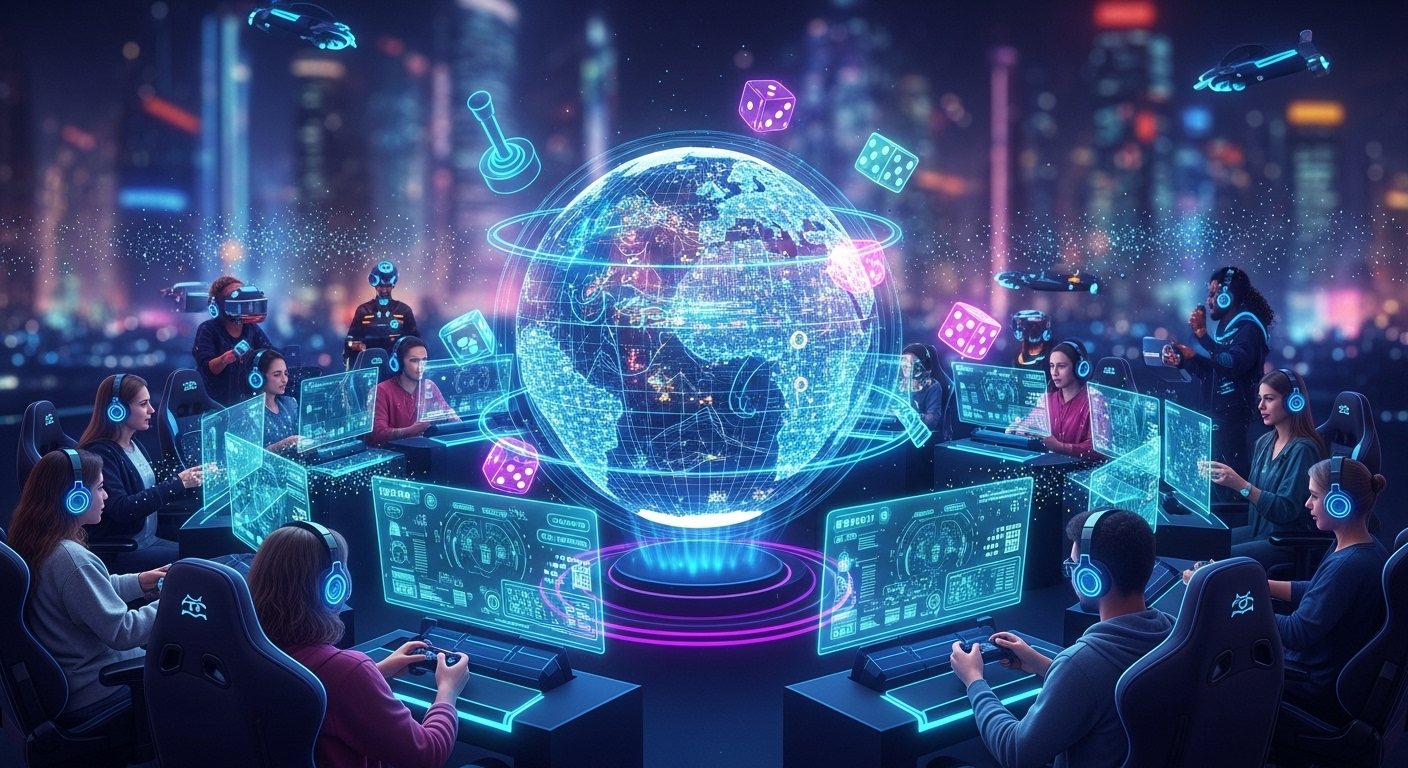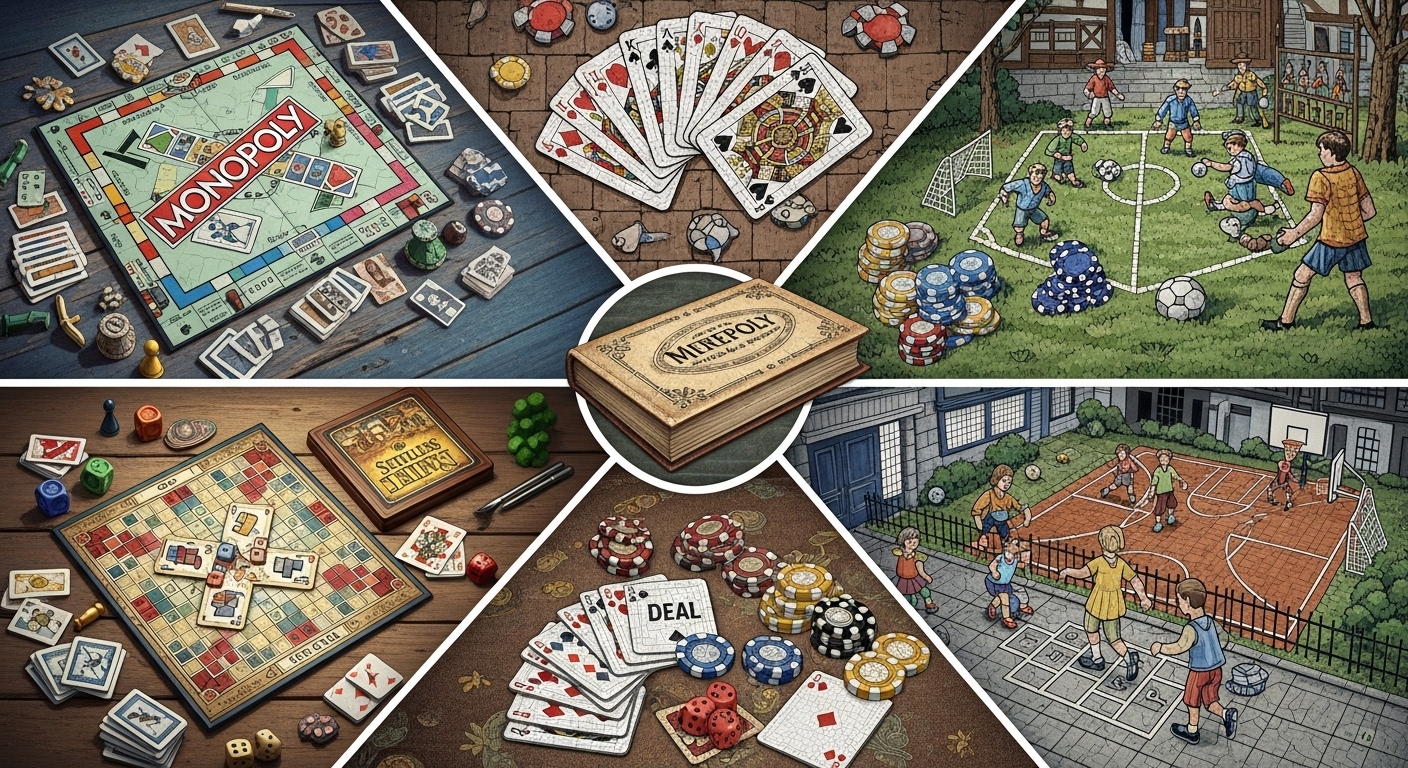

Games have been an essential part of human culture for centuries. From ancient board games to modern video games, the act of playing games has always been a source of entertainment, challenge, and connection. But beyond just entertainment, games have had a profound impact on society, psychology, and even our daily lives. This blog post explores the multifaceted world of games, their evolution, their role in human development, and how they continue to shape our experiences and relationships in today’s fast-paced world.
The Evolution of Games: From Ancient Play to Digital Realms
Games, in their most basic form, are structured activities that involve goals, challenges, rules, and interactions between players. Historically, games were physical and social activities that allowed individuals to bond, compete, and have fun. Some of the earliest recorded games date back to ancient civilizations. The game of Senet, found in tombs in ancient Egypt, is one of the oldest known board games. Similarly, the ancient Greeks played Petteia, a strategy game that resembles modern-day checkers.
As time progressed, the nature of games evolved with advancements in culture, technology, and social structure. Board games like chess, Go, and backgammon emerged and have remained popular for centuries due to their combination of strategy, skill, and deep intellectual engagement. These games helped people develop critical thinking, patience, and strategic planning, which were valuable in real-life situations.
The most significant transformation in the history of games came with the advent of digital technology. The introduction of video games in the late 20th century revolutionized the gaming landscape. From the early days of arcade games like Pong to the immersive, high-definition worlds of modern console games, the gaming experience has undergone a dramatic shift. Video games today offer not only entertainment but also emotional depth, complex storytelling, and interactive experiences that draw players into entirely new worlds.
Video Games: More Than Just Entertainment
When many people think of video games, they picture casual entertainment or mindless distractions. However, this view is far from the reality. Video games are now a multi-billion-dollar industry that provides a wide range of experiences. Some video games, like The Last of Us, Red Dead Redemption 2, or Final Fantasy VII, are known for their immersive storytelling and character development, rivaling the emotional impact of books or movies.
Video games also provide an avenue for social interaction. Multiplayer online games, such as Fortnite, League of Legends, or World of Warcraft, allow people from all over the world to connect and collaborate in real-time. These games promote teamwork, communication, and problem-solving skills as players must work together to achieve shared objectives. For many, these digital spaces have become a primary way to maintain friendships and connect with like-minded individuals.
The rise of esports has also elevated gaming to a competitive level. Professional gaming leagues now feature players who compete in high-stakes tournaments with significant monetary rewards and global recognition. Esports events, such as the League of Legends World Championship and The International (Dota 2), draw millions of viewers and have given rise to a new generation of celebrity gamers and streamers. What was once seen as a hobby is now a career for many, showcasing the widespread appeal and influence of video games.
The Psychological Benefits of Games
While games are often associated with entertainment and leisure, they also have significant psychological benefits. Engaging with games—whether digital or physical—helps develop cognitive skills, improve mental health, and even foster personal growth.
One of the most notable cognitive benefits of games is the improvement of problem-solving skills. Many games require players to think critically, make decisions under pressure, and adapt strategies on the fly. Puzzle games like Tetris and Portal challenge players to use logic and creativity to solve problems, while strategy games like StarCraft or Civilization teach players to plan long-term, manage resources, and make critical decisions.
Video games also contribute to cognitive development in younger players. Action games, for instance, can improve hand-eye coordination, spatial awareness, and reaction time. Research has shown that playing action-based games can enhance visual processing skills and multitasking abilities. For children, games like Minecraft can encourage creativity and imagination as they build and explore virtual worlds. Similarly, games that involve cooperative play teach valuable social skills, such as communication, empathy, and teamwork.
Games also have therapeutic benefits. In the realm of mental health, certain games have been used to treat conditions such as depression, anxiety, and PTSD. Games like Journey and Animal Crossing offer players a sense of calm and emotional respite, providing an escape from everyday stresses. Additionally, games like Braid and Celeste address difficult emotional topics such as overcoming self-doubt, and they offer players the chance to reflect on personal growth through interactive narratives.
The Social Impact of Games: Connecting the World
Games have always been a social activity, but the rise of online multiplayer games has taken this social aspect to new heights. Online gaming communities have become a cultural phenomenon, where people from diverse backgrounds and geographic locations interact, form friendships, and build communities. The internet has allowed gamers to connect with one another in ways that were previously unimaginable, transcending the boundaries of time and space.
The social impact of games can be seen in the way they have fostered collaboration and teamwork. In games like Fortnite, Overwatch, and Minecraft, players must communicate and strategize together to achieve common goals. This cooperation can form the foundation of lasting friendships, as gamers bond over shared experiences and challenges. The social aspect of gaming is further amplified by platforms like Twitch and YouTube, where people can watch and interact with streamers, learning from their skills and enjoying their personalities.
However, gaming communities also face challenges, particularly in relation to toxicity and harassment. The anonymity provided by the internet can sometimes lead to negative behavior, such as trolling, cyberbullying, or exclusionary practices. As gaming continues to grow as a social platform, it will be important for developers and community leaders to foster inclusivity and respect within these digital spaces.
Games in Education: Learning Through Play
One of the most promising areas where games are making an impact is in education. The concept of “gamification” has been gaining traction in schools, universities, and training programs as educators recognize the power of games to engage students and enhance learning outcomes.
Games provide an immersive, interactive environment in which players can learn at their own pace, make mistakes, and try again. In subjects like math, science, and history, educational games allow students to experience complex concepts in a hands-on, engaging way. Games like Kahoot!, Math Blaster, and SimCity integrate educational content with gameplay, helping students understand abstract concepts through problem-solving and exploration.
Simulations and role-playing games, such as Kerbal Space Program or Oregon Trail, offer learners the chance to apply real-world knowledge in a virtual setting. These games teach critical thinking, strategic planning, and decision-making, and they allow students to experiment with different approaches without real-world consequences.
Furthermore, games can be used to teach soft skills like leadership, teamwork, and communication. Online multiplayer games and simulations require collaboration and strategic thinking, skills that are highly valuable in real-world contexts. Games like League of Legends and World of Warcraft encourage players to work as a team, manage resources, and make collective decisions, which translate into valuable real-world business and interpersonal skills.
The Future of Games: Virtual and Augmented Realities
As technology continues to advance, the future of games looks more exciting than ever. Virtual Reality (VR) and Augmented Reality (AR) are two technologies that are beginning to make their mark on the gaming world, creating more immersive and interactive experiences than ever before.
VR gaming, through headsets like the Oculus Rift and HTC Vive, allows players to step into fully realized 3D worlds where they can interact with the environment and characters. These games offer an unprecedented level of immersion, where players can physically move, interact, and experience the game in a more visceral way. VR has the potential to revolutionize not only gaming but also fields like education, medicine, and therapy.
AR gaming, popularized by games like Pokémon Go, overlays digital content onto the real world, allowing players to interact with their environment in entirely new ways. AR has the potential to transform mobile gaming and provide more interactive, location-based experiences that blend the physical and digital worlds seamlessly.
As these technologies mature, the line between the digital and physical worlds will continue to blur. We may soon see games that are even more immersive, interactive, and integrated into our everyday lives, opening up new possibilities for entertainment, education, and social interaction.
Conclusion: The Enduring Power of Play
Games have been a part of human history for millennia, and their role in society continues to evolve. From ancient board games to modern video games, games have the power to entertain, educate, and connect us. They help develop cognitive, emotional, and social skills, and they bring people together across cultures and borders.
The future of games is bright, with technologies like VR, AR, and AI pushing the boundaries of what’s possible. Games are no longer just a way to pass the time—they are an essential part of how we learn, socialize, and even work. As we move forward, it’s clear that the magic of games will continue to shape our world in ways we can’t yet fully imagine. Whether for fun, learning, or connecting with others, games will remain a powerful force in our lives for generations to come.