Introduction: Games Beyond Entertainment
Games have been part of human civilization since ancient times. Long before digital screens and advanced technology, people played games to pass time, teach skills, and strengthen social bonds. Today, games have evolved into a powerful global phenomenon that extends far beyond simple entertainment. They influence how people think, communicate, learn, and even earn a living. From traditional board games to advanced digital experiences, games shape modern lifestyles in ways that are often underestimated.
The Historical Roots of Games
The concept of games is deeply rooted in history. Ancient societies used games not only for enjoyment but also for education and strategy. Early games helped develop problem-solving skills, decision-making abilities, and social cooperation. Over time, games adapted to cultural changes, reflecting the values and priorities of each era. This long-standing presence highlights that games are a natural human activity, deeply connected to curiosity, creativity, and competition.
Different Types of Games and Their Appeal
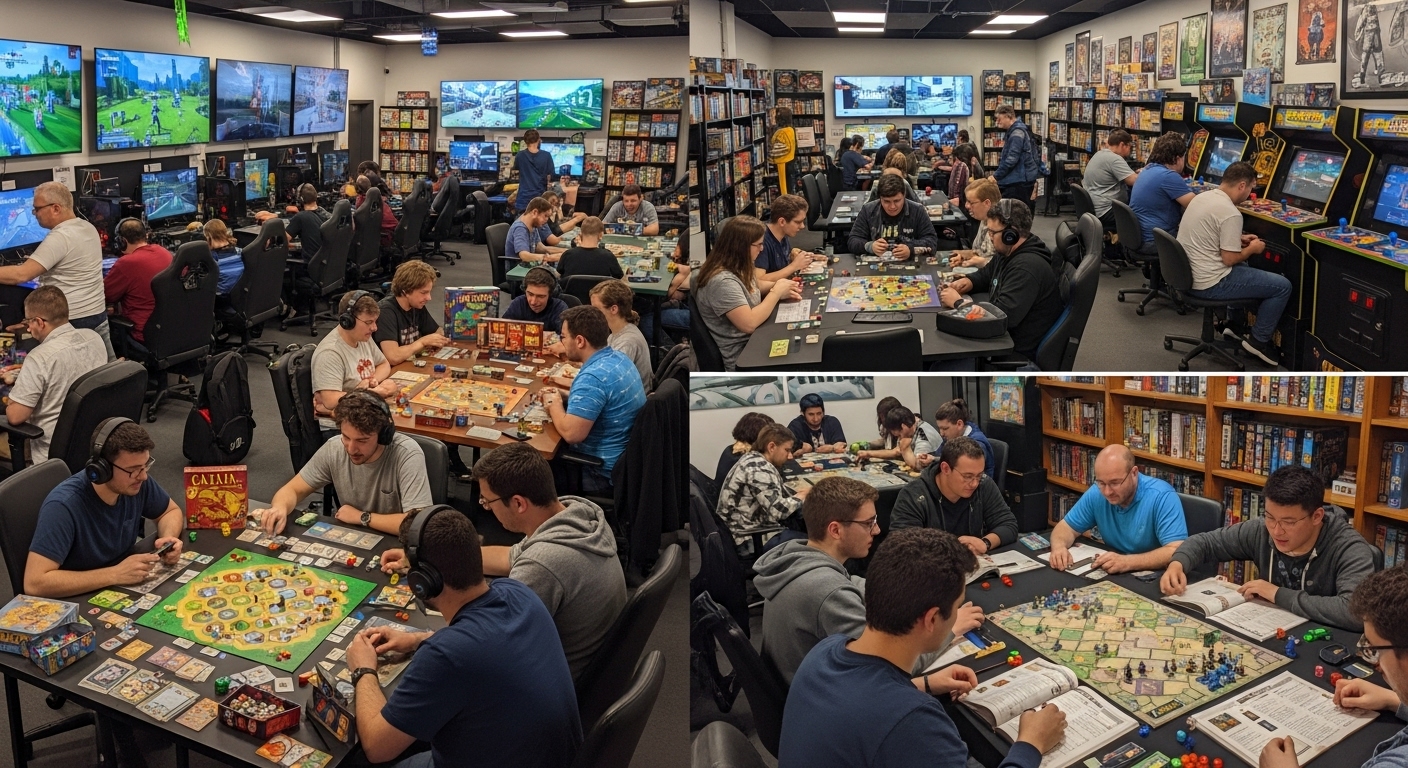
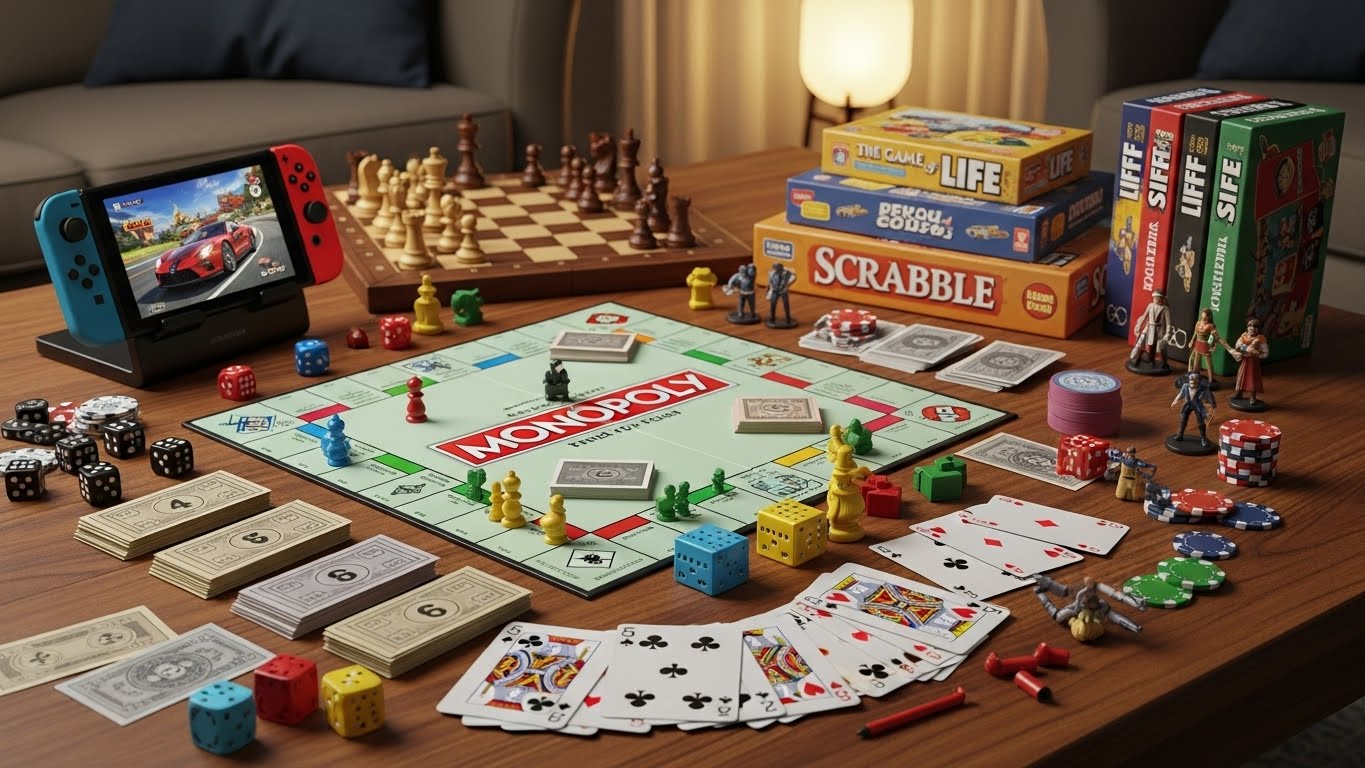
Games come in many forms, each offering a unique experience. Physical games such as sports promote fitness, discipline, and teamwork. Board and card games emphasize logic, planning, and social interaction. Video games provide immersive experiences that blend storytelling, challenge, and creativity. Puzzle games stimulate the mind, while role-playing games allow players to explore fictional worlds and identities. The wide variety of games ensures that people of all ages and interests can find something engaging and meaningful.
The Psychology Behind Playing Games
Games are designed to engage the human mind. They use goals, rewards, and challenges to keep players motivated. When players complete a level or solve a problem, the brain releases chemicals associated with pleasure and satisfaction. This makes games both enjoyable and mentally stimulating. Games also provide a sense of control and achievement, which can be especially valuable in stressful or uncertain situations. This psychological engagement explains why games are so captivating and difficult to ignore.
Games and Cognitive Development
Playing games can significantly improve cognitive skills. Strategy games enhance planning and critical thinking. Action games improve reaction time and hand-eye coordination. Puzzle games strengthen memory and logical reasoning. Many games require players to adapt quickly, analyze situations, and make decisions under pressure. These mental exercises train the brain and can improve focus and problem-solving abilities in real life. Games challenge the mind in ways that traditional learning methods sometimes cannot.
Social Interaction Through Games
Games play a vital role in social connection. Multiplayer games allow people to communicate, collaborate, and compete with others around the world. These interactions often lead to friendships and shared experiences. Even offline games bring people together, encouraging conversation, teamwork, and bonding. Family game nights and group sports activities strengthen relationships and create lasting memories. Games provide a shared language that connects people across cultures and generations.
Games as a Creative Medium
Modern games are a powerful form of creative expression. Many games offer rich narratives, complex characters, and detailed worlds that rival books and films. Sandbox and open-world games encourage players to build, design, and explore freely. Players are not just consumers but active participants who shape their own experiences. This level of creativity allows games to inspire imagination, storytelling, and artistic expression in ways few other mediums can.
The Rise of Competitive Gaming
Competitive gaming has transformed games into a professional pursuit. Players now train rigorously, develop strategies, and compete in organized tournaments. This competitive scene demands discipline, teamwork, and mental resilience. Competitive gaming has created new career paths, including professional players, coaches, analysts, and commentators. It has also changed public perception, proving that games require skill, dedication, and strategic thinking comparable to traditional sports.
Technological Advancements in Games
Technology has revolutionized how games are developed and played. Improved graphics, realistic sound design, and advanced artificial intelligence have made games more immersive than ever. Virtual reality has introduced new levels of interaction, allowing players to physically engage with digital environments. Cloud-based gaming has increased accessibility, making high-quality games available on various devices. These innovations continue to push boundaries, transforming games into deeply engaging experiences.
Games and Education
Games are increasingly used as educational tools. Educational games combine learning with interactive challenges, making complex subjects more accessible and enjoyable. Simulations allow students to experiment and learn from consequences in a safe environment. Games encourage active participation rather than passive learning, improving retention and understanding. By blending fun with instruction, games have the potential to reshape traditional education methods.
Mental Health and Emotional Benefits of Games
Games can have positive effects on mental health when played in moderation. They offer stress relief by providing an escape from daily pressures. Games give players a sense of achievement and progress, which can boost confidence and motivation. Social games reduce feelings of loneliness by fostering interaction and community. Some games are even designed to promote relaxation, mindfulness, and emotional balance. When used responsibly, games can support emotional well-being.
Cultural Influence of Games
Games have become a significant part of global culture. Iconic characters and game worlds influence fashion, language, and art. Gaming communities create shared identities and traditions. Games also reflect social issues, encouraging discussion and awareness. By representing diverse perspectives and experiences, games contribute to cultural understanding and inclusivity. Their impact extends beyond entertainment, shaping modern cultural expression.
Economic Impact of the Gaming Industry
The gaming industry is a major economic force. It supports millions of jobs across development, design, marketing, and content creation. Independent creators now have opportunities to succeed without traditional publishers. Mobile gaming has expanded access, bringing gaming to a broader audience. The industry’s growth demonstrates how games have become an essential part of the global economy, driving innovation and creativity.
Challenges and Responsible Gaming
Despite their benefits, games also present challenges. Excessive gaming can lead to physical inactivity, reduced social interaction, and decreased productivity. It is important to maintain balance and practice responsible gaming habits. Setting time limits, prioritizing responsibilities, and choosing age-appropriate content help ensure that games remain a positive influence. Awareness and moderation are key to enjoying games without negative consequences.
The Future of Games
The future of games promises even greater innovation. Artificial intelligence will create more adaptive and personalized experiences. Virtual and augmented reality will further blur the line between physical and digital worlds. Games will continue to evolve as tools for education, creativity, and social connection. As technology advances, games will play an even larger role in shaping how people interact with the world.
Conclusion: Games as a Lifelong Experience
Games are far more than simple pastimes. They challenge the mind, connect people, inspire creativity, and reflect culture. From childhood play to professional competition, games remain a constant companion throughout life. As society continues to evolve, games will remain a powerful force that entertains, educates, and brings people together. Embracing games responsibly allows us to enjoy their benefits while appreciating their role in shaping modern life.