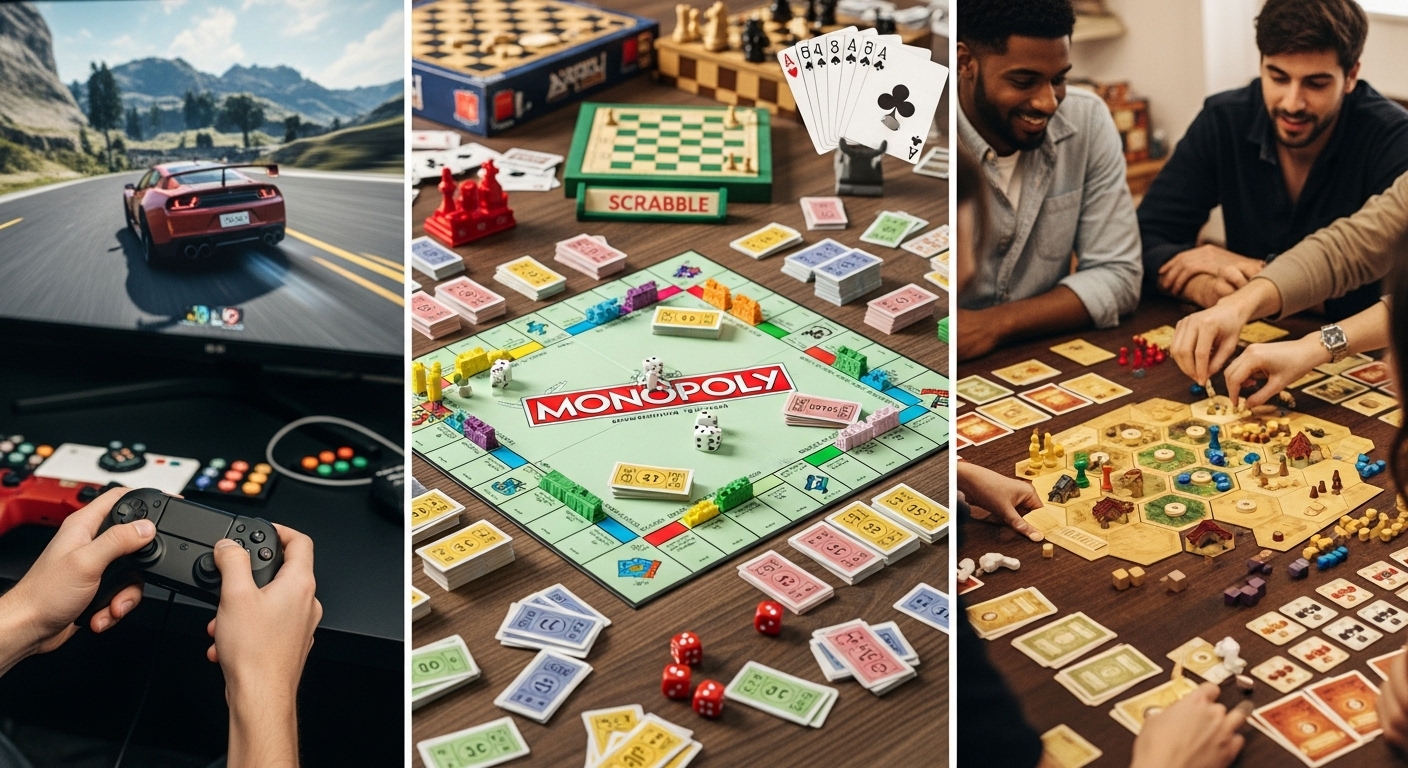
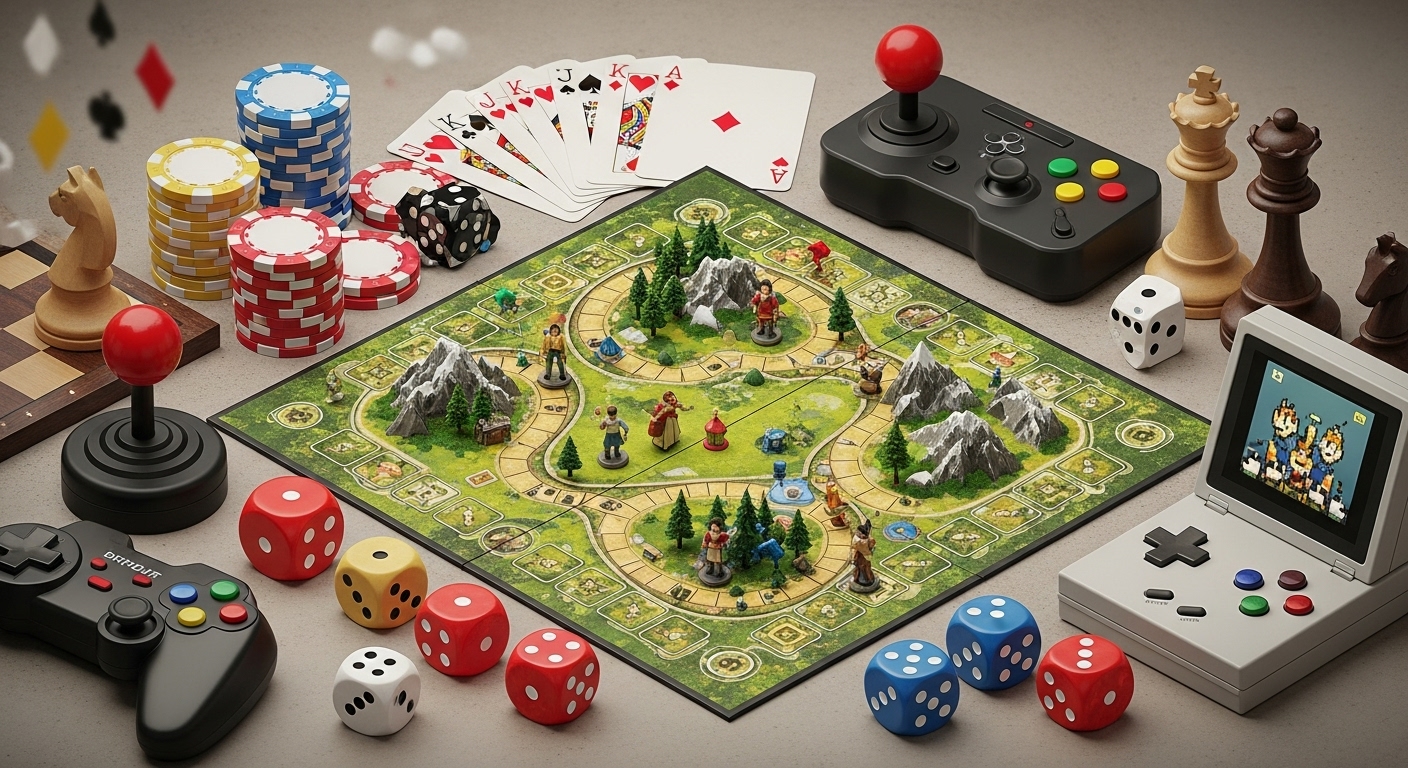
Games are more than a way to pass the time—they are a gateway to creativity, learning, and connection. From classic board games to modern video games, they challenge our minds, engage our senses, and bring people together in exciting and meaningful ways.
The Evolution of Games
Games have evolved tremendously over the years. Traditional games like chess, card games, and outdoor sports focused on strategy, skill, and physical activity. Today, digital and interactive games offer immersive worlds, complex storylines, and multiplayer experiences that connect players across the globe. This evolution reflects human innovation and the enduring appeal of play.
Games as a Tool for Learning
Games are powerful learning tools. Strategy and puzzle games enhance critical thinking and problem-solving skills, while simulation and role-playing games encourage decision-making and creativity. Even casual games teach patience, focus, and adaptability. Engaging with games allows players to learn while having fun, combining entertainment with mental growth.
Building Social Connections
Games foster communication, collaboration, and teamwork. Multiplayer games encourage players to strategize and cooperate to achieve common goals. Family and board games create shared experiences that strengthen bonds. Through games, individuals build friendships, improve social skills, and enjoy moments of collective joy and achievement.
Physical and Mental Benefits
Playing games strengthens both the mind and body. Physical games and sports improve coordination, stamina, and overall fitness. Video games and puzzles challenge memory, concentration, and decision-making. Balanced gameplay supports mental agility and emotional resilience, proving that games contribute to holistic development.
Entertainment and Stress Relief
Games provide a healthy escape from everyday stress. Immersive worlds, challenges, and achievements allow players to relax, unwind, and engage in fun experiences. Whether competing in a tournament, exploring a digital realm, or enjoying a casual game, the joy of play refreshes the mind and lifts spirits.
The Future of Games
The future of gaming is full of possibilities. Virtual reality, augmented reality, and artificial intelligence are creating increasingly interactive and immersive experiences. Games will continue to grow as platforms for learning, entertainment, and social connection, offering endless opportunities for creativity and engagement.
Conclusion
Games are a timeless part of human culture, combining fun, learning, and social interaction. They challenge our minds, strengthen our bodies, and connect people across the globe. Whether played casually or competitively, games remind us that play is not just entertainment—it is a vital part of growth, creativity, and connection in our lives.