Introduction: The Timeless Nature of Games
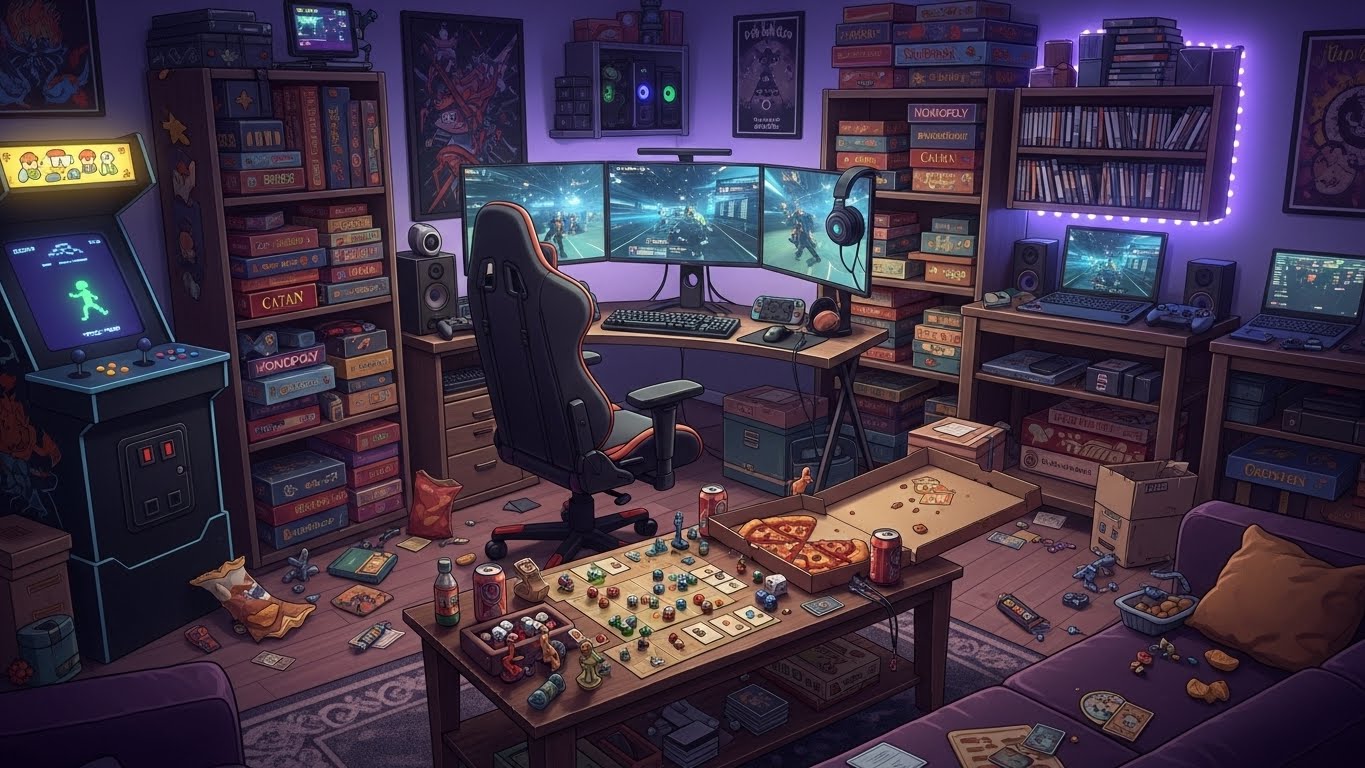
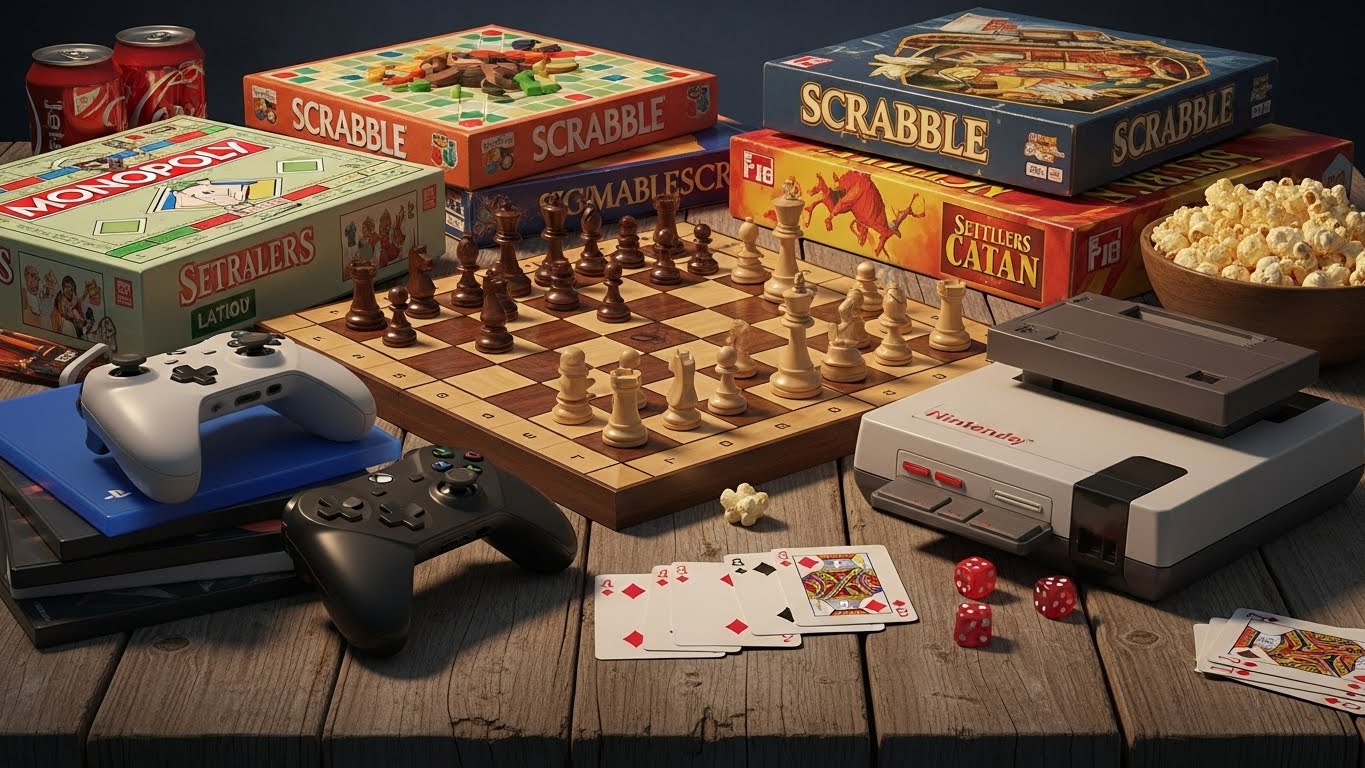
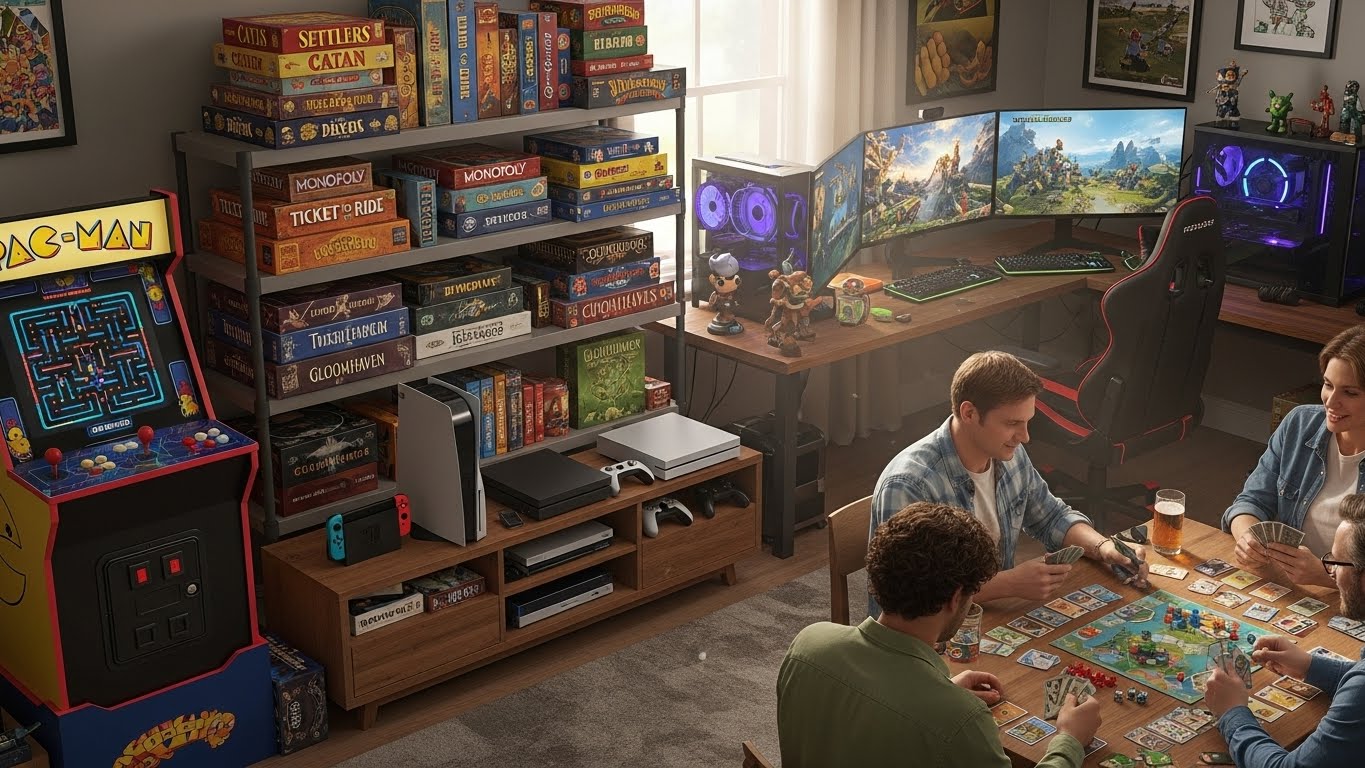
Games have been a part of human civilization for as long as history has been recorded. From ancient rituals to modern digital experiences, games serve as a reflection of society’s values, creativity, and desires. They are more than just a source of entertainment; they are a medium through which we connect, challenge ourselves, and grow. In today’s world, games are an integral part of our daily lives, and their evolution from simple pastimes to expansive digital experiences speaks to the impact they’ve had on our culture, economy, and social interactions. This blog explores the importance of games in both historical and modern contexts, their evolution, and the profound influence they continue to have on our lives.
The Ancient Roots of Games
The history of games dates back thousands of years, with some of the earliest evidence of gaming found in ancient civilizations. Archaeological sites have uncovered remnants of games like Senet in Egypt, Go in China, and backgammon in Mesopotamia, all of which date back more than 5,000 years. These games were often played by rulers and commoners alike, and they carried social and cultural significance, from royal pastimes to educational tools.
Many of these ancient games were more than simple entertainment—they served as symbols of strategy, fate, and learning. For example, Go, which originated in China, is revered for its depth and strategy, providing players with mental challenges and reflecting philosophical principles. Games like these were seen not only as leisure activities but also as ways to develop critical thinking and decision-making skills, traits that were highly valued in these societies.
The Evolution of Games Through the Ages
As time moved forward, games continued to evolve alongside the development of new technologies and cultural trends. By the time the medieval period arrived, card games and dice games had become popular in Europe. The introduction of playing cards in the 15th century added a new layer of complexity and strategy, while dice games continued to serve as a way for people to test their luck and compete with others.
The Renaissance period saw games become more structured and formalized, with the creation of various board games that reflected the changing attitudes toward leisure and competition. By the 19th century, games were firmly established in the public consciousness, with games like chess reaching a high level of intellectual acclaim and popularity. Chess, in particular, became a symbol of high culture, representing not only competition but also intellect and strategy.
The Birth of Modern Gaming: From Arcades to Home Consoles
The modern era of gaming began in the 20th century with the invention of video games. In the 1950s and 1960s, early experiments like “Tennis for Two” and “Spacewar!” laid the foundation for the first commercially successful video games. These early games, though rudimentary by today’s standards, offered a glimpse of the future of entertainment and technology.
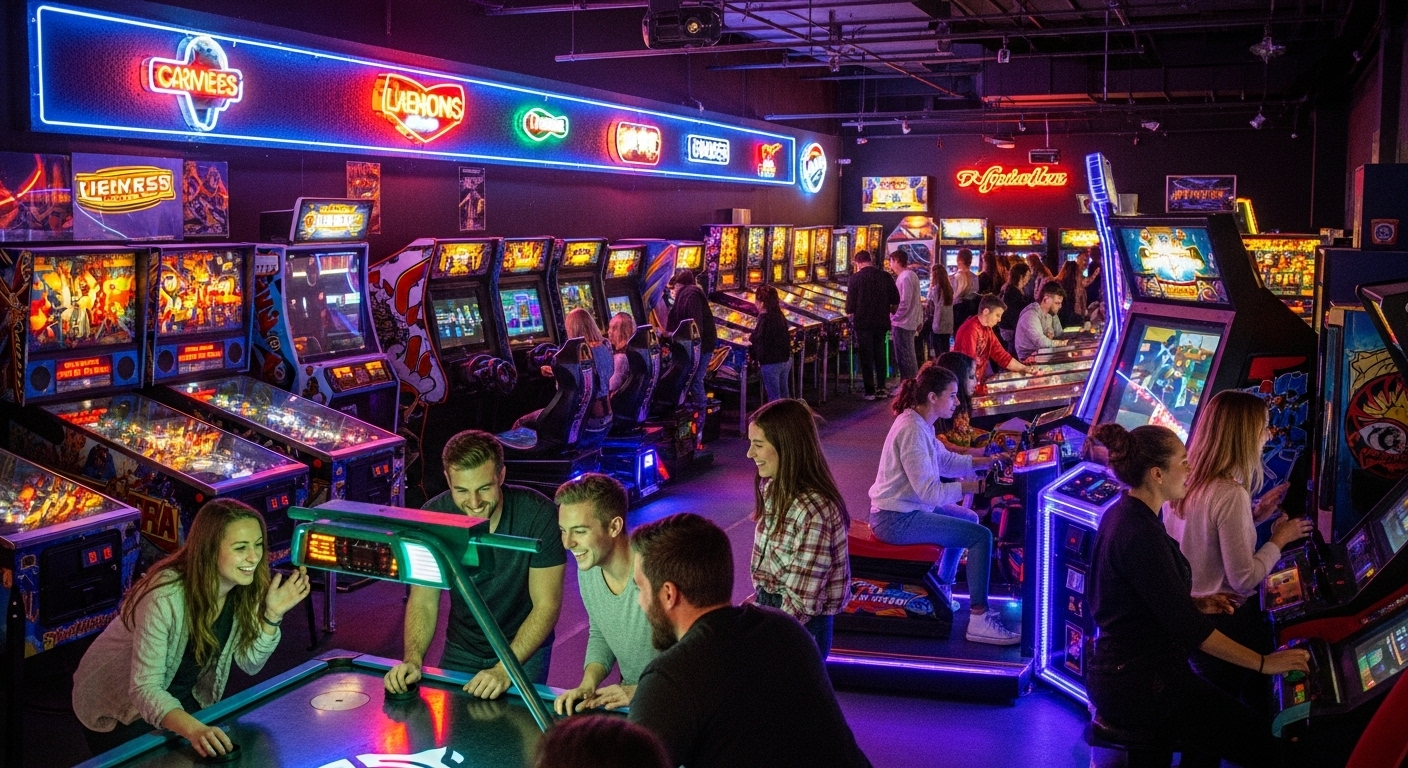
The real explosion of gaming came in the 1970s, with the introduction of arcade games such as Pong and Space Invaders. These games were revolutionary in that they allowed players to engage with interactive, digital experiences in a public setting. The arcade became a hub of social interaction, where people could compete against each other, show off their high scores, and immerse themselves in a virtual world.
The 1980s and 1990s saw the rise of home gaming consoles like the Atari 2600, Nintendo Entertainment System (NES), and Sega Genesis. These consoles brought video games into living rooms around the world, making gaming accessible to a larger audience than ever before. The rise of iconic characters such as Mario, Sonic, and Zelda not only solidified the cultural relevance of games but also created a new form of digital storytelling. The introduction of more advanced graphics and sound design allowed games to evolve from simple pixelated visuals to fully immersive experiences, sparking a wave of creativity in game development.
The Digital Revolution: Online Games and the Rise of the Internet
The late 1990s and early 2000s marked a transformative period for games as the internet became more widely accessible. Online multiplayer games such as Warcraft, StarCraft, and Diablo revolutionized gaming by allowing people to play together in real-time, no matter where they were in the world. This development laid the foundation for the massive online multiplayer games (MMOs) and the esports scene that would follow.
The advent of online gaming marked the beginning of a new era in the gaming world. Gamers could now compete against one another or collaborate in large virtual worlds, forming communities and friendships that transcended geographic boundaries. The rise of digital distribution platforms like Steam, PlayStation Network, and Xbox Live made it easier than ever to access games and connect with other players. These platforms also enabled developers to provide regular updates, downloadable content (DLC), and new game modes, further enhancing the gaming experience and keeping players engaged for longer periods of time.
Mobile Gaming: Gaming for the Masses
The launch of the first smartphones and the rise of mobile technology in the late 2000s brought about another revolution in gaming. No longer confined to home consoles or PCs, gaming became portable and accessible to anyone with a mobile device. Games like Angry Birds, Candy Crush, and Clash of Clans introduced a new genre of casual gaming that appealed to a broader, more diverse audience.
Mobile games were simple, intuitive, and designed to be played in short bursts, making them perfect for busy individuals who didn’t have the time or inclination to sit down for hours on end. The success of mobile gaming has led to the development of a wide variety of game types, from puzzle games and strategy games to role-playing games (RPGs) and massively multiplayer online role-playing games (MMORPGs). Mobile gaming has brought gaming into the mainstream, making it a part of everyday life for people of all ages and backgrounds.
The Social Impact of Gaming
Gaming has always been a social activity, and in recent years, it has become an even more integral part of how people interact with one another. Online multiplayer games have created communities where players can form friendships, collaborate on projects, and engage in friendly competition. Gaming has become a way for people to connect with others who share similar interests and passions, transcending cultural and geographical differences.
The rise of live streaming platforms like Twitch and YouTube has further strengthened the social aspect of gaming. Gamers can now broadcast their gameplay to an audience, interact with viewers in real-time, and even build careers as professional content creators. Esports has also become a major industry, with professional players, coaches, and teams competing in high-stakes tournaments for substantial prize money and global recognition.
The popularity of gaming also has significant implications for social behavior and relationships. For many, gaming is a way to unwind, escape from the stresses of daily life, and connect with others in a virtual space. However, it’s important to maintain a healthy balance between gaming and other aspects of life, such as physical activity, work, and social interaction in the real world.
The Artistic and Educational Potential of Games
Games are increasingly being recognized as a form of art, with complex narratives, innovative mechanics, and stunning visuals that rival the creativity of films and literature. Games like The Last of Us, Red Dead Redemption, and Journey showcase the narrative depth and emotional storytelling that can be achieved through gaming. These games engage players in ways that films and books cannot, allowing them to become active participants in the unfolding story.
Moreover, games have immense educational potential. Many games are designed to teach critical thinking, problem-solving, teamwork, and other valuable life skills. For example, strategy games like Civilization teach players about history, politics, and economics, while puzzle games encourage logical thinking and pattern recognition. Educational games and gamification techniques are increasingly being used in schools and workplaces to enhance learning and foster collaboration.
The Future of Gaming: Virtual Reality and Beyond
The future of gaming looks more exciting than ever. The development of virtual reality (VR) and augmented reality (AR) technologies promises to take gaming to new heights. VR headsets allow players to fully immerse themselves in virtual worlds, interacting with environments and characters as if they were physically present. AR games, like Pokémon Go, blend the real world with the digital world, allowing players to engage in interactive experiences that bridge the gap between the physical and virtual realms.
In addition to these innovations, artificial intelligence (AI) and machine learning are shaping the way games are designed and played. AI is being used to create more realistic non-playable characters (NPCs), responsive environments, and dynamic storylines that adapt to players’ choices. These advancements are pushing the boundaries of what games can achieve, creating more immersive, engaging, and personalized experiences for players.
Conclusion: The Enduring Impact of Games
Games are much more than a source of entertainment—they are a reflection of human creativity, culture, and social interaction. From ancient board games to cutting-edge virtual reality experiences, games have evolved alongside humanity, offering us new ways to challenge ourselves, connect with others, and explore new worlds. As technology continues to advance, the future of gaming holds endless possibilities, and it will remain an integral part of our lives for generations to come. Whether for relaxation, education, or competition, the world of games will continue to shape how we experience the world and each other.