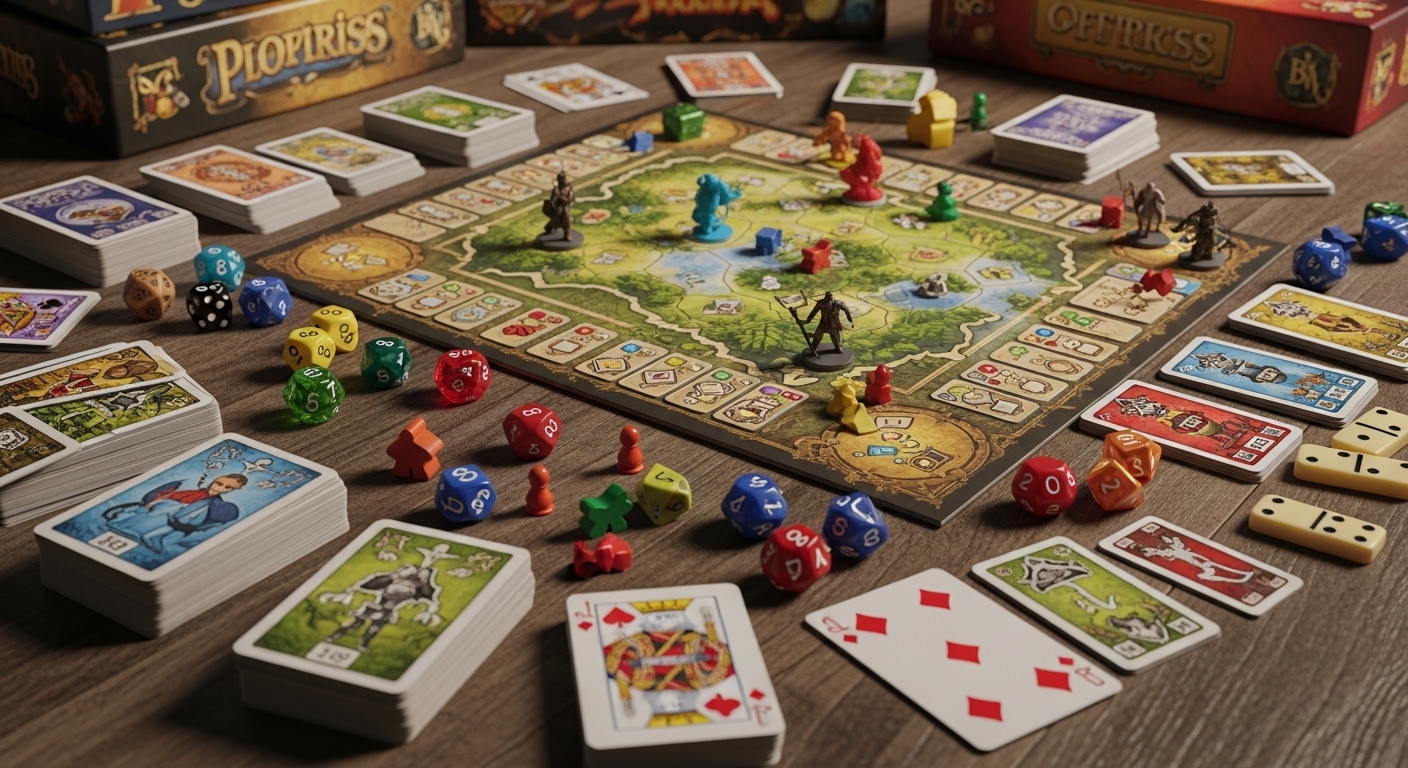
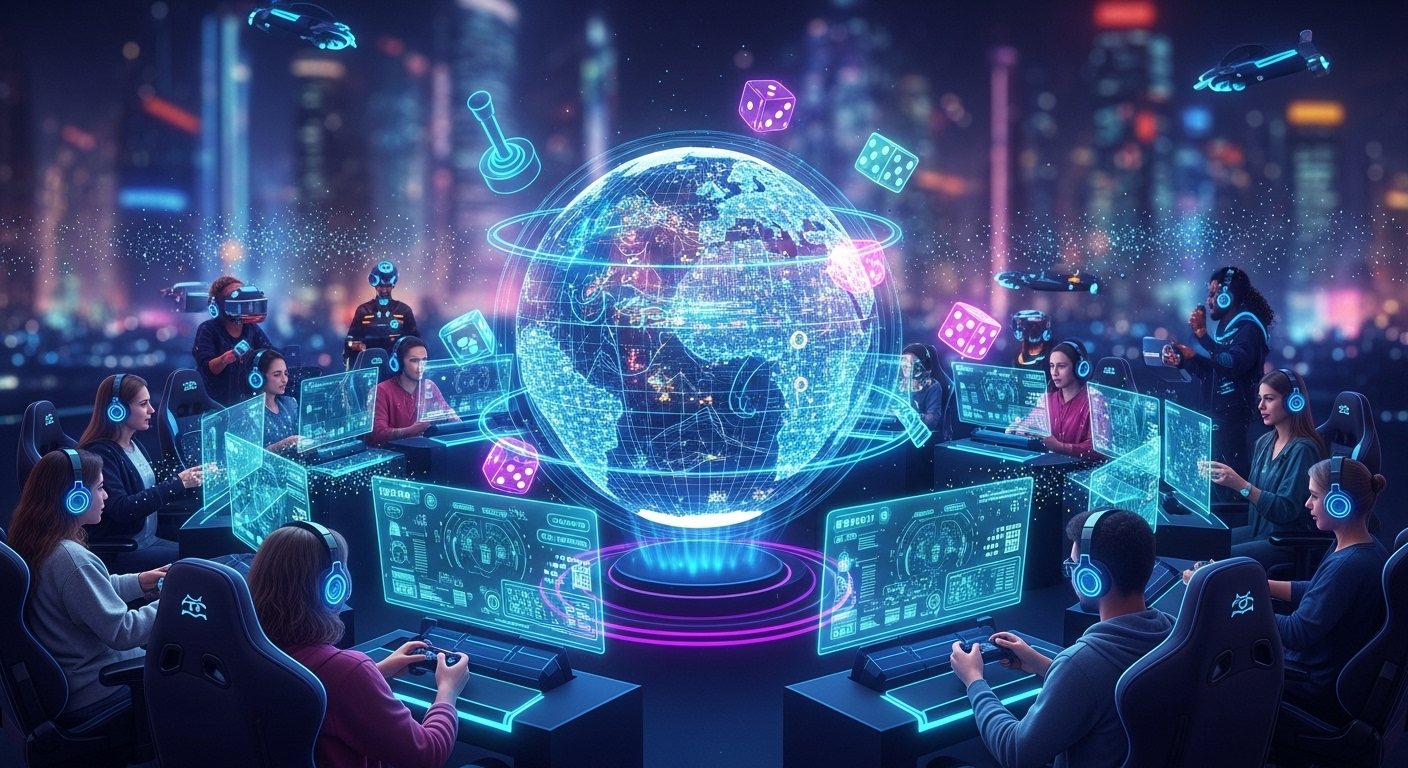
Games have been a part of human culture for thousands of years, evolving from simple physical activities to complex digital experiences that now dominate entertainment, education, and even professional industries. Whether played for fun, competition, or mental exercise, games hold a unique place in our lives. From board games and card games to mobile and virtual reality experiences, they are reflections of creativity, technology, and human interaction. In this blog, we will explore the fascinating world of games, their history, evolution, cultural impact, and the future that lies ahead in this ever-expanding domain.
The Ancient Origins of Games
The history of games stretches back to ancient civilizations. Archaeologists have discovered evidence of gaming boards and pieces that date back thousands of years. The Royal Game of Ur, found in the tombs of Mesopotamia, is considered one of the oldest board games in existence, played over 4,000 years ago. Ancient Egyptians played Senet, a game that represented the journey of the soul through the afterlife, blending entertainment with spiritual symbolism.
In ancient China, games like Go emerged, emphasizing strategy and intellectual depth. Similarly, in India, the game of Chaturanga, an early form of chess, became a popular pastime among the elite. These games were not only sources of amusement but also tools for developing cognitive and strategic skills. They encouraged patience, foresight, and tactical thinking—qualities still valued in modern gaming.
The Rise of Physical and Social Games
As societies evolved, games took on new forms that reflected cultural and social values. Traditional sports such as wrestling, running, and archery developed in many regions, serving as both recreation and preparation for warfare. Ancient Greece introduced the Olympic Games, celebrating physical excellence and competition, while games like Mancala in Africa emphasized resource management and planning.
Board games continued to develop, and by the Middle Ages, games like chess and backgammon spread across continents. Chess, in particular, became a symbol of intellect and social hierarchy, played by kings and scholars alike. Card games emerged in the 9th century in China, eventually reaching Europe, where they evolved into countless variations that still exist today.
These traditional forms of play laid the foundation for what we now call “gaming culture,” where competition, cooperation, and creativity intersect.
The Birth of Video Games
The mid-20th century marked the beginning of a revolutionary new era. With the rise of computers and digital technology, games shifted from physical boards to electronic screens. The first video games were simple experiments by computer scientists, such as “Tennis for Two” and “Spacewar!”—rudimentary yet groundbreaking.
The 1970s brought the first wave of commercial video games, including the legendary Pong. This era saw the birth of arcade culture, where people gathered in gaming centers to compete for high scores. Titles like Pac-Man, Donkey Kong, and Space Invaders became cultural icons, inspiring a generation of gamers and creators.
The 1980s and 1990s were a golden age of innovation. Home consoles like the Nintendo Entertainment System and Sega Genesis brought gaming into living rooms, turning it into a mainstream activity. Characters like Mario, Sonic, and Link became household names. Meanwhile, personal computers introduced new genres—strategy games, role-playing games, and first-person shooters—pushing the limits of storytelling and player interaction.
The Expansion of Game Genres
One of the most remarkable aspects of gaming is its diversity. Every genre offers a unique experience and caters to different audiences. Action games provide fast-paced excitement and reflex-based challenges. Adventure games immerse players in storytelling and exploration. Strategy games encourage planning and problem-solving. Role-playing games allow players to step into alternate identities and worlds, shaping their destinies through choices.
Simulation games replicate real-world systems, whether managing a city, flying an airplane, or running a business. Sports games recreate athletic experiences with astonishing realism. Puzzle games stimulate the brain, testing logic and pattern recognition.
As technology advanced, developers began blending genres, creating hybrid games that offered richer experiences. Open-world games like The Legend of Zelda: Breath of the Wild and Grand Theft Auto V allow players to explore massive environments with unprecedented freedom. Multiplayer online games connected people across continents, creating virtual communities that thrive on teamwork and competition.
The Impact of Online and Mobile Gaming
The internet revolution transformed gaming forever. Online multiplayer games redefined social interaction. Instead of competing against computer opponents, players could now engage with real people worldwide. Titles like World of Warcraft, Counter-Strike, and League of Legends became global phenomena, fostering esports communities and professional leagues.
Mobile gaming took accessibility to the next level. With smartphones in nearly every pocket, gaming became available anytime and anywhere. Simple yet addictive titles such as Candy Crush Saga, Clash of Clans, and Among Us reached audiences far beyond traditional gamers. Mobile platforms democratized gaming, allowing indie developers to create and distribute their work easily.
Cloud gaming and streaming technology are the next major leap. Services now allow players to stream high-quality games without powerful hardware, signaling a future where gaming may be as effortless as watching a movie online.
The Artistic and Cultural Influence of Games
Games have evolved beyond entertainment; they are now recognized as an art form. Visual design, storytelling, music, and interactivity combine to create experiences that rival literature and cinema. Modern titles explore deep themes—loss, identity, morality, and society—through player-driven narratives.
Independent developers have been instrumental in this creative evolution. Games like Journey, Celeste, and Undertale prove that emotional storytelling and innovative design can leave lasting impressions without massive budgets. These experiences blur the line between player and artist, allowing audiences to interpret meaning through their actions within the game world.
Games have also influenced other media. Movies, television shows, and even fashion draw inspiration from gaming aesthetics. Conversely, popular franchises like Star Wars and Marvel have expanded their universes through interactive storytelling in games, allowing fans to become participants rather than mere spectators.
Games as Tools for Learning and Development
Beyond entertainment, games are powerful educational tools. They enhance problem-solving skills, strategic thinking, hand-eye coordination, and collaboration. Educational games teach subjects like mathematics, history, and science in engaging ways that traditional methods cannot.
Gamification—the integration of game elements into non-gaming contexts—has become a trend in education and business. By incorporating points, levels, and rewards, tasks become more motivating and interactive. For example, language-learning apps use game mechanics to encourage consistency and achievement.
Games also have therapeutic potential. They can aid in cognitive rehabilitation, stress relief, and even social development for individuals with autism. Virtual reality games are used to treat phobias and post-traumatic stress by creating safe, controlled environments for exposure therapy.
The Rise of Esports and Competitive Gaming
Competitive gaming, or esports, has grown into a billion-dollar industry. Professional players compete in tournaments watched by millions worldwide. Games like Dota 2, Fortnite, and Valorant have prize pools comparable to major sporting events. Teams, sponsors, and broadcasters have turned esports into a legitimate career path.
Esports requires not only physical dexterity but also mental agility, teamwork, and strategic insight. The best players train for hours daily, analyzing gameplay, refining skills, and mastering communication. Universities now offer scholarships for esports athletes, and arenas are built exclusively for gaming competitions.
This rise has redefined what it means to be an athlete in the digital age. While traditional sports rely on physical exertion, esports emphasizes cognitive speed and precision. Both forms, however, share a common spirit of competition and excellence.
The Social Side of Gaming
One of the most powerful aspects of games is their ability to connect people. Online platforms have created friendships that span countries and cultures. Cooperative gameplay fosters teamwork and communication, while multiplayer communities create spaces for belonging and shared experiences.
Social simulation games like The Sims and Animal Crossing allow players to express creativity and connect through shared environments. In many ways, these virtual worlds mirror real-life interactions, offering comfort and companionship, especially during times of isolation.
However, gaming communities also face challenges. Issues like toxicity, exclusion, and online harassment have raised concerns. Developers and organizations are working to promote inclusivity, moderation, and respect within online spaces. The goal is to make gaming a welcoming environment for everyone, regardless of background or skill level.
The Future of Games
The future of gaming holds limitless potential. Advancements in virtual reality (VR), augmented reality (AR), and artificial intelligence (AI) are redefining how games are created and experienced. VR immerses players in lifelike worlds, where movement and perception feel real. AR brings games into the physical world, blending digital and tangible experiences, as seen in mobile phenomena like Pokémon GO.
AI is transforming game design, enabling smarter opponents, personalized gameplay, and dynamic storylines that evolve based on player behavior. Blockchain technology introduces new models of ownership and in-game economies, allowing players to truly own digital assets.
The line between games and reality continues to blur. The metaverse concept envisions interconnected digital worlds where players can socialize, create, and trade in persistent virtual environments. As these technologies mature, games will not just entertain—they will shape how we live, learn, and connect.
The Psychology of Gaming
Understanding why people play games reveals much about human nature. Games provide a sense of achievement, challenge, and escape. They allow individuals to experience mastery and control, which can be deeply satisfying. Multiplayer games satisfy social needs, offering cooperation and competition.
Psychologists have found that moderate gaming can reduce stress and improve mood. However, excessive gaming can lead to issues like addiction or social withdrawal, highlighting the need for balance. The gaming industry is increasingly aware of its responsibility, promoting healthy play habits and parental controls.
Games also allow for safe exploration of identity. Players can experiment with different roles, genders, and cultures, expanding empathy and understanding. This psychological flexibility is one of gaming’s most profound strengths—it allows us to see the world through new perspectives.
The Economic and Creative Power of the Gaming Industry
Today, gaming is one of the largest entertainment industries in the world, surpassing film and music combined. From massive development studios to independent creators, millions of people contribute to the ecosystem. Jobs range from design and programming to music composition, writing, and marketing.
Game development has become more accessible than ever, thanks to tools like Unity and Unreal Engine. Aspiring developers can turn creative ideas into interactive realities. The success of indie titles shows that innovation and storytelling matter just as much as graphics or budget.
This creative democratization ensures that the world of games will continue to diversify. From small artistic experiments to global blockbusters, every new game adds to the richness of the medium.
Conclusion: Games as the Language of the Future
Games have evolved from simple pastimes into powerful cultural, educational, and technological phenomena. They entertain, connect, and inspire millions of people across the globe. Whether through ancient board games or futuristic virtual realities, the essence of play remains the same—it is a reflection of our desire to explore, compete, and create.
As technology continues to advance, games will shape how we learn, communicate, and imagine the future. They have become more than just entertainment; they are a universal language that transcends age, culture, and geography. In the world of games, everyone can be a creator, a dreamer, and a hero of their own story.