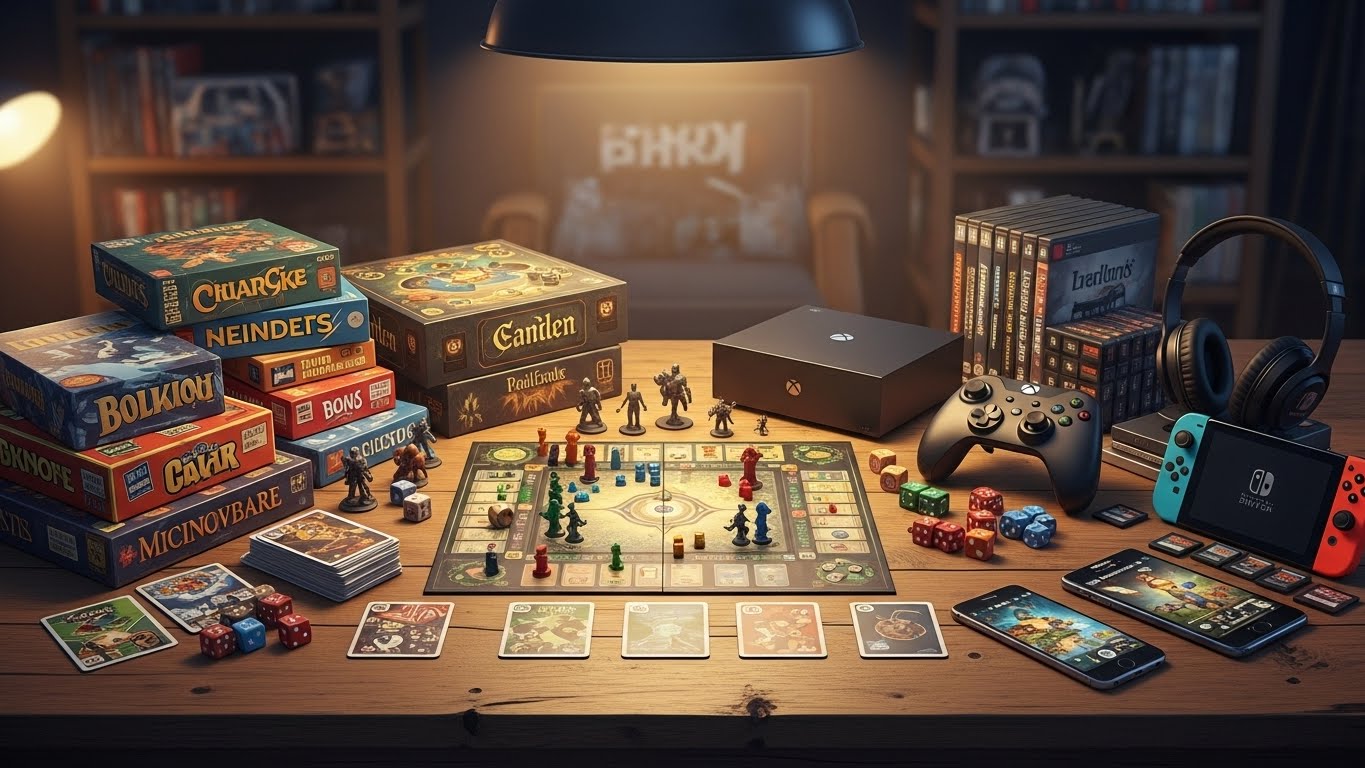

Introduction: The Endless Appeal of Games
Games have always been a fundamental part of human culture. From the earliest forms of recreation to modern digital experiences, games provide entertainment, challenge, and social connection. They are a way for people to relax, learn, and express creativity. In today’s world, games are more than a pastime—they are an industry, a cultural phenomenon, and a form of interactive storytelling. This blog explores the evolution of games, their societal impact, and how they continue to shape our lives.
The Origins of Games: Play in Ancient Civilizations
Games have existed for thousands of years. Ancient civilizations used games as a form of entertainment, education, and social interaction. Board games like Senet in Egypt and Go in China provided strategic challenges, teaching players decision-making, strategy, and patience. Physical games and sports promoted teamwork, fitness, and competition.
These early games were not only fun—they served as tools for learning and community bonding. They reflected cultural values, teaching morals, ethics, and social norms. The foundations of modern games can be traced back to these simple yet meaningful forms of play.
The Evolution of Traditional Games
Traditional games continued to develop throughout history. Card games, dice games, and tabletop role-playing games became popular across different societies. Chess, for instance, emerged as a test of strategy and foresight, while other games emphasized luck, skill, or physical coordination.
These games laid the groundwork for competitive play, cooperative problem-solving, and recreational entertainment. They demonstrated that games could be more than simple amusement—they could challenge the mind, build social bonds, and provide lifelong enjoyment.
The Rise of Digital Games
The digital revolution transformed games forever. The introduction of personal computers and gaming consoles allowed developers to create immersive experiences that could not exist in the physical world. Early arcade games like Pong and Space Invaders captivated audiences and inspired generations of players.
As technology advanced, video games became more complex and sophisticated. Adventure games, simulation games, and role-playing games allowed players to explore vast worlds, engage in intricate storytelling, and test their skills in new ways. The rise of multiplayer online games connected players across the globe, creating communities and competitive environments.
Why Games Are So Popular
Modern games appeal to people of all ages and backgrounds. One reason for their popularity is interactivity. Unlike movies or books, games allow players to make decisions that impact outcomes. This sense of agency creates engagement and investment in the experience.
Games also provide clear goals and rewards. Progression systems, achievements, and challenges give players a sense of accomplishment. They encourage problem-solving, creativity, and perseverance. Moreover, games offer a social aspect, connecting friends and strangers alike in collaborative or competitive play.
Storytelling in Games
One of the most compelling aspects of games is their ability to tell stories. Narrative-driven games immerse players in worlds filled with complex characters, conflicts, and quests. Players are not just spectators—they actively influence the storyline through their choices and actions.
Role-playing games and adventure games excel in this area, offering moral dilemmas, branching storylines, and emotional depth. Interactive storytelling makes games a unique medium that combines art, technology, and creativity. Players become participants in the narrative, creating personal and memorable experiences.
Creativity and Game Design
Game development is a blend of artistry, technology, and psychology. Designers create rules, challenges, and worlds that engage players. Artists craft visuals, environments, and characters, while composers and sound designers provide immersive audio experiences. Programmers and engineers bring the game mechanics to life.
Creativity in games extends beyond development. Many games allow players to design levels, create mods, or customize characters, fostering imagination and self-expression. The collaborative and creative nature of games ensures that the medium remains dynamic and innovative.
Multiplayer Gaming and Social Interaction
Multiplayer games have revolutionized how people interact with each other. Online platforms connect players globally, enabling cooperative missions, competitive matches, and social interactions. Games like strategy-based titles, battle arenas, and team-based shooters encourage communication, coordination, and teamwork.
These communities often extend beyond the game itself. Players share strategies, create fan content, and form social bonds. Multiplayer games create spaces for collaboration, competition, and connection, making gaming a social as well as recreational experience.
Mobile Gaming: Gaming on the Go
Mobile gaming has expanded access to games exponentially. Smartphones and tablets allow anyone to play anytime, anywhere. Casual games offer short, accessible entertainment, while complex mobile titles rival console and PC experiences in depth and quality.
Mobile gaming introduces innovative features like touch controls, location-based gameplay, and social integration. This accessibility has broadened the gaming audience, making gaming a truly global phenomenon. Mobile platforms also enable cross-platform play, connecting players across devices and regions.
Competitive Gaming and Esports
Esports has transformed games into professional competitions. Skilled players participate in tournaments that attract millions of viewers worldwide. Competitive gaming requires strategy, coordination, reflexes, and teamwork.
Esports has created professional careers, including players, coaches, analysts, commentators, and content creators. Large-scale tournaments have become cultural events, drawing international attention and showcasing gaming as a serious and respected form of competition.
Cognitive and Social Benefits of Games
Games provide more than entertainment; they can enhance cognitive and social skills. Strategy and puzzle games improve critical thinking, planning, and problem-solving. Simulation games teach resource management and decision-making. Multiplayer games encourage communication, teamwork, and leadership.
Games also foster resilience. Players learn to navigate challenges, cope with setbacks, and experiment with new strategies. These skills often translate into real-life benefits, demonstrating that gaming can be both fun and educational.
The Economic Impact of Gaming
The gaming industry is a major economic force. It generates billions of dollars annually through game sales, in-game purchases, merchandise, streaming, and esports events. The industry provides employment across diverse roles, including programming, design, marketing, production, and event management.
Gaming also stimulates technology development, tourism, and creative industries. Events, conventions, and tournaments boost local economies, highlighting gaming’s broader cultural and economic impact.
The Future of Gaming
The future of games promises even more immersive and interactive experiences. Advances in virtual reality, augmented reality, artificial intelligence, and cloud gaming will redefine how players engage with games. These technologies will remove hardware barriers, increase accessibility, and enable new gameplay mechanics.
Games will continue to evolve as a medium for storytelling, social interaction, and creative expression. Developers are exploring adaptive narratives, procedural content, and cross-platform play, creating experiences that are more dynamic and personalized than ever before.
Conclusion: Games as a Cultural and Creative Force
Games are more than a pastime; they are a global cultural phenomenon. They entertain, educate, connect people, and inspire creativity. From ancient board games to immersive digital worlds, gaming has continually evolved to reflect human ingenuity, curiosity, and social connection.
Modern games offer interactive storytelling, competitive opportunities, social engagement, and personal expression. They foster communities, develop skills, and provide endless entertainment. As technology advances, games will continue to shape culture, inspire creativity, and bring people together in ways that were unimaginable just a few decades ago.