
Introduction: Games as a Universal Experience
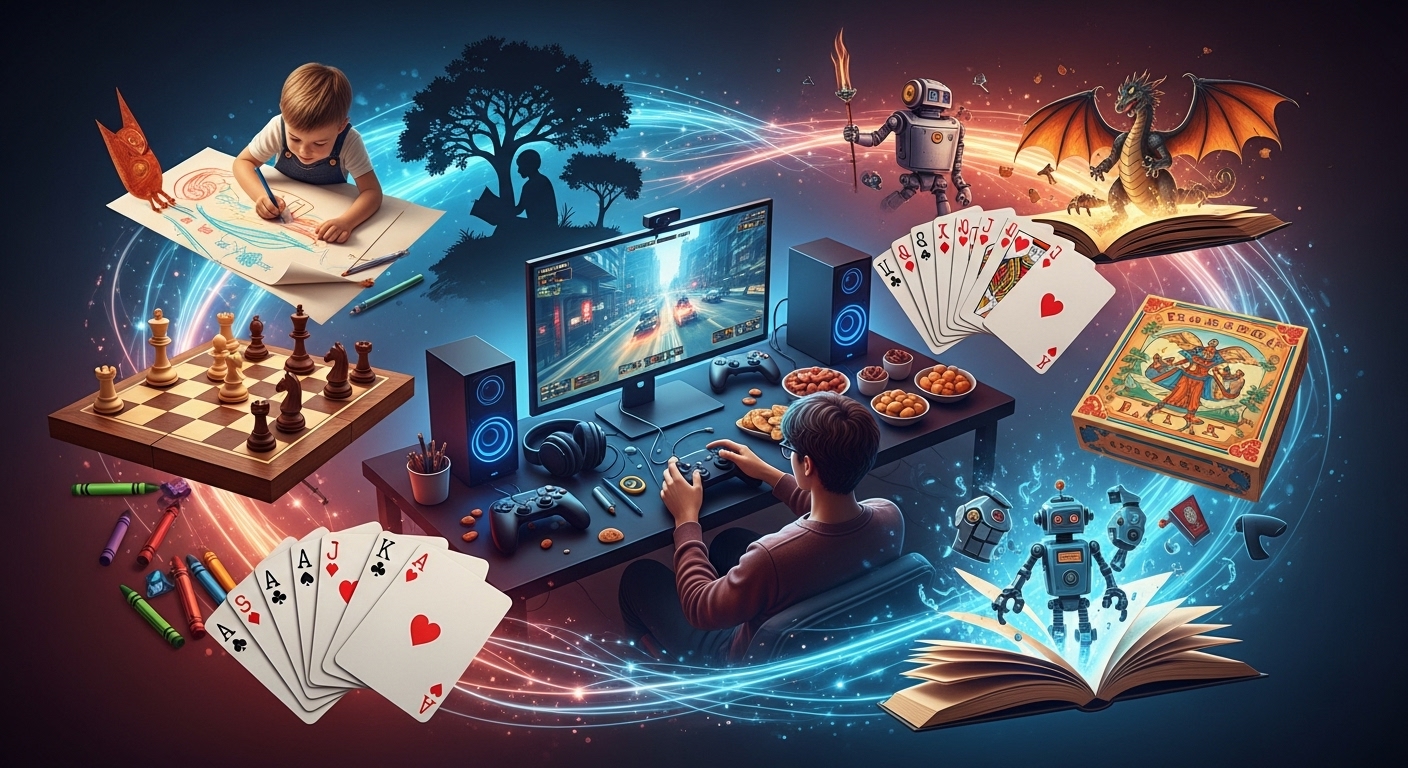
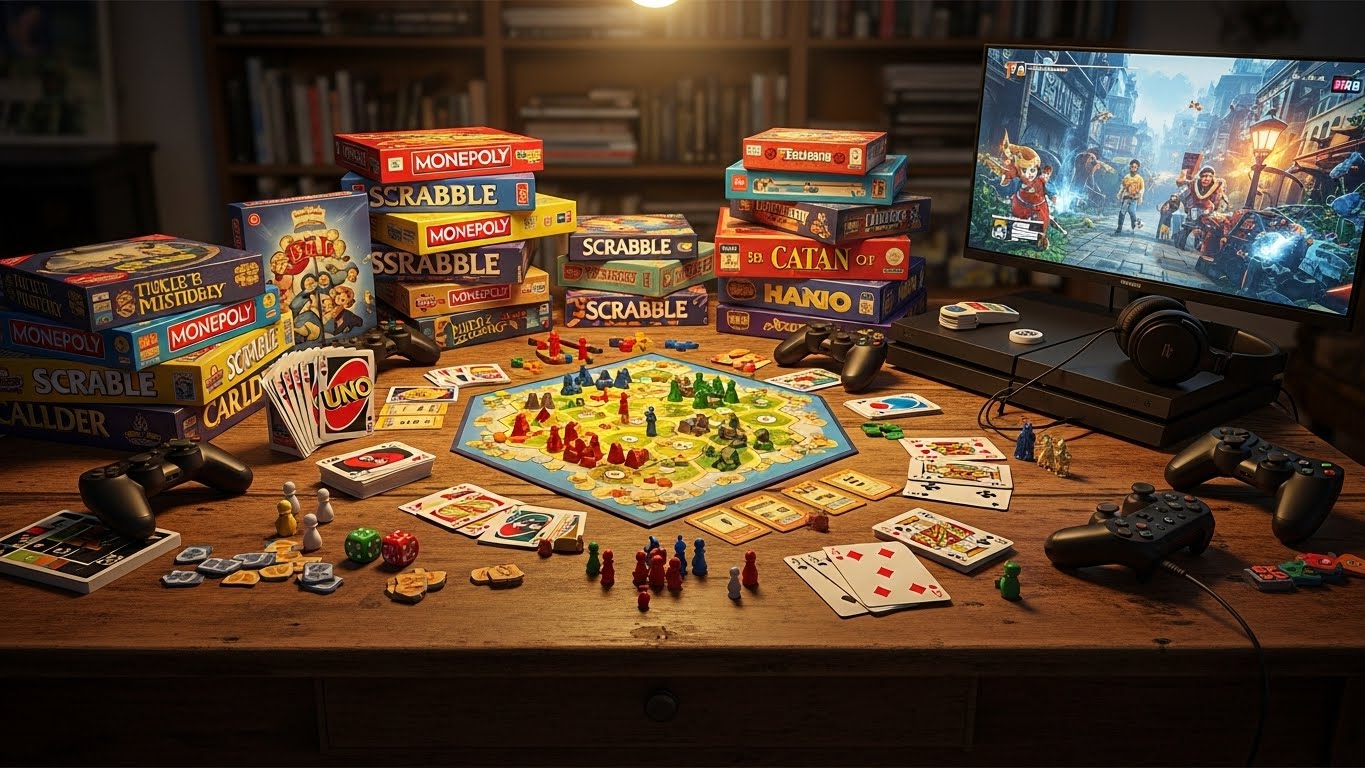
Games have been an integral part of human society for centuries. They entertain, challenge, and connect people of all ages and backgrounds. From traditional board games to modern digital experiences, games provide a unique combination of fun, strategy, and social interaction.
Beyond mere pastime, games influence culture, education, and even personal development. They teach problem-solving, creativity, teamwork, and resilience. In this blog, we explore the evolution of games, their cultural impact, and the modern trends shaping how we play today.
The Origins of Games
The history of games dates back thousands of years. Ancient civilizations like Egypt, Mesopotamia, and China developed early board games, puzzles, and recreational activities. Games like Senet in Egypt and Go in China were not only sources of entertainment but also tools for social interaction and strategic thinking.
These early games often reflected societal values, teaching players about strategy, competition, and cooperation. The human inclination for play has endured across centuries, evolving with technology, culture, and innovation.
Traditional Games and Their Cultural Significance
Traditional games remain a vital part of cultural heritage. Board games such as chess, checkers, and backgammon have been played for centuries, honing strategic thinking and patience.
Physical games like tag, hide-and-seek, and sports foster community engagement and physical fitness. Cultural games reflect local customs, traditions, and values, passing knowledge and social skills from one generation to the next. They create shared memories, strengthen bonds, and provide insights into the societies that created them.
The Rise of Video Games
The 20th century introduced video games, revolutionizing entertainment. Early arcade games like Pong and Space Invaders captured public imagination, creating new forms of interactive play. Home consoles brought gaming into living rooms, popularizing titles such as Super Mario Bros. and Pac-Man.
Video games transformed storytelling by allowing players to actively participate in narratives. They combined visuals, sound, and mechanics to create immersive experiences. Over time, games evolved into complex worlds, offering challenges, exploration, and creative freedom that traditional games could not provide.
Game Genres and Their Appeal
Modern games come in diverse genres, catering to different preferences and play styles.
Action and Adventure Games
Action and adventure games challenge reflexes, timing, and strategic thinking. Titles like The Legend of Zelda and Tomb Raider combine exploration, problem-solving, and storytelling for engaging experiences.
Puzzle and Strategy Games
Puzzle games such as Tetris and Sudoku enhance logic, critical thinking, and spatial awareness. Strategy games like Age of Empires and StarCraft encourage planning, resource management, and foresight.
Simulation Games
Simulation games like The Sims and Cities: Skylines allow players to create and manage virtual worlds. These games promote creativity, problem-solving, and long-term planning.
Sports and Racing Games
Sports and racing titles like FIFA, NBA 2K, and Gran Turismo simulate real-world experiences, offering competitive and recreational play. They combine skill, strategy, and entertainment in accessible formats.
Role-Playing Games (RPGs)
RPGs like Final Fantasy and Skyrim emphasize character development, exploration, and narrative choice. Players become active participants in immersive worlds, shaping outcomes and experiences through decision-making.
Games as a Social Experience
Games foster social interaction and community building. Multiplayer games enable cooperation, competition, and communication across the globe. Board games and tabletop RPGs encourage face-to-face collaboration, teamwork, and strategic thinking.
Online communities provide spaces to share experiences, strategies, and creative content. Gaming can strengthen friendships, create shared memories, and even serve as a platform for learning and collaboration in educational and professional settings.
The Educational Potential of Games
Games offer more than entertainment—they can be powerful educational tools. Puzzle and strategy games develop critical thinking and problem-solving skills. Simulation and role-playing games teach real-world concepts such as economics, management, and history.
Gamification in learning integrates game mechanics into education, increasing engagement and motivation. By combining fun and learning, games create dynamic environments where players develop cognitive, social, and emotional skills.
The Evolution of Competitive Gaming
Competitive gaming, or esports, has turned games into professional arenas. Tournaments for games like League of Legends, Dota 2, and Fortnite attract massive audiences and substantial prize pools. Players train rigorously, often dedicating their lives to mastering complex mechanics and strategies.
Esports has created career opportunities, not only for players but also for coaches, analysts, broadcasters, and event organizers. Competitive gaming has elevated games from casual play to a legitimate profession with global influence.
Games and Technology
Technology drives the evolution of gaming. High-performance graphics, realistic physics, and immersive audio create more engaging experiences. Virtual reality (VR) and augmented reality (AR) blur the line between digital and physical worlds, offering players new dimensions of interaction.
Cloud gaming enables play on multiple devices without high-end hardware. Mobile technology allows gaming on-the-go, reaching a broader audience. Technology continues to expand what games can offer, making them more interactive, accessible, and immersive than ever before.
The Cultural Impact of Games
Games have become a powerful cultural force. Iconic characters, franchises, and stories influence movies, fashion, music, and art. Cosplay, fan art, and conventions demonstrate how deeply games inspire creativity and cultural expression.
Games also explore complex narratives and themes, addressing social issues, morality, and human behavior. By reflecting society, encouraging empathy, and inspiring imagination, games have become an influential medium beyond entertainment.
Challenges in the Gaming Industry
Despite its growth, the gaming industry faces challenges. Online toxicity, cyberbullying, and addictive behaviors can affect players’ well-being. Developers are implementing systems to encourage positive communities and responsible play.
Intellectual property protection, over-commercialization, and access inequality are other concerns. Addressing these challenges ensures games remain inclusive, ethical, and sustainable as both an entertainment medium and a cultural force.
The Future of Games
The future of games promises continued innovation. Emerging technologies such as AI, VR, AR, and procedural generation will enhance immersion, personalization, and interactivity. Games may increasingly integrate with education, fitness, and social platforms, blending entertainment with practical applications.
Cross-platform play, global online communities, and adaptive technologies will expand access and connectivity. The lines between games, social media, and real-life experiences will continue to blur, making gaming an integral part of modern culture.
Conclusion: Games as a Reflection of Humanity
Games are more than just entertainment—they reflect human creativity, strategy, and social connection. They challenge minds, foster collaboration, and inspire imagination across generations. From traditional board games to digital masterpieces, games unite people, teach valuable skills, and shape cultural experiences.
As technology and society evolve, games will continue to adapt, innovate, and inspire. They remain a universal language of play, imagination, and community, proving that the power of games extends far beyond winning or losing.