
Introduction: The Endless Universe of Games
Games have been an integral part of human civilization for centuries. From the ancient strategy of chess to modern-day virtual reality adventures, games are not just a source of entertainment—they are a medium through which people learn, socialize, and challenge themselves. The gaming industry today is a multi-billion-dollar enterprise, continuously innovating to offer new experiences to players across the globe. In this blog, we explore the diverse world of games, the evolution of gaming culture, and why games hold a unique place in our lives.
The Evolution of Gaming: From Traditional to Digital
Games have evolved remarkably over time. In ancient times, people played simple board games and physical sports that required strategy, skill, and social interaction. Games like Mancala, Go, and Chess have existed for thousands of years, proving that human fascination with games is timeless.
With the advent of technology, gaming took a significant turn. Video games emerged, first on arcade machines and later on home consoles. The introduction of computers and smartphones further revolutionized the industry, making games more interactive, accessible, and immersive than ever before. Today, gaming is not limited by geography or age; people of all backgrounds can engage in a vast array of gaming experiences, from casual mobile games to competitive e-sports.
Types of Games: A World of Diversity
Games come in a wide variety of forms, each offering unique experiences to players. Understanding the different types of games can help us appreciate the creativity and complexity behind this art form.
1. Board Games:
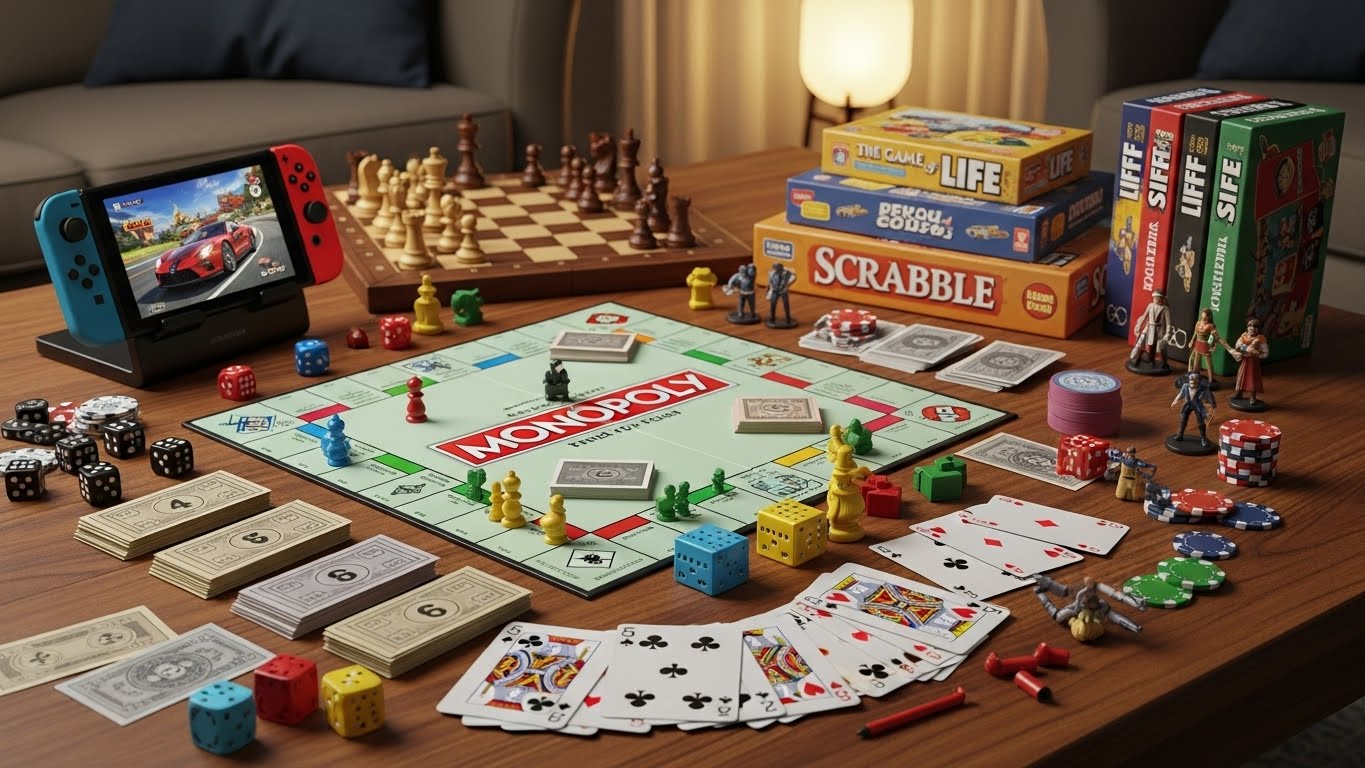
Board games are among the oldest forms of gaming and continue to hold a special place in the hearts of many. Games like Monopoly, Risk, and Settlers of Catan combine strategy, luck, and social interaction. Modern board games have evolved to include complex storylines, cooperative gameplay, and innovative mechanics that make them engaging for both casual and hardcore players.
2. Video Games:
Video games are perhaps the most popular form of gaming today. They can range from simple puzzle games to massive open-world adventures with intricate narratives. Genres such as action, adventure, role-playing, simulation, and sports cater to diverse interests. Video games offer immersive experiences, allowing players to explore fictional worlds, solve challenging problems, and interact with others online.
3. Mobile Games:
The rise of smartphones has made gaming more accessible than ever. Mobile games are designed for short bursts of play, making them ideal for commuting, waiting in line, or relaxing at home. Games like puzzle challenges, strategy simulations, and casual social games have millions of active users worldwide. The mobile platform has also introduced innovative game mechanics that leverage touchscreens, motion sensors, and augmented reality.
4. Role-Playing Games (RPGs):
Role-playing games allow players to step into the shoes of a character, make decisions that influence the storyline, and explore richly designed worlds. RPGs can be single-player adventures or multiplayer experiences where cooperation and strategy are key. These games often emphasize storytelling, character development, and player choice, creating a deeply immersive experience that goes beyond simple gameplay.
5. Sports and Physical Games:
Not all games are digital. Traditional sports such as soccer, basketball, and tennis encourage physical activity, teamwork, and competition. Physical games are essential for developing coordination, fitness, and social skills. They also provide a sense of community and belonging, as people come together to play, watch, and support their favorite teams.
The Psychology Behind Gaming
Games are more than just a pastime; they have significant psychological benefits. Engaging in games can improve cognitive skills such as problem-solving, memory, and strategic thinking. Puzzle games, for example, challenge the brain to recognize patterns and think creatively, enhancing mental agility.
Moreover, games provide a sense of accomplishment and motivation. Achieving milestones, completing challenges, and progressing through levels activate the brain’s reward system, releasing dopamine and creating a feeling of satisfaction. Multiplayer games also foster social interaction, teamwork, and communication skills, as players collaborate or compete with others worldwide.
The Impact of Gaming Culture
Gaming culture has grown into a global phenomenon, influencing entertainment, education, and even social activism. Communities of gamers form online and offline, sharing experiences, tips, and fan art. Competitive gaming, or e-sports, has turned gaming into a spectator sport, with professional players and teams earning recognition and substantial incomes.
The cultural impact of games extends to storytelling, art, and music. Many games feature compelling narratives and cinematic experiences comparable to movies, while others showcase intricate art design and memorable soundtracks. Games have become a platform for expression, creativity, and innovation.
Educational and Therapeutic Games
Beyond entertainment, games are increasingly used for education and therapy. Educational games can make learning fun and interactive, helping students grasp complex concepts through simulation and practice. Subjects like mathematics, science, history, and language can be taught effectively through well-designed games.
Therapeutic games, on the other hand, help in mental health and rehabilitation. Games designed for stress reduction, cognitive therapy, or physical rehabilitation engage users while supporting their well-being. This integration of gaming into practical applications demonstrates the versatility and potential of games in modern society.
The Future of Gaming
The future of gaming looks exciting and full of possibilities. Advancements in virtual reality, augmented reality, and artificial intelligence are pushing the boundaries of what games can achieve. VR and AR provide immersive experiences that blend digital worlds with real-life environments, allowing players to interact with games in unprecedented ways.
Artificial intelligence is also enhancing game design and gameplay. Adaptive AI can create more challenging and dynamic experiences, personalizing the game to suit each player’s style. The integration of AI in games promises smarter NPCs, more realistic environments, and innovative storytelling techniques.
Additionally, cloud gaming is revolutionizing accessibility, allowing players to stream high-quality games without expensive hardware. This technology will make gaming more inclusive, reaching audiences who previously could not afford high-end consoles or PCs.
Conclusion: Games as a Universal Language
Games are much more than a way to pass the time. They are a reflection of human creativity, innovation, and social connection. From ancient board games to modern VR adventures, games continue to evolve, providing entertainment, education, and personal growth opportunities.
In a world that is increasingly fast-paced and digital, games offer a unique space where imagination, strategy, and collaboration intersect. They bring people together, challenge the mind, and inspire creativity. Whether you are a casual gamer or a competitive player, the world of games offers something for everyone. By understanding and appreciating the depth and diversity of games, we can truly see why they hold a special place in human culture.